
Vandaag of morgen in huis

Kwaliteit gegarandeerd

Welkomstaanbiedingen ontgrendelen: GRATIS bezorging | Tot 80% korting | Gratis 30 dagen JoyPlus-proefperiode
Download de app
A tub of whey protein powder may seem simple to choose at first glance. However, protein products vary considerably in their protein source, nutritional value, allergens, serving size and ease of use. A low price per tub also says little if you need a lot of powder for one serving or quickly tire of the flavour.
For adults who exercise, are working to maintain muscle or want to increase their daily protein intake, making the right choice is mainly about checking the specifications on the label. Pay particular attention to three common pitfalls.
A high percentage sounds appealing, but always compare the nutritional value per serving. A product may contain a lot of protein per 100 grams, while the recommended scoop is smaller or larger than that of another variant. Therefore, check:
A protein powder with little sugar is not automatically suitable for everyone. Flavourings, sweeteners and the overall nutritional value remain relevant.
Whey concentrate, whey isolate and hydrolysed whey are different raw materials. Whey isolate generally contains a higher proportion of protein and often fewer carbohydrates and less fat than concentrate. This makes it a possible choice for consumers who want to keep their shake as lean as possible.
A blend may be practical if you are looking for different forms of whey in one product. However, check the ingredients list and do not look only at the front of the packaging.
Most whey products contain milk. Some also contain soya, for example as lecithin to help the powder mix more easily. You should check “gluten-free” or “soya-free” on the current label, rather than relying solely on product images.
A coffee-flavoured variant may also contain caffeine. Applied Nutrition Critical Whey Caramel Latte, for example, lists 100 mg of caffeine per 33-gram serving. According to the product information, this variant is not recommended for children or pregnant women.
Whey protein comes from milk and is often used as a protein shake after exercise or as a supplement between meals. If you want to avoid milk and soya, you could consider beef protein. According to the product description, Applied Nutrition Beef-XP uses beef protein isolate and lists no allergens in the ingredients. The product is also described as dairy-free and gluten-free. If you have allergies, always check the packaging and warnings.
Casein protein is often chosen for times when you will not be eating for a longer period. The product information for Optimum Nutrition Gold Standard Casein describes micellar casein as slow-digesting and mentions using it before bed or during a longer gap between meals. According to the same information, the product contains milk and may contain traces of soya, cereals containing gluten, egg, nuts and peanuts.
Compare products on a like-for-like basis. Some examples from the range include:
These values come from the supplied product information and may vary by flavour or pack size. Therefore, check the current label before buying.
A powder that mixes easily is more convenient for everyday use. Pay attention to the recommended amount of liquid. Some products use 180–240 ml of water, while others recommend 300–400 ml. This affects the thickness and flavour of your protein shake.
A small pack or sachet can be useful for trying a flavour first. For frequent use, a larger bag or tub may offer better value, but calculate the price per serving. This helps you avoid leaving a large, supposedly good-value pack unused because you do not like the flavour.
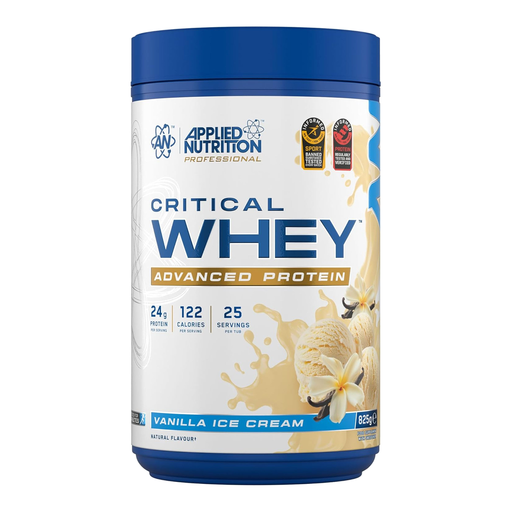
Why it suits this profile: The combination of whey concentrate, whey isolate and hydrolysed whey provides a practical starting point for anyone using protein powder for the first time. According to the product information, a 30-gram serving provides approximately 20 grams of protein.
The product description clearly states the serving size and protein contribution. Check the exact nutritional values for each flavour on the label.
Naturally contains BCAAs; suitable for mixing with water and, according to the product information, easy to prepare.

Why it suits this profile: This whey isolate variant is intended for active adults looking for a high protein content with little sugar and fat. According to the product specifications, a 31-gram serving contains 25 grams of protein.
The composition is easy to understand: whey protein isolate, soya lecithin, flavouring and sweetener. This allows you to compare the label directly with other formulas.
25 grams of protein per serving; according to the product information, less than 1 gram of carbohydrates and less than 0.5 grams of sugar and fat per serving.
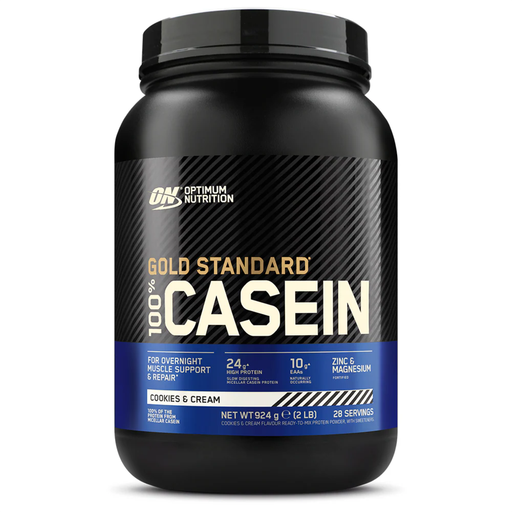
Why it suits this profile: Casein suits users looking for a protein source for longer periods without a meal, such as before bed or on busy days.
The intended use is clearly described. However, check the allergens, as the product information lists milk and possible traces of several allergens.
924 grams of content and approximately 28 servings; according to the product information, contains 24 grams of protein and around 5 grams of BCAAs per serving.
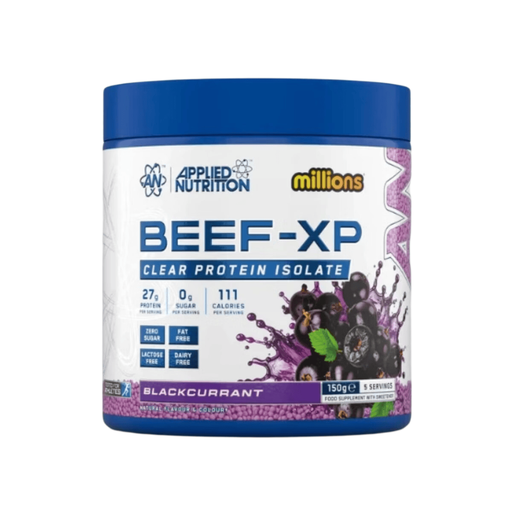
Why it suits this profile: This beef protein is aimed at adults who want to avoid whey or soya while still looking for an animal-based protein source.
The protein source is clearly listed as beef protein isolate. The small pack makes it possible to try the flavour and mixability first.
According to the product information, 27.2 grams of protein per 30-gram serving, with less than 0.1 grams of sugar.
A protein shake is a supplement, not a replacement for a varied diet. Use the powder when it is convenient, for example as protein powder after exercise, at breakfast or as a snack on a busy working day. Timing is less important than your total daily protein intake and your usual meals.
Always follow the dosage on the label. Mix the powder with the recommended amount of water or milk. Using milk increases the nutritional value of the prepared shake. Keep the packaging closed, dry and out of direct sunlight. Stop using the product if you experience any unwanted reactions.
If you have a known allergy, are pregnant or breastfeeding, take medication or have a medical condition, it is advisable to consult a doctor or other healthcare professional beforehand. This text is not a substitute for personalised nutritional advice.
We have put together a complete, up-to-date list of products that fully meet these strict selection criteria and the applicable European safety regulations.
Check the best-before date and batch number on the packaging. Once opened, the quality remains most stable when you store the powder in a cool, dry place and keep it tightly sealed. An unusual smell, flavour or texture is a reason to stop using the product.
According to many product labels, whey isolate contains relatively little carbohydrate and sugar, but the exact amount varies by brand and flavour. Therefore, check the nutrition table. Flavourings, sweeteners and possible milk or soya allergens are also listed in the ingredients.
Whey and other complete protein sources naturally contain BCAAs, including leucine, isoleucine and valine. Various product descriptions in this range list these amino acids as part of the protein profile. A separate BCAA supplement is therefore not automatically necessary; first compare your overall diet with the composition of your chosen protein powder.
