
Vandaag of morgen in huis

Kwaliteit gegarandeerd

Welkomstaanbiedingen ontgrendelen: GRATIS bezorging | Tot 80% korting | Gratis 30 dagen JoyPlus-proefperiode
Download de app
Anyone who exercises regularly knows the problem: there is a huge range of whey protein powder, and packaging is filled with terms such as isolate, hydrolysate, BCAAs and “rapid absorption”. However, a striking marketing claim does not automatically mean that a product suits your diet. The right choice mainly depends on your protein requirements, calorie intake, flavour preferences and tolerance of certain ingredients.
A 30-gram scoop containing 25 grams of protein sounds appealing, but also check protein per 100 grams. This shows how much of the product is actually protein. Also pay attention to calories, carbohydrates, fat and sugars.
A weight gainer works differently from standard whey protein. According to the product information, a product such as Serious Mass contains approximately 50 grams of protein, 250 grams of carbohydrates and around 1,269 to 1,292 kcal per serving. This can be practical for someone with high calorie requirements, but unnecessary for someone simply looking for extra protein after exercise.
Whey protein isolate generally contains less lactose and fewer other components than whey protein concentrate, but that does not automatically mean it is lactose-free. Milk-based products may still be unsuitable for anyone with a milk allergy or sensitivity.
So always check the current ingredients list and allergen information on the packaging. The products mentioned contain milk and, in some cases, soya. According to the product description, Applied Nutrition Critical Whey contains milk and soya; Ghost Whey contains milk and lists lactase, but the presence of lactase does not make the product suitable for everyone with lactose intolerance.
A two-kilogram bag may seem good value per serving, but a flavour you dislike can sit in the cupboard for a long time. For new users, a smaller pack, sachet or bundle containing several flavours may be a wiser starting point. A shaker is also useful, but check that it is suitable for cold drinks and that the lid seals securely.
Do not treat the term “rapid absorption” as the deciding factor when making a purchase. Look at the full nutritional table and how easy the product is to use first.
Compare packs based on price per 25 grams of protein, rather than just their total weight. According to the product details, a 780-gram tub of Optimum Nutrition Gold Standard contains approximately 26 servings of 30 grams. Ghost Whey contains approximately 28 servings of 32 grams in a 907-gram pack. The 2-kilogram Applied Nutrition Critical Professional Whey provides around 67 servings of 30 grams.
Also check the recommended amount of liquid. A standard protein shake is often mixed with approximately 180 to 400 ml of water. According to the product information, Ghost Clear Whey uses approximately 475 ml of water. This difference affects the flavour, foaming and practicality when you are on the go.
For protein powder for muscle building or muscle maintenance, a standard whey shake is usually sufficient when your overall diet already provides enough calories. Depending on the variant, a serving of Optimum Nutrition Gold Standard contains approximately 111 to 119 kcal and around 24 grams of protein.
A mass gainer is primarily designed for weight gain and provides much more energy and carbohydrate per serving. So do not automatically use one simply because you do strength training. First establish whether you genuinely need extra calories and, if necessary, start with a smaller amount than the full serving.
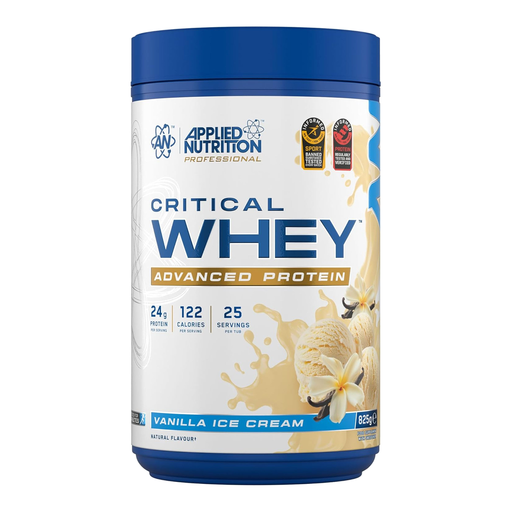
Why it suits this profile: The 825-gram pack is a manageable option for anyone buying protein powder for the first time. According to the product information, a 30-gram serving provides approximately 20 grams of protein.
The nutritional values are listed per 30 grams, making it easy to compare protein, calories and carbohydrates.
A combination of whey concentrate, isolate and hydrolysed whey protein; suitable for mixing with water.

Why it suits this profile: This isolate formula is designed for adults who want to include a high-protein shake with little carbohydrate and fat in their daily routine.
The product details list 25 grams of protein, less than 1 gram of carbohydrate and less than 0.5 grams of fat per 31-gram serving.
31 servings per pack; whey protein isolate is the only listed protein source.
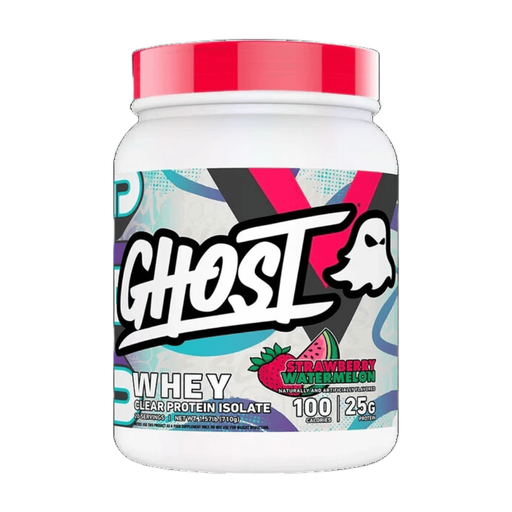
Why it suits this profile: Clear whey is ideal for sportspeople who prefer a light, fruity protein shake rather than a creamy protein drink.
The product information clearly states approximately 100 kcal, 25 grams of protein and 0 grams of sugar per serving.
Whey isolate as the base; free from soya and gluten according to the product details; 20 servings.
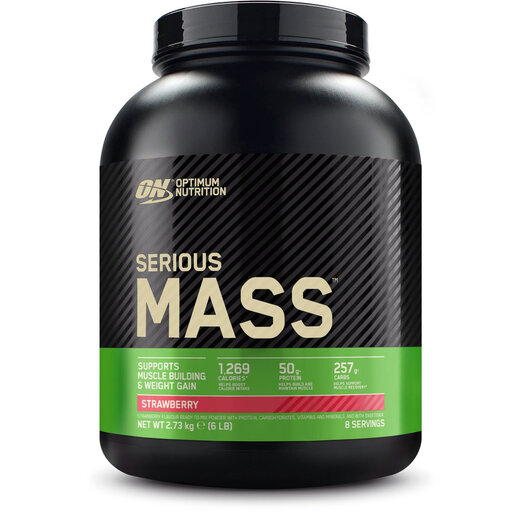
Why it suits this profile: This weight gainer is designed for adults who want to add plenty of extra calories and carbohydrates as well as protein.
The very large serving size and high energy value are clearly stated, so you will not accidentally use it as a standard whey shake.
50 grams of protein and 250 grams of carbohydrates per stated serving; 2.73-kilogram pack with 9 servings.
We have put together a complete, up-to-date list of products that fully meet these strict selection criteria and the applicable European safety regulations.
A protein shake is a supplement to your daily diet, not a replacement for a varied eating pattern. Mix the amount stated on the label with water, milk or another suitable drink. Using milk increases the calories and nutritional values of the prepared drink.
You can use protein after exercise, but the exact timing matters less than your total protein intake throughout the day. A shake can also work well at breakfast, as a snack or after a busy working day. Consider your own nutritional goals and follow the recommended daily amount on the label.
Take extra care with caffeine-containing variants. Applied Nutrition Critical Whey Caramel Latte in a 2-kilogram pack lists 100 mg of caffeine per serving. This is a different product profile from a standard vanilla or chocolate shake.
Not necessarily. According to product formulas, isolate often contains more protein and less fat and carbohydrate, while concentrate is sufficient for many users. Choose based on nutritional values, price, flavour and allergen information.
Check the best-before date and store the pack in a cool, dry place, tightly sealed. Moisture can cause clumping. Do not use a product if the seal is damaged or if its smell, colour or taste has clearly changed.
The price depends on the brand, pack size, protein percentage and number of servings. Calculate the price per serving and per 25 grams of protein. A large pack may appear better value, but a smaller pack reduces the risk of being left with a flavour you do not like.
