
Vandaag of morgen in huis

Kwaliteit gegarandeerd

Welkomstaanbiedingen ontgrendelen: GRATIS bezorging | Tot 80% korting | Gratis 30 dagen JoyPlus-proefperiode
Download de app
A tub of whey protein powder may seem easy to compare at first glance. Yet many sports enthusiasts end up paying mainly for a familiar flavour, eye-catching packaging or a long list of ingredients. The real differences are often found in the protein content per serving, the type of whey protein, the number of servings and the amount of sugar, fat or caffeine.
This buying guide helps adult sports enthusiasts, fitness fans and active people assess marketing claims more effectively. That way, you can choose a whey protein that suits your daily protein needs, training routine and budget.
A high protein percentage per 100 grams does not tell you everything. Also check the serving size and the number of grams of protein per scoop. A 30-gram serving with 24 grams of protein provides a different ratio from a 40-gram serving with 25 grams of protein.
Also compare calories, carbohydrates, sugars and fats per serving. This is particularly relevant when you use a protein shake after exercise as a supplement to a normal diet.
Whey concentrate generally contains slightly more lactose, fat and carbohydrates alongside the protein. Whey isolate undergoes further filtration and often has a higher protein content per 100 grams. Hydrolysed whey is whey protein that has been partially broken down into smaller protein chains.
None of these varieties is automatically the right choice for everyone. Consider your dietary goal, tolerance of dairy ingredients, flavour preference and price per serving. A blend of whey isolate, concentrate and hydrolysate can be practical, but always check the exact ratio on the label.
Whey naturally contains BCAAs, including leucine, isoleucine and valine. Therefore, BCAA protein powder is not automatically a better choice than a standard whey blend. First check how much total protein and how many BCAAs are already present per serving.
According to the product information, Optimum Nutrition Gold Standard Whey contains approximately 5 grams of naturally occurring BCAAs per serving. This is a verifiable product specification, not a guarantee of a particular training result.
For many users, around 20 to 25 grams of protein per serving is practical. The products in this selection, for example, range from approximately 20 to 25 grams per serving. Also consider the total weight:
For several variants of Optimum Nutrition Gold Standard 100% Whey, the listed nutrition information states approximately 24 grams of protein per serving of around 30 to 32 grams. Nutritional values may vary by flavour.
Check whether the product contains milk, soya, egg, gluten or other potential allergens. Whey comes from milk and is therefore not vegan. A product containing lactase is also not necessarily lactose-free or suitable for everyone with lactose intolerance.
Also pay attention to sweeteners and thickeners. Sucralose is found in several of the products mentioned. A coffee flavour may contain added caffeine. Applied Nutrition Critical Whey Caramel Latte, for example, lists 100 mg of caffeine per 33-gram serving. This makes the variant less suitable late in the evening or for people who want to limit their caffeine intake.
A protein shake can be used after training, but also at breakfast or as a high-protein snack. The exact timing is less important than your total daily protein intake and normal eating pattern.
Follow the instructions on the packaging. Examples from the product information include:
Milk makes a shake creamier, but it also increases the calories and nutritional values of the prepared drink.

Why it suits this profile: The 300-gram pack keeps your initial purchase small and contains a blend of whey isolate, whey concentrate and hydrolysed whey.
The nutritional information lists approximately 24 grams of protein per 32-gram serving, so you do not have to rely solely on the front of the packaging.
Approximately 119 kcal and 24 grams of protein per serving; instantised powder for preparation with water or milk.
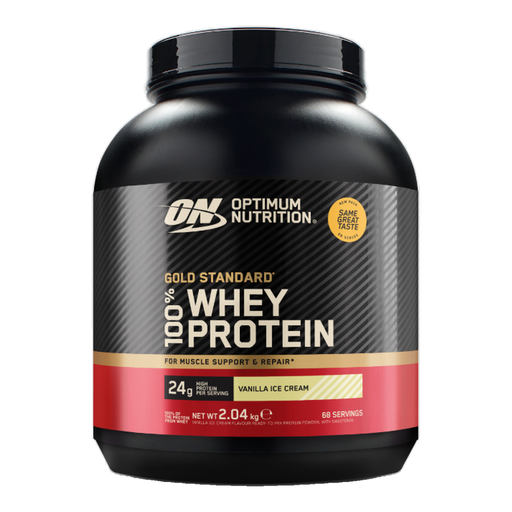
Why it suits this profile: Individual sachets are practical for sports enthusiasts who want to take portions with them without opening a large tub.
Each sachet is one serving, so you do not have to measure out the amount by guesswork.
24 grams of whey protein per sachet, fewer than 120 kcal according to the product information, and suitable for taking on the go.
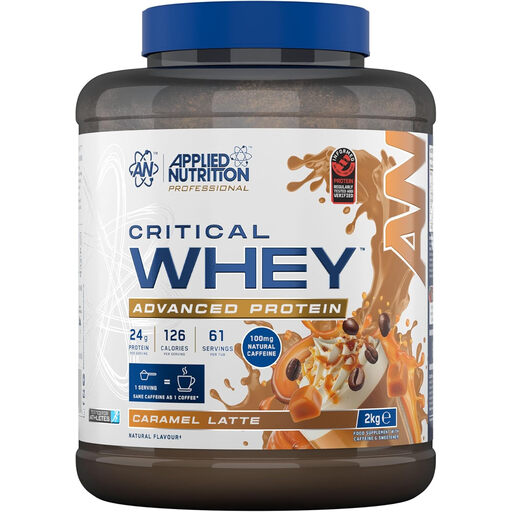
Why it suits this profile: This large pack is designed for regular use. According to the product information, the Caramel Latte variant also contains 100 mg of caffeine per serving.
The caffeine content is listed separately. This allows you to plan your use more carefully around training and later in the day.
24 grams of protein per 33-gram serving; blend of concentrate, isolate and hydrolysed whey.
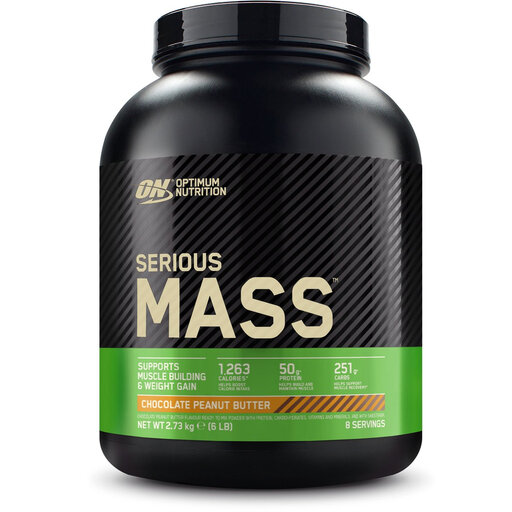
Why it suits this profile: This is a weight gainer for adults who want to add plenty of extra energy and carbohydrates to their diet alongside protein.
The number of calories, carbohydrates and protein per serving is clearly stated. This helps you avoid confusing a weight gainer with a standard protein shake.
According to the product information, approximately 50 grams of protein, 250 grams of carbohydrates and around 1,269–1,292 kcal per serving.
We have put together a complete, up-to-date list of products that fully meet these strict selection criteria and the applicable European safety regulations.
You can have a protein shake after exercise as a practical way to add extra protein to your day. It is not essential to have a shake immediately after training. Breakfast, a snack or a meal can also be suitable occasions. Follow the product’s serving instructions and take your total nutritional intake into account.
Whey isolate generally has a higher protein content per 100 grams and often contains less fat and carbohydrates. Whey concentrate may be a more affordable choice and is perfectly suitable when you do not need to focus specifically on these nutritional values. Compare the label, the price per serving and your personal tolerance of dairy ingredients.
Check the date and storage instructions on the packaging. Once opened, the powder will only remain in good condition if you store the tub in a dry, cool place, away from direct sunlight and tightly sealed. Do not use a product that smells damp, has clumped because of moisture or has clearly changed in smell or colour.
