
Vandaag of morgen in huis

Kwaliteit gegarandeerd

Welkomstaanbiedingen ontgrendelen: GRATIS bezorging | Tot 80% korting | Gratis 30 dagen JoyPlus-proefperiode
Download de app
A protein shake seems simple: powder, water, shake and you’re done. Yet many UK consumers pay too much for a product that doesn’t suit their diet. Packaging often highlights a high protein content, eye-catching flavours or added ingredients, while important information is shown in smaller print.
Look out for these three common pitfalls:
First compare the protein content per 100 g, then check the amount per serving. Many whey protein products provide around 20 to 25 g of protein per shake. For example, Applied Nutrition Critical Whey lists around 20 g of protein per 30 g serving. Optimum Nutrition Gold Standard products usually provide around 24 g per serving of approximately 30 g.
Also check:
A 300 g pack can be handy for trying a flavour. For everyday use, a bag or tub of around 780 g to 2 kg may be more practical, depending on how much you use and how much storage space you have.
Whey concentrate contains more milk components and lactose alongside the protein, and sometimes slightly more fat and carbohydrates. It’s often a practical choice for everyday use.
Whey isolate is filtered further. As a result, it usually has a higher proportion of protein and less carbohydrate and fat. That doesn’t automatically mean it’s necessary for everyone or completely lactose-free.
Hydrolysed whey is partially broken-down protein. Brands may link this to a particular rate of absorption, but don’t treat such claims as guaranteed results. Focus on the full ingredients list and nutritional information.
Some products combine all three sources. Examples include Applied Nutrition Critical Whey and various Optimum Nutrition Gold Standard varieties. Naturally occurring BCAAs, including leucine, isoleucine and valine, are part of the protein profile. So a separate BCAA protein powder isn’t automatically necessary if you already get enough complete protein.
You’re more likely to use a protein powder regularly if you enjoy its flavour and texture. Chocolate, vanilla and strawberry are popular options. Clear whey is more like a soft drink than a milky shake, so it may appeal if you don’t want a creamy drink.
Check the ingredients for:
A product containing lactase isn’t automatically suitable for everyone with lactose intolerance. If you have an allergy or intolerance, always check the current label. Product formulations, serving sizes and packaging can change.
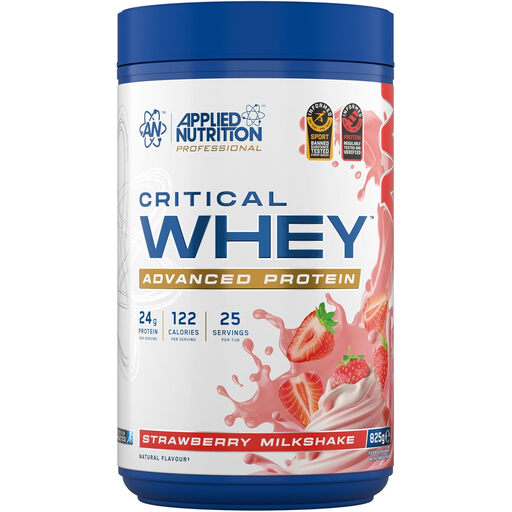
Why it suits this profile: An approachable whey blend for anyone trying protein powder for the first time and looking for a pack for regular use.
The product information lists both the serving size and protein content. This makes it easier to assess the nutritional value than relying on marketing claims alone.
825 g pack; blend of whey concentrate, whey isolate and hydrolysed whey; according to the product information, provides around 20 g of protein per serving.

Why it suits this profile: Aimed at sportspeople specifically looking for a whey isolate product with a relatively low carbohydrate and fat content.
The product page lists 25 g of protein per serving and less than 1 g of carbohydrates and fat per serving. Check the current packaging for the definitive values.
930 g and around 31 servings; whey isolate as the protein source; vanilla flavour; contains milk and soya.
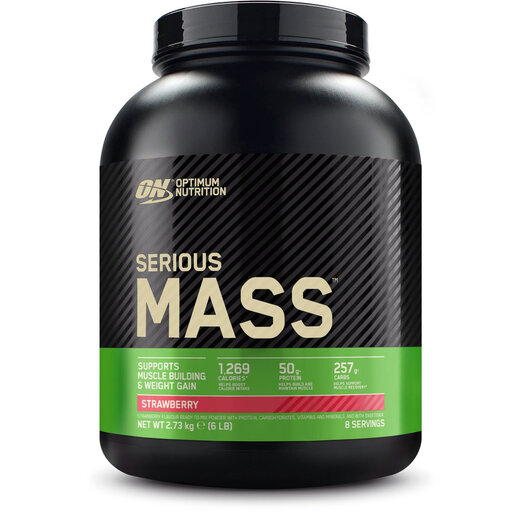
Why it suits this profile: For adults who want to deliberately add extra calories and carbohydrates to their daily diet, as well as protein.
This is clearly a weight gainer, not a standard protein shake. The product information states that a full serving contains around 50 g of protein and 250 g of carbohydrates.
2.73 kg pack; designed to support weight gain; large serving with protein and carbohydrates. Please note: according to the product information, one serving consists of around 334 g of powder.
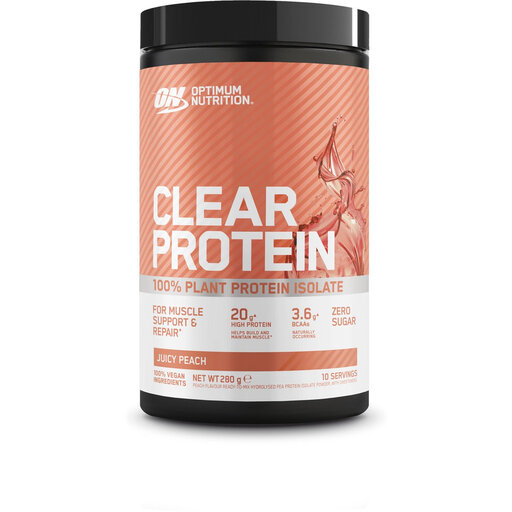
Why it suits this profile: A vegan protein powder in a light, fruity format for anyone who doesn’t want to use milk-based whey.
The product information explicitly states that it contains 100% plant-based protein, provides 20 g of protein per serving and is recommended to be mixed with 600 ml of water.
Plant-based; 20 g of protein and 3.6 g of naturally occurring BCAAs per serving; peach flavour; 280 g pack.
We’ve put together a complete, up-to-date list of products that meet these strict selection criteria and the applicable European safety regulations.
You can use a protein shake after exercise as a convenient way to supplement your daily protein intake. The exact timing matters less than your overall diet throughout the day. Always follow the serving instructions on the label, and don’t use whey protein powder as a substitute for a varied diet.
Store the powder in a cool, dry place, tightly sealed and away from direct sunlight and moisture. Check the best-before date and, after opening, look out for changes in smell, colour or texture. Always follow the current instructions on the packaging.
No. Clear whey is usually a clear drink made from whey isolate or hydrolysed whey, with a soft-drink-like consistency. Regular whey usually makes a creamier drink when mixed with water or milk. Both types may contain milk, so always check the allergen information.
