
Vandaag of morgen in huis

Kwaliteit gegarandeerd

Welkomstaanbiedingen ontgrendelen: GRATIS bezorging | Tot 80% korting | Gratis 30 dagen JoyPlus-proefperiode
Download de app
A protein shake seems simple: mix powder with water or milk, and you're done. However, products vary greatly in their formula, serving size, flavour, price per serving, and how you use them. If you only look at the front of the packaging, you might end up paying for a long list of ingredients or a large tub that contains relatively little protein.
This buying guide will help adult athletes, fitness enthusiasts and active individuals to compare whey protein powder objectively. Pay close attention to the nutritional information table, the protein source, and the amount per serving. Marketing terms like “premium”, “fast absorption” or “mass building” mean very little on their own without verifiable specifications.
Don't just compare the protein percentage on the packaging. You also need to look at the recommended serving size. For example, one product might provide 24 grams of protein per serving, while another has a larger serving size that contains more calories, carbohydrates or fat.
Therefore, you should always check:
Whey isolate is generally a more purified form of whey protein powder. Whey concentrate contains other milk components in addition to protein. Which type is right for you depends on your nutritional goals, budget, and tolerance for dairy ingredients.
A blend of whey isolate, whey concentrate and hydrolysed whey protein can be a practical option for daily use. The presence of multiple forms doesn't automatically mean the product works better for everyone. Always check the full nutritional values and the ingredients list.
A 2 kg tub might seem like a good deal, but check if you'll enjoy the flavour for a long time and how many scoops are actually in the container. For on-the-go use, individual sachets can be more convenient, even if the price per serving is higher.
You should also pay attention to allergens. Whey protein powder usually contains milk components. Some products also contain soy, egg, gluten or nuts as an ingredient or may contain traces of them. Always check the current label, especially if you have an allergy or intolerance.
The most important terms are:
Don't just go by the name on the front. Check the ingredients list to ensure the protein source mentioned is actually the first ingredient.
For a regular protein shake, most buyers focus on the protein content. According to the product information provided, the products in this selection deliver approximately 20 to 25 grams of protein per serving. The number of calories, the amount of sugar and the fat content are also relevant.
If you want to build or maintain muscle mass, you can use protein powder to supplement a varied diet. The approved EU claim states that protein contributes to the growth and maintenance of muscle mass. This doesn't mean a shake can replace meals, sleep, training or a balanced diet.
A serving of whey protein powder is usually mixed with water or milk. The recommended amount of liquid varies by brand and flavour. For its various Gold Standard products, Optimum Nutrition states approximately 180 to 240 ml of liquid per scoop. Applied Nutrition advises around 300 to 400 ml for its different Critical Whey products.
Sachets are handy for work, travel or your gym bag. A large tub is more practical if you make a protein shake at home every day. Also, check if a scoop is included and how many scoops make up one serving according to the label.

Why it fits this profile: The 300g container allows you to try out a flavour and formula without committing to a large tub straight away. According to the product information, one serving of approximately 32g provides around 24g of protein and 119 kcal.
The protein and serving values are clearly stated, so you don't have to rely solely on the product name or packaging.
A blend of whey isolate, whey concentrate and hydrolysed whey protein; instant powder for mixing with water or milk.
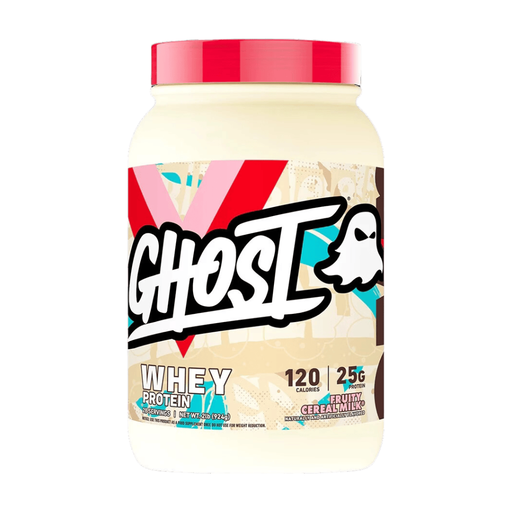
Why it fits this profile: If you're looking for a high protein content per serving, this product delivers 25g of protein in a 32g serving, according to the product information. The container provides approximately 28 servings.
The ratio of serving size to protein is clearly stated. Please note: the product contains milk components and lactase, but according to the information, it is not automatically suitable for everyone with lactose intolerance.
25g of protein per serving; contains a combination of isolate, concentrate and hydrolysed whey protein, according to the product specifications.
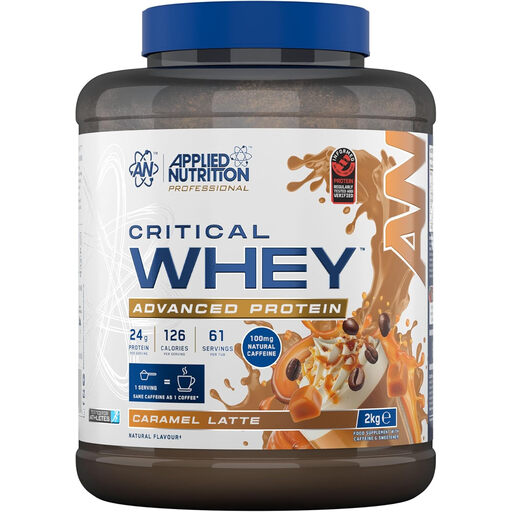
Why it fits this profile: This option is aimed at users who want a larger container and a coffee flavour. According to the product information, a 33g serving provides 24g of protein and 100 mg of caffeine.
The added caffeine is listed separately. This helps you distinguish it from caffeine-free whey protein and factor it into your total caffeine intake.
2 kg container; 24g of protein per serving; contains isolate, concentrate, hydrolysed whey protein and milk protein concentrate.
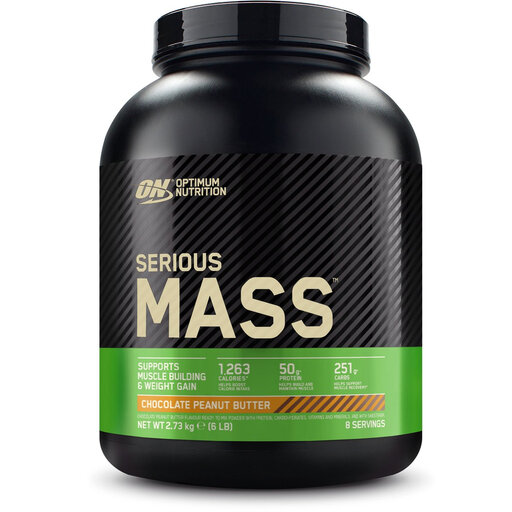
Why it fits this profile: This is a weight gainer for adults who want to add significant extra calories and carbohydrates alongside protein. According to the product information, a full serving contains approximately 50g of protein and 250g of carbohydrates.
The high calorie and carbohydrate content is clearly displayed, making it less suitable for those who are only looking for a light protein shake.
Approx. 1,269–1,292 kcal per full serving; contains whey, casein, egg albumin, maltodextrin and creatine, according to the product information.
We've put together a complete, up-to-date list of products that fully meet these strict selection criteria and comply with all applicable European safety regulations.
You can have a protein shake after a workout as a convenient way to supplement your daily protein intake. There is no universal time that is essential for everyone. The most important things to consider are your overall diet, your training schedule, and the instructions on the label.
Follow the best-before date and store the powder in a cool, dry place with the lid tightly closed. Avoid direct sunlight and moisture. Always use a dry scoop and check the product for any changes in smell, colour or texture. The exact shelf life can vary from product to product.
That depends on your priorities. If you're looking for a lower fat and carbohydrate content, you might find the nutritional information for an isolate appealing. If you mainly want an affordable daily protein shake, a whey concentrate or blend could also be a good option. Compare the price per gram of protein rather than just the price of the container.
Always check the latest ingredients, allergens, serving size and preparation instructions before you buy. Product formulas and packaging can change. Do not use food supplements as a substitute for a varied diet.
