
Vandaag of morgen in huis

Kwaliteit gegarandeerd

Welkomstaanbiedingen ontgrendelen: GRATIS bezorging | Tot 80% korting | Gratis 30 dagen JoyPlus-proefperiode
Download de app
A tub of whey protein powder might seem simple to choose: pick a flavour, check the protein content and place your order. But the most important differences often lie in the details. A larger pack may work out less cost-effective if each serving contains relatively little protein. And terms such as isolate and hydrolysed don’t automatically mean a product is right for everyone.
For adults who play sport, work out or want to increase their daily protein intake, three things matter most: the protein source, the nutritional values per serving and the overall cost per shake. Below, we explain what to look for and which options suit different needs.
A high protein percentage is useful, but it doesn’t tell the whole story. Check the serving size too. For example, a product might contain 90 grams of protein per 100 grams, but provide a 25-gram serving. Another whey product might contain 75 grams of protein per 100 grams, but provide 30 grams of protein per serving because it has a larger scoop.
So always compare:
Whey isolate generally contains a higher proportion of whey protein and often less fat and carbohydrate than whey concentrate. Hydrolysed whey protein has been partially broken down in advance. Brands sometimes present this as a major reason to choose that particular type. In practice, what matters most for many people who exercise is whether the product suits their nutritional goals, taste preferences and budget.
So don’t choose based solely on a term on the front of the pack. Check the full nutrition table and ingredients list.
Whey protein comes from milk. Products may also contain soya, gluten, egg, peanuts or nuts, or traces of these ingredients. The addition of a lactase enzyme doesn’t mean a product is completely lactose-free either.
Before buying, check:
Whey concentrate contains varying amounts of fat, carbohydrate and lactose as well as protein. It’s often a practical choice for everyday use.
Whey isolate is filtered further. Product information often shows a higher protein percentage and lower fat and carbohydrate values. This may suit people who exercise and keep close track of their macros.
Hydrolysed whey protein is made up of partially broken-down protein chains. Product descriptions may associate this with faster digestion, but you should treat such brand claims as information from the manufacturer, not as a guarantee of a particular result for you.
For a useful comparison, the amount of protein per shake matters more than the size of the tub alone. In the selection below, this ranges from around 22.5 to 30 grams of protein per serving. Also check how much powder you need to get that amount.
A product with 24 grams of whey protein per scoop can be practical for everyday use. A formula providing 30 grams per 40 grams of powder may appeal if you deliberately use a larger serving around a workout.
A 1.6 or 2.04 kg pack might seem like good value, but only if you enjoy the flavour and use the product regularly. If you’re new to whey protein, a 300 or 780 gram pack can be a way to try a flavour first. 30-gram sachets are handy for taking on the go, but are usually less suitable as a regular supply.
Always check the serving instructions on the label. Nutritional values may vary by flavour and product variant.

Why it suits this profile: The 300-gram pack lets you try a flavour and formula in a smaller size first. Each serving of around 32 grams is listed as providing 24 grams of protein.
You don’t have to buy a large supply straight away before you know whether you like the vanilla flavour and formula.
24 grams of protein per serving; compact size; whey blend with isolate, concentrate and hydrolysed whey isolate.

Why it suits this profile: This whey isolate is aimed at people who exercise and want a straightforward formula with low sugar, fat and carbohydrate values.
The product information clearly lists 25 grams of protein, less than 0.5 grams of fat and less than 0.5 grams of sugar per 31-gram serving.
25 grams of protein per shake; 31 servings; whey isolate listed as the protein source.
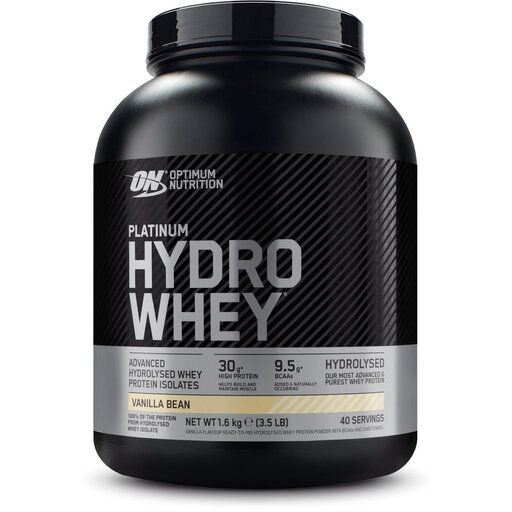
Why it suits this profile: The large pack and 40-gram serving are suited to people who exercise, regularly have a protein shake and are looking for a hydrolysed whey isolate formula.
The label lists the serving weight, around 40 servings and 30 grams of protein per serving. This helps you estimate your supply and daily intake in advance.
30 grams of protein per shake; hydrolysed whey protein isolate as the main ingredient; 1.6 kg pack with around 40 servings.
We’ve put together a complete, up-to-date list of products that meet these strict selection criteria and the applicable European safety regulations.
Mix the powder with water or milk according to the directions on the label. For the products mentioned, the recommended amount of liquid is usually around 180 to 400 millilitres, depending on the serving size and how thick you like your shake. Whey protein after exercise can be convenient, but you can also have a protein shake at another time if your daily diet doesn’t provide enough protein.
Keep the following in mind:
Under the authorised EU claim, protein contributes to the growth and maintenance of muscle mass. The effect is linked to your overall diet and training routine. Protein powder for muscle growth is therefore a supplement, not a replacement for regular strength training or a balanced diet.
Whey isolate is filtered further and, according to product labels, often contains more protein and less fat and carbohydrate. Whey concentrate generally contains more of the original milk components. Compare the nutritional values per serving, especially if you track calories, fat or carbohydrate.
Follow the best-before date on the pack and store the powder in a cool, dry place with the pack tightly sealed. Moisture, heat and direct sunlight can affect its quality. Always check the latest ingredients and allergen information on the label, as formulas and packaging can change.
