
Vandaag of morgen in huis

Kwaliteit gegarandeerd

Welkomstaanbiedingen ontgrendelen: GRATIS bezorging | Tot 80% korting | Gratis 30 dagen JoyPlus-proefperiode
Download de app
A protein shake seems simple: powder, water, shaker and you’re done. But products can vary considerably in their protein source, serving size, sugar content and price per shake. If you only look at a large pack or eye-catching terms such as “advanced formula”, you could end up paying for ingredients that don’t suit your needs.
As a Joybuy Product Recommendation Officer, I filter out the noise and focus on the key product specifications, so you can choose whey protein based on verifiable information. This guide helps adult athletes, strength trainers and active people compare whey protein powders, flavours and pack sizes.
Always check how many grams of protein there are per serving. A powder may show a high percentage per 100 g, but a large or small serving size can make it less practical. So compare:
A 30 g serving with 24 g of protein isn’t directly comparable with a 40 g serving containing 30 g of protein. The proportions may be similar, but the way you use each product and the cost can differ.
Whey concentrate usually contains slightly more carbohydrates, fat and lactose alongside the protein. Whey isolate undergoes further processing and, according to product information, often contains less fat and sugar. This can be useful if you track your nutritional intake closely.
Hydrolysed whey consists of partially hydrolysed protein chains. Brands sometimes associate this with claims such as “fast absorption”. Treat these as product claims rather than a guarantee of noticeably better results. Focus on the ingredients list, nutritional values and what you tolerate.
Flavours within the same product range can contain different amounts of sugar, carbohydrates or fat. It’s particularly worth checking varieties with biscuits, chocolate or extra flavourings. Check the label for the exact flavour you’ve chosen. Low-sugar protein powder can be useful if you’re limiting calories or tracking your macros, but flavour and mixability are personal preferences.
Check the ingredients listed first on the label. A blend may contain whey isolate, whey concentrate and hydrolysed whey. That’s not the same as a product where almost all the protein comes from isolate.
BCAAs — leucine, isoleucine and valine — occur naturally in whey. So a separate BCAA supplement isn’t necessarily needed if you’re already getting enough complete protein. It’s better to compare the total protein content and ingredients than to focus only on the number of amino acids listed.
As well as protein, look at:
For example, Optimum Nutrition Gold Standard 100% Whey lists around 24 g of protein per serving, while various isolate products list 25 g of protein per serving. According to the product specifications provided, Applied Nutrition Critical Whey contains around 20 to 24 g of protein, depending on the variety and serving size. Always check the exact packaging before buying.
A large pack is only good value if you enjoy the flavour and use the product regularly. Work out how many shakes you’ll get: a 930 g pack with 31 g servings makes around 31 shakes. A 1.6 kg tub with 40 g servings contains around 40 servings.
You can use whey protein to supplement your daily protein intake, for example as protein after exercise, between meals or on a busy day. It’s not a replacement for a varied diet. Mixing instructions vary by product: some varieties call for 180–240 ml of liquid, while others need around 250–400 ml.
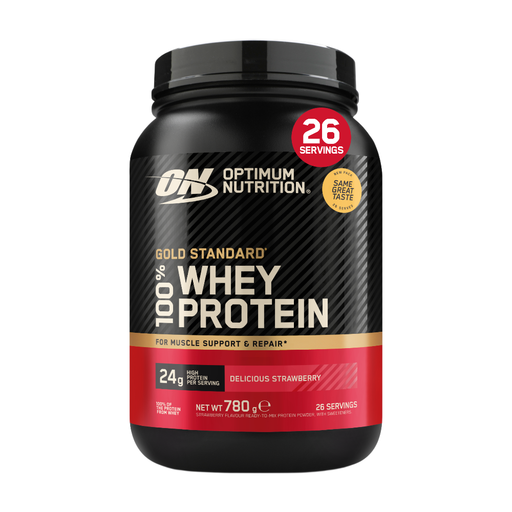
Why it suits this profile: The serving size is easy to manage and the pack contains around 26 shakes. This makes it a practical option if you’re trying whey protein for the first time.
The nutritional information lists 24 g of protein per 30 g serving and around 1.2 g of sugar. This makes it easy to keep track of your serving size and macros.
Whey blend with isolate, concentrate and hydrolysed whey; around 24 g of protein per shake; available in a compact pack.
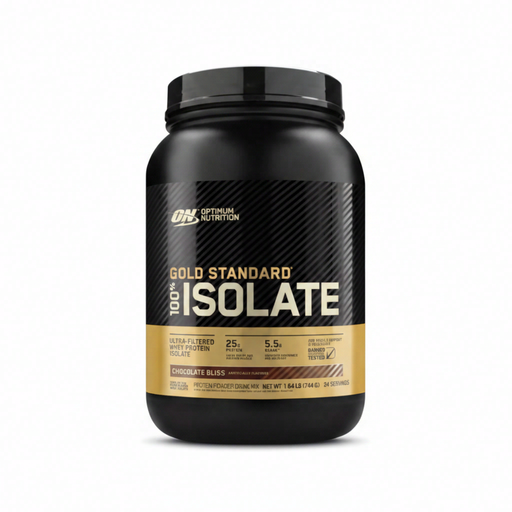
Why it suits this profile: This whey isolate is aimed at athletes who prioritise high protein content and low amounts of sugar and fat per serving.
Rather than relying on a marketing term, the product information gives specific figures: 25 g of protein, less than 0.5 g of sugar and less than 0.5 g of fat per 31 g serving.
Whey isolate as the protein source; around 31 shakes per pack; low amounts of sugar and fat according to the product specifications.
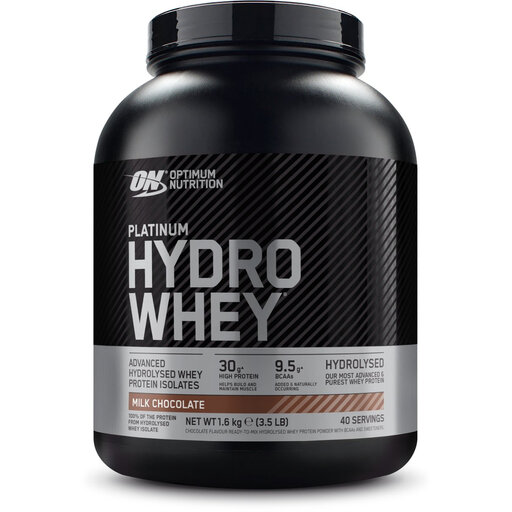
Why it suits this profile: The larger pack, hydrolysed whey isolate and 30 g of protein per serving make it a good fit for regular use around training.
The product information lists not only hydrolysed whey, but also the 40 g serving size, 30 g of protein and around 40 servings. This lets you work out the price per shake.
30 g of protein per serving; 1.6 kg pack; hydrolysed whey protein isolate as the main protein source.
We’ve put together a complete, up-to-date list of products that meet these strict selection criteria and current European safety regulations.
You can use whey protein when you want to add extra protein to your daily diet. Many athletes have a shake after exercise, but you don’t always need to take it at a set time. A protein shake can also be handy between meals or on a busy working day. Follow the serving instructions on the label and take your overall diet into account.
Whey concentrate usually contains more of the milk’s natural components and may have slightly more lactose, fat and carbohydrates. Whey isolate is filtered further and often has a higher protein percentage, with less fat and sugar. Exact values vary by brand and flavour, so always check the nutritional information, especially if you’re sensitive to lactose or following a strict diet.
Store the powder in a cool, dry place, tightly sealed and away from direct sunlight and moisture. Use the date and storage instructions on the packaging as a guide. It’s best not to use powder that has gone lumpy, smells unusual or has changed colour. If you have allergies, check the current ingredients list each time, as recipes and product labels can change.
