
Vandaag of morgen in huis

Kwaliteit gegarandeerd

Welkomstaanbiedingen ontgrendelen: GRATIS bezorging | Tot 80% korting | Gratis 30 dagen JoyPlus-proefperiode
Download de app
Buying whey protein seems straightforward until you start comparing labels. One whey protein powder promises a high protein percentage, while another focuses on BCAAs, flavour or rapid absorption. However, eye-catching claims do not always tell you how much you actually get per serving.
For adults who exercise, want to build muscle or increase their daily protein intake, three pitfalls are particularly important:
The right choice therefore depends on your protein source, nutritional values, when you use it, allergens and budget.
Whey concentrate contains varying amounts of fat and carbohydrates as well as protein. This often makes it suitable for everyday use and a range of dietary plans.
Whey isolate is more highly processed and generally contains a higher protein content per 100 grams, with relatively little fat and carbohydrates. Applied Nutrition ISO-XP Strawberry, for example, lists 22.5 grams of protein per 25-gram serving, with 0.24 grams of fat and 0.09 grams of carbohydrates per serving.
A whey blend combines several sources, such as whey isolate, whey concentrate and hydrolysed whey protein. Optimum Nutrition Gold Standard uses this type of blend. So do not just look for terms such as “100% whey”; check the full ingredients list.
A serving of 25, 30 or 33 grams makes direct comparison difficult. Therefore, look at:
Applied Nutrition ISO-XP Chocolate lists 90 grams of protein per 100 grams and 22.5 grams per 25-gram serving. Optimum Nutrition Gold Standard Strawberry lists 24 grams of protein per 30-gram serving. Depending on the flavour and variant, Applied Nutrition Critical Whey contains approximately 20 to 24 grams of protein per serving.
BCAA protein powder is not a separate protein category. Whey naturally contains BCAAs, including leucine, isoleucine and valine. An additional BCAA claim does not automatically mean that the product is more suitable for every athlete.
Whey protein comes from milk. If you have difficulty digesting lactose, check the ingredients and nutritional information carefully; “isolate” does not automatically mean that a product is completely lactose-free.
Also look out for:
According to the product information, the Caramel Latte variant of Applied Nutrition Critical Whey contains 100 mg of caffeine per 33-gram serving. This makes it less suitable if you train in the evening or want to limit your caffeine intake.
The recommendations below are based on verifiable information such as protein content, serving size, composition and pack size. Always check the current label before buying, as flavours and product formulations may change.
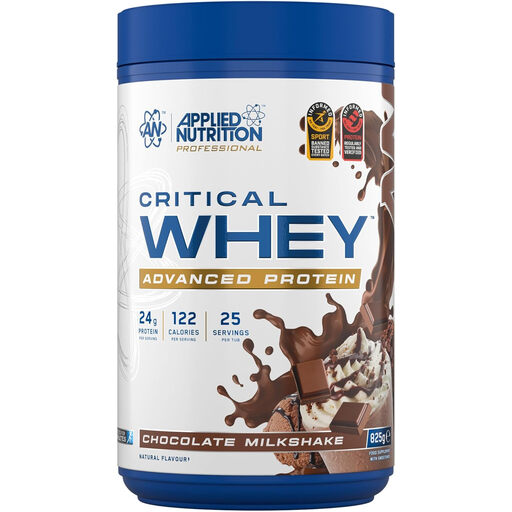
Why it suits this profile: The 825-gram pack is a manageable choice if you want to try a blend of whey concentrate, isolate and hydrolysed whey first.
The nutritional information lists the serving size and values per 100 grams. This allows you to check the protein, sugar and calorie content instead of relying solely on marketing terms.
Approximately 20 grams of protein per 30-gram serving; naturally contains BCAAs and is available in several flavours.
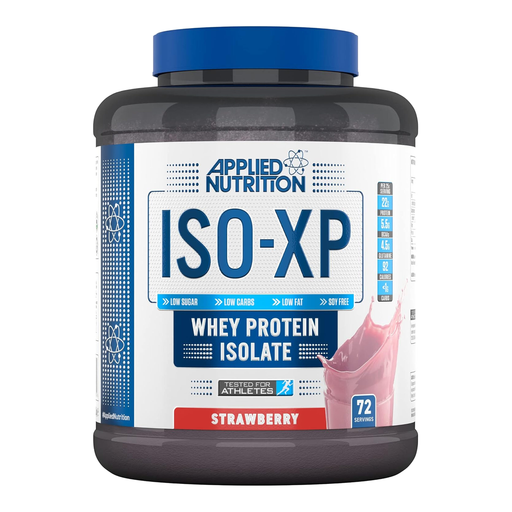
Why it suits this profile: This whey isolate is aimed at athletes who place a high value on a high protein content and low levels of fat and carbohydrates.
The product information distinguishes between 95% isolate as an ingredient and 90 grams of protein per 100 grams of finished powder. This prevents the percentage from being misinterpreted.
22.5 grams of protein per 25-gram serving; less than 1 gram of fat, carbohydrates and sugar per serving according to the stated nutritional values.
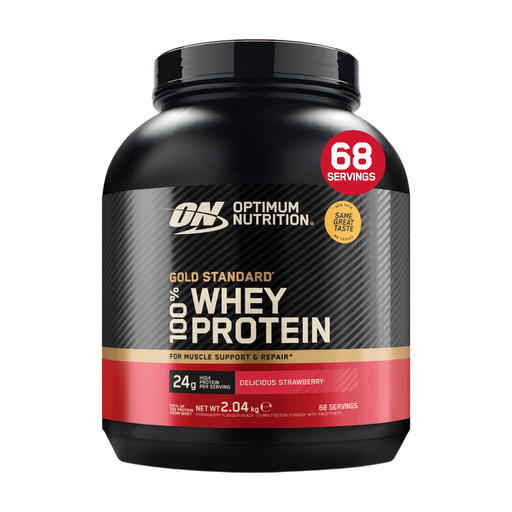
Why it suits this profile: The large pack is ideal for athletes who use protein shakes regularly and want a consistent blend of isolate, concentrate and hydrolysed whey protein per serving.
The packaging lists the composition, serving size and allergens. You can also choose whether to mix it with water or milk, with milk changing the nutritional values.
Approximately 25 grams of protein per 30-gram serving; large pack for regular use and naturally occurring BCAAs from whey.
We have put together a complete, up-to-date list of products that fully meet these strict selection criteria and the applicable European safety regulations.
A protein shake is a supplement to your diet, not a substitute for a varied eating pattern. Mix the powder according to the label with the recommended amount of water or milk. Applied Nutrition ISO-XP, for example, recommends approximately 25 grams of powder with 200 to 250 ml of liquid. For Critical Whey, the recommendation is around 300 to 400 ml.
Protein powder after exercise is convenient, but the exact timing matters less than your total protein intake throughout the day. For example, use a shake after training, at breakfast or as a protein-rich snack. Store the pack in a dry, cool place and keep it tightly sealed.
Always check the use-by date, batch information and current ingredients list. If you have allergies, take medication, are pregnant or breastfeeding, or have a medical condition, it is advisable to consult a healthcare professional.
Protein contributes to the growth and maintenance of muscle mass, as stated in the authorised European nutrition claim. Muscle growth also depends on strength training, sufficient energy, recovery and your overall diet. Protein powder alone does not determine the result.
Follow the best-before date on the packaging. Once opened, the powder remains usable for longest when stored in a dry, cool place in a sealed container or pack. Do not use powder that has become damp, smells unusual or has clearly changed in texture.
No. Whey isolate often contains relatively high levels of protein and little fat and carbohydrates, but a blend may better suit your budget, flavour preference or everyday use. Therefore, always compare the nutritional values per 100 grams, ingredients and allergens before buying whey protein.
