
Vandaag of morgen in huis

Kwaliteit gegarandeerd

Welkomstaanbiedingen ontgrendelen: GRATIS bezorging | Tot 80% korting | Gratis 30 dagen JoyPlus-proefperiode
Download de app
A large tub of whey protein may seem like an easy choice at first. But many sportspeople end up paying for features they don’t need, or only discover after buying that the flavour, ingredients or serving size don’t fit their routine. Check the label carefully to avoid making the wrong choice.
A product with 25 grams of protein per serving may seem like an obvious choice. But check how large that serving is, too. 25 grams of protein in a 31-gram serving gives you a different ratio from 20 grams of protein in a 30-gram serving. So check protein per serving and protein per 100 grams.
Phrases such as ‘fast absorption’, ‘maximum recovery’ or ‘premium formula’ don’t always tell you what the product can practically offer. Instead, check the specific details: the protein source, protein percentage, sugar, fat, allergens and number of servings.
When a brand recommends an effect or time of use, this is based on the product description or the brand’s own information. It’s not a guarantee of individual results. Under an approved EU claim, protein contributes to the growth and maintenance of muscle mass as part of a varied diet and active lifestyle.
A 1.6 or 2-kilogram pack may seem like good value, but it’s less practical if you don’t enjoy the flavour. If you’re trying a new whey protein powder, consider starting with a smaller pack or sachet. Also check whether the flavour contains extra sugar, biscuit pieces or other ingredients.
Whey concentrate often contains slightly more carbohydrates and fat alongside the protein. It’s a popular choice for everyday use.
Whey isolate, also known as whey protein isolate, is filtered further. According to the product information provided, Optimum Nutrition 100% Gold Standard Isolate contains 25 grams of protein, less than 0.5 grams of sugar and less than 0.5 grams of fat per 31-gram serving. This makes it an interesting option if you’re looking for a protein powder low in sugar and fat.
Hydrolysed whey protein is partially broken down in advance. According to the product information, Optimum Nutrition Platinum Hydro Whey is made from hydrolysed whey protein isolate. It provides 30 grams of protein per 40-gram serving. Always check the full ingredients list and nutrition table. ‘Hydro’ doesn’t automatically mean the product is necessary for everyone.
Don’t compare only the number on the front of the pack. According to the label, Applied Nutrition Critical Whey provides around 20 grams of protein per 30-gram serving; another listing for a 33-gram serving gives around 23.6 grams. The exact amount may vary by flavour, so check the pack of the variant you’re planning to order.
The stated amount for Optimum Nutrition Gold Standard 100% Whey is usually around 24 grams of protein per serving of approximately 30 to 32 grams. The formula contains a blend of whey isolate, whey concentrate and hydrolysed whey protein ingredients.
If you’re looking for low sugar and fat content, the nutrition values per serving matter more than claims on the front of the pack. Also check:
A BCAA protein powder doesn’t necessarily contain added BCAAs. Whey naturally contains leucine, isoleucine and valine. Some products list these amino acids separately, so compare the ingredients list rather than looking only at the front of the pack.
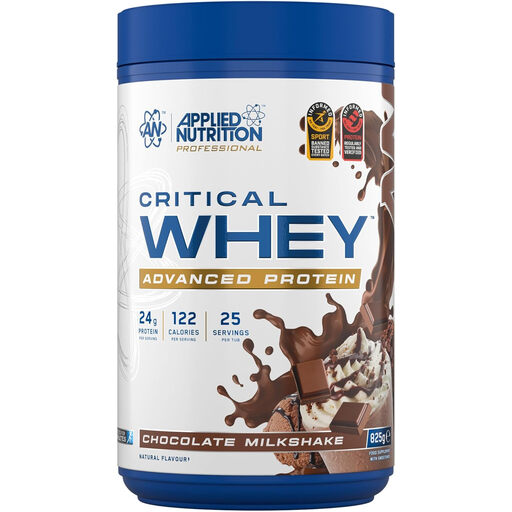
Why it suits this profile: A practical choice if you’d like to try different whey sources without buying a very large pack straight away.
The product information lists the protein content per serving and the blend of concentrate, isolate and hydrolysate. This makes it easy to compare the ingredients.
Around 20 grams of protein per serving according to the product description, with naturally occurring BCAAs and several whey protein sources.
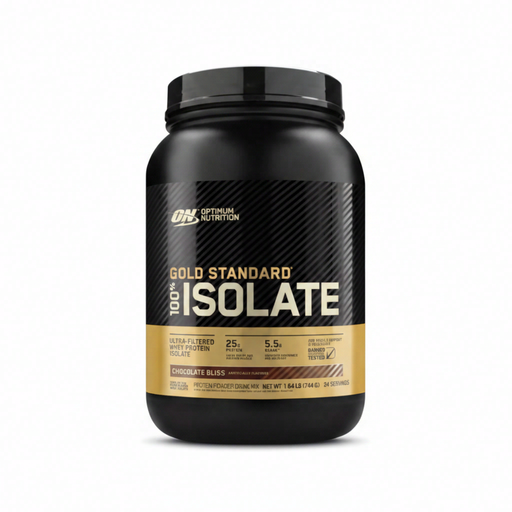
Why it suits this profile: A good choice for sportspeople who prioritise an isolate formula with low sugar and fat content.
The product table lists 25 grams of protein, less than 0.5 grams of sugar and less than 0.5 grams of fat per 31-gram serving.
Whey protein isolate as the protein source, 31 servings and clear allergen information for milk and soya.
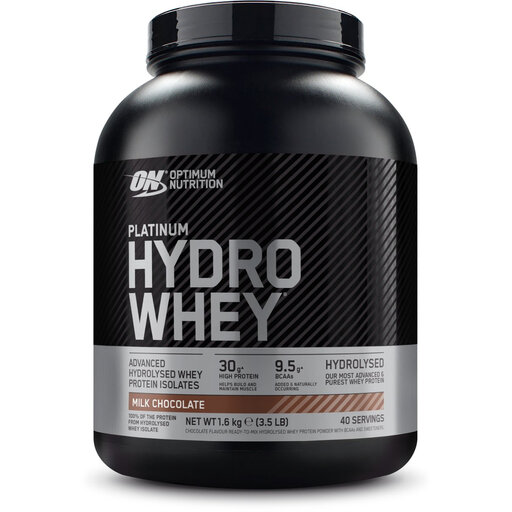
Why it suits this profile: A large pack for sportspeople who regularly have a protein shake after exercise or between meals.
The pack lists around 40 servings and 30 grams of protein per 40-gram serving, making the ratio easy to check.
Hydrolysed whey protein isolate, a 1.6-kilogram pack and 0.5 grams of sugar per serving according to the nutrition table.
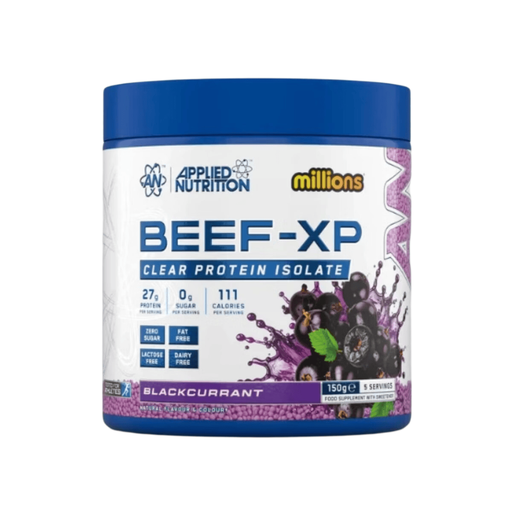
Why it suits this profile: An alternative if you don’t want to use whey protein or soya and are looking for a small pack.
The protein source is listed as beef protein isolate. The serving size and nutrition values are clearly stated, with no whey blend hidden in the ingredients.
27.2 grams of protein and less than 0.1 grams of sugar per 30-gram serving according to the product information; the pack contains 150 grams.
We’ve put together a comprehensive, up-to-date list of products that meet these strict selection criteria and comply with current European safety regulations.
You can have a protein shake after exercise if you otherwise find it difficult to meet your daily protein requirements. There’s no need to have it at a particular time. A shake can also fit between meals. Always follow the serving size and recommended daily amount on the label.
Store the powder as directed on the pack, usually in a cool, dry place away from direct sunlight. Close the tub securely after use and check the best-before date. Use a dry scoop to prevent clumps and moisture getting into the pack.
Whey isolate is often relatively low in sugar and fat, but the exact amounts vary by flavour and brand. Check the nutrition table, and look out for added ingredients such as biscuit pieces, cocoa, sweeteners and flavourings. If you have an allergy or intolerance, it’s important to read the full ingredients list and warnings on the pack.
