
Vandaag of morgen in huis

Kwaliteit gegarandeerd

Welkomstaanbiedingen ontgrendelen: GRATIS bezorging | Tot 80% korting | Gratis 30 dagen JoyPlus-proefperiode
Download de app
Buying a tub of whey protein powder seems straightforward until you have to choose between whey protein types, flavours, serving sizes and different protein blends. Marketing terms such as “fast-absorbing”, “extra pure” and “with BCAAs” sound appealing, but they do not always tell you enough about what you are actually buying per serving.
As a Joybuy Product Recommendation Officer, I therefore focus mainly on verifiable information on the label: the amount of protein per serving, the type of whey, the nutritional values, allergens and the price per 100 grams. This helps you avoid paying mainly for packaging, flavour claims or ingredients you do not need.
A high percentage of protein per 100 grams is useful, but it is not the only criterion. Also check the serving size. For example, a product may contain 90 grams of protein per 100 grams but recommend a smaller serving. Always compare:
Among the available products, the amount ranges from approximately 20 to 25 grams of protein per serving.
Whey isolate, whey concentrate and hydrolysed whey are different forms of whey protein. A blend may contain all three, while the product name draws particular attention to “isolate”. So check the order of the ingredients.
Whey concentrate is often a practical choice for everyday use. Whey isolate generally contains a higher proportion of protein and less fat and carbohydrate. Hydrolysed whey has been partially broken down in advance, but that does not automatically mean the product offers greater benefits for every user.
Whey naturally contains BCAAs, including leucine, isoleucine and valine. A product may list these separately, but first compare the total protein content and composition. Extra BCAAs highlighted on the front of the pack do not automatically make a protein powder more suitable for your diet.
For a post-workout protein shake, a serving containing approximately 20 to 25 grams of protein is common among the products described here. Also check the sugar, fat, carbohydrate and calorie content. The Optimum Nutrition Gold Standard Whey varieties, for example, list approximately 24 grams of protein and around 112 to 119 kcal per serving, depending on the flavour and pack size.
Applied Nutrition Critical Whey lists approximately 20 to 24 grams of protein per 30 to 33 grams, depending on the variant. Values may therefore vary by flavour. Always use the label for the exact version you are buying.
None of these forms replaces a varied diet. According to the authorised EU health claim, protein contributes to the growth and maintenance of muscle mass when the product is used as part of a suitable diet and active lifestyle.
Whey comes from milk. Many products also contain soya, for example as lecithin to aid mixing. Also check the warning for possible traces of gluten, egg, peanuts or nuts.
Some varieties use sucralose and acesulfame K. If you prefer to avoid these sweeteners, check the ingredients list for each flavour. A flavour such as vanilla, chocolate or strawberry protein powder may also have different nutritional values from an unflavoured variety.

Why it suits this profile: The small pack is practical if you want to try a flavour and see how well it mixes before buying a larger quantity.
The product information states the serving size, approximately 24 g of protein per serving and the whey blend containing isolate, concentrate and hydrolysed whey.
300 g contents, vanilla flavour and designed to mix with water or milk.
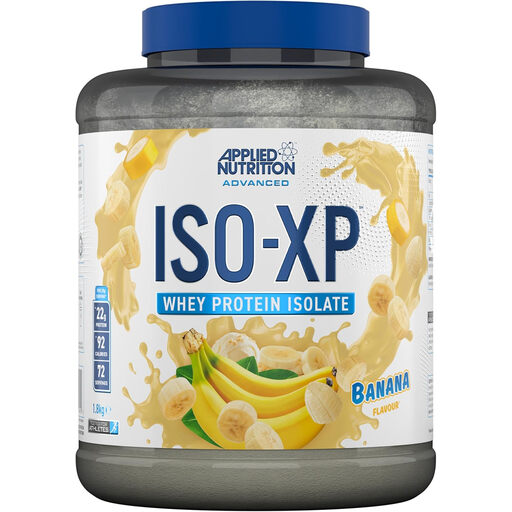
Why it suits this profile: This variant is aimed at users looking for a high proportion of protein and low amounts of fat, carbohydrate and sugar per serving.
The supplied nutritional information states 22,5 g of protein per 25 g serving and approximately 97% whey isolate as the main ingredient. Check the current packaging for the definitive values.
1,8 kg contents, banana flavour and sunflower lecithin instead of soya lecithin according to the product description.
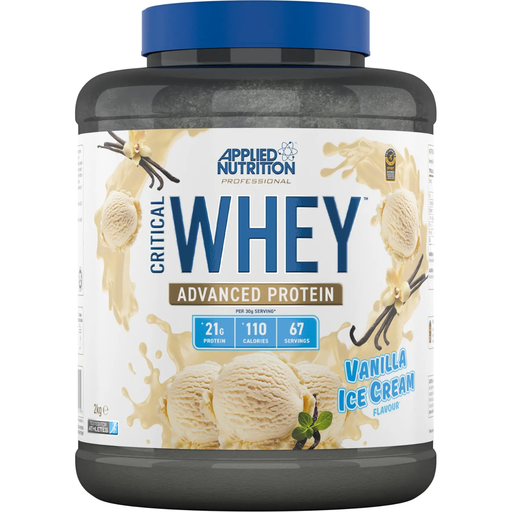
Why it suits this profile: The large pack is aimed at athletes who regularly use protein shakes and prefer not to reorder as often.
The product details state 21 g of protein per 30 g serving, along with the separate presence of concentrate, isolate and hydrolysed whey.
2 kg contents, vanilla flavour and approximately 110 kcal per serving according to the supplied product specifications.
We have compiled a complete, up-to-date list of products that fully meet these strict selection criteria and the applicable European safety regulations.
Mix a serving with the amount of cold water or milk stated on the label. Optimum Nutrition generally recommends 180 to 240 ml; Applied Nutrition Critical Whey recommends approximately 300 to 400 ml. The amount of liquid required affects the thickness and flavour of the shake.
Use whey protein powder as a supplement to your daily diet, for example after exercise or as a protein-rich snack. Follow the recommended serving instructions and do not exceed the daily amount stated on the label. Store the packaging tightly closed, in a dry place and away from direct sunlight. Products usually contain milk and sometimes soya; if you have an allergy or intolerance, the label is the deciding source of information.
No. You can also get protein from ordinary foods. Protein powder is mainly convenient when you want to increase your daily protein intake more easily. Building or maintaining muscle mass also depends on training, your overall diet and recovery.
Follow the best-before date and storage instructions on the packaging. Close the tub or bag securely after each use and keep the powder dry. A change in smell, colour, flavour or texture is a reason to stop using the product.
Not necessarily. Whey isolate may be worth considering if you want less fat and carbohydrate per serving, but whey concentrate or a blend may be perfectly adequate for everyday use. Compare the nutritional values, ingredients, allergens and price per serving before making your choice.
