
Vandaag of morgen in huis

Kwaliteit gegarandeerd

Welkomstaanbiedingen ontgrendelen: GRATIS bezorging | Tot 80% korting | Gratis 30 dagen JoyPlus-proefperiode
Download de app
Buying a tub of whey protein powder seems simple. Yet many people focus mainly on the flavour, packaging and familiar brand name. As a result, they sometimes pay for a product that doesn’t suit their goals. A protein shake for everyday use has different features from a weight gainer for someone who struggles to put on weight.
The main pitfalls are clear:
Whey concentrate contains varying amounts of carbohydrates and fat as well as protein. It’s often part of a versatile protein blend.
Whey isolate usually has a higher protein percentage per 100 grams, with fewer carbohydrates and less fat. One example is Optimum Nutrition Gold Standard Isolate Chocolate: according to the product information, a serving of around 31 grams provides 25 grams of protein, around 100 kcal and less than 1 gram of carbohydrates.
Hydrolysed whey is whey that has been partially broken down in advance. According to the product specifications, Optimum Nutrition Platinum Hydro Whey contains hydrolysed whey protein isolate and provides 30 grams of protein per 40-gram serving. This makes it an interesting option for anyone specifically looking for a hydrolysed whey formula, but it won’t automatically be the right choice for everyone.
Please note: terms such as “fast-absorbing” and similar wording are product claims made by the brand. Don’t treat them as medical promises or guarantees of a particular result.
A protein powder may state that it contains 24 grams of protein per scoop, but the scoop could weigh 30, 31, 32 or 40 grams. So check both figures.
As a practical comparison:
Also check the sugar, fat, salt and number of servings. A chocolate protein powder with relatively few carbohydrates fits into your diet differently from a mass gainer.
A regular protein shake usually contains a limited number of calories. This suits athletes who want to increase their protein intake without adding much extra energy.
A weight gainer or mass gainer has a different composition. For example, Optimum Nutrition Serious Mass Chocolate lists around 50 grams of protein, more than 250 grams of carbohydrates and approximately 1,250 kcal per serving. The recommended serving is around 330 grams, providing 16 servings from a 5.45 kg pack.
This can be useful for adults with high energy requirements, but a full serving isn’t necessary for everyone. If the label allows, you could start with a smaller amount and include the calories in your total daily intake. A mass gainer isn’t a substitute for a varied diet.
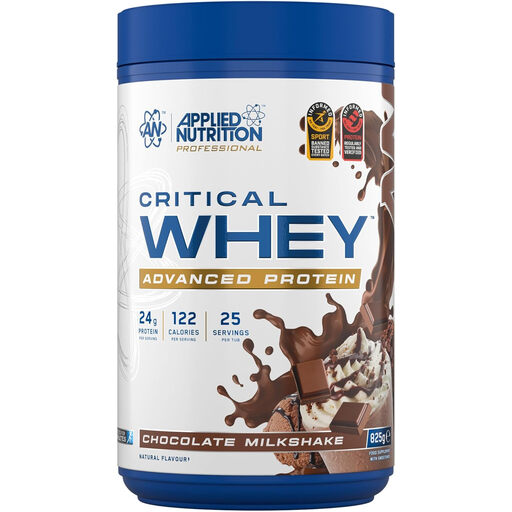
Why it suits this profile: A manageable pack for anyone looking to start using whey protein without buying a large supply straight away. The chocolate flavour suits those looking for a simple protein powder for everyday use.
The nutrition information lists the serving size as well as the protein, carbohydrates and fat. This lets you check the composition rather than relying on the flavour or brand name alone.
A blend of whey concentrate, whey isolate and hydrolysed whey; around 20 grams of protein per serving according to the product information.
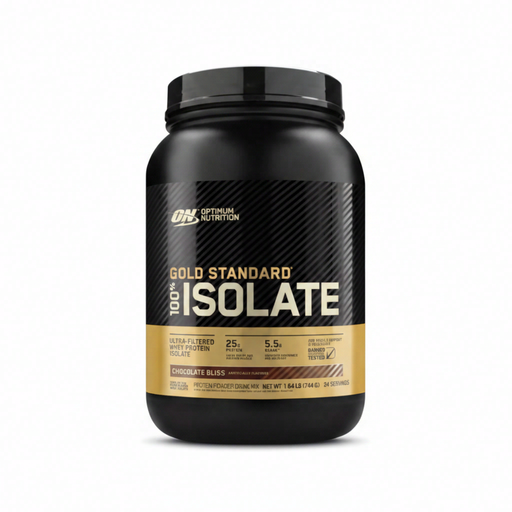
Why it suits this profile: Designed for users looking for whey isolate with clear nutritional information and who want each shake to contain little sugar and fat.
The pack contains 31 servings of around 31 grams each. The nutrition values are specified per serving, including 25 grams of protein, less than 1 gram of carbohydrates and less than 0.5 grams of fat.
930 grams; based on whey protein isolate; mix with 250 to 350 ml of water or milk according to the product specifications.
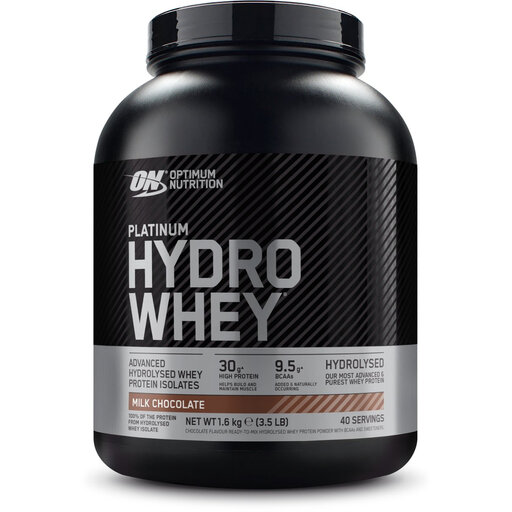
Why it suits this profile: For athletes who deliberately choose a formula containing hydrolysed whey protein isolate and a larger pack for regular use.
The serving size is clearly set at 40 grams. This means you can see that 1.6 kg works out at around 40 servings and get a more realistic idea of the cost per shake.
30 grams of protein per serving; 1.2 grams of carbohydrates and 0.5 grams of sugar per serving according to the stated nutrition values.
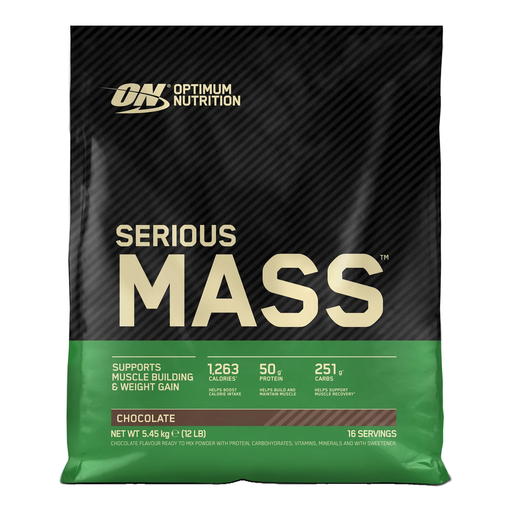
Why it suits this profile: A weight gainer for adults who struggle to consume enough calories and are looking for a large serving of carbohydrates and protein.
The product information clearly lists 16 servings and a serving size of around 330 grams. This makes it clear that a large pack doesn’t necessarily mean a large number of shakes.
5.45 kg; a blend of whey concentrate, carbohydrates, creatine, vitamins and minerals according to the product description.
We’ve put together a complete, up-to-date list of products that meet these strict selection criteria and comply with the applicable European safety regulations.
A protein shake after training is particularly convenient when a meal isn’t readily available. You can also use whey at another time of day, for example at breakfast or as a snack between meals. Your total protein intake, daily diet and training routine matter more than one specific time.
Follow the best-before date and store the product according to the label. This usually means keeping it cool, dry and tightly sealed, away from direct sunlight and moisture. Use a dry scoop and check the smell, colour and texture after opening. If in doubt, or if the product smells unusual or has become damp, don’t use it.
The price per pack tells you little without knowing the number of servings. Divide the purchase price by the stated number of servings, then compare the protein per serving. With a mass gainer, you should also take into account the large recommended serving and high calorie content. Always check the current product information, ingredients and allergens on the pack before use.
