
Vandaag of morgen in huis

Kwaliteit gegarandeerd

Welkomstaanbiedingen ontgrendelen: GRATIS bezorging | Tot 80% korting | Gratis 30 dagen JoyPlus-proefperiode
Download de app
Buying whey protein seems straightforward: choose a flavour, check the price and add the product to your basket. But whey products can vary considerably in protein content, ingredients, serving size and convenience. A large pack isn’t automatically better value, and a bold claim on the front tells you little about the nutritional information.
As a Joybuy Product Recommendation Officer, I assess product information against verifiable criteria. This helps you avoid paying for marketing claims that don’t match how you’ll use the product day to day.
A whey protein powder with a high protein content per 100 grams can still provide little protein per serving if the recommended scoop is small. Always compare:
The products in our comparison range from around 20 grams of protein per serving for Applied Nutrition Critical Whey to 30 grams for Optimum Nutrition Platinum Hydro Whey.
Whey isolate is generally a more concentrated form of protein than whey concentrate, but that doesn’t automatically make it a more practical choice for everyone. A blend of whey concentrate, whey isolate and hydrolysed whey can also be suitable for everyday use.
A protein powder with BCAAs also deserves a closer look. Whey naturally contains leucine, isoleucine and valine. Check whether the amount of BCAAs is listed separately and whether this information fits with your overall diet. According to Applied Nutrition’s product information, Critical Whey naturally contains BCAAs as part of its protein profile.
A pack of 2 kg or more may seem like good value, but it’s less convenient if you don’t enjoy the flavour or you’re sensitive to milk, soya, sweeteners or thickeners. Check the allergen information before buying. Most of the products mentioned contain milk, and several varieties also contain soya.
If you’d like to try a flavour first, it’s better to start with a smaller pack or a sachet bundle with a shaker.
For a fair comparison, don’t just look at the front of the pack. Make a note of the following for each product:
For example, Ghost Clear Whey Blue Raspberry lists 25 grams of protein and around 100 kcal per serving of approximately 32 grams. Optimum Nutrition Gold Standard usually lists around 24 grams of protein per serving. Applied Nutrition Critical Whey Caramel Latte lists around 20 to 21.9 grams per 30-gram serving, depending on the variety.
Also check for sweeteners, flavourings, emulsifiers and potential allergens. Product formulations can change, so always check the current label when your order arrives.
A protein powder can be useful after training if you can’t have a protein-rich meal at that time. You don’t have to drink whey immediately after your workout, though. You can also have a protein shake with breakfast or as a snack.
Follow the preparation instructions. Gold Standard products are generally mixed with around 180 to 240 ml of water or milk. Ghost Clear Whey requires around 475 ml of liquid and should be left to stand for about 60 seconds after shaking to allow the foam to settle. Applied Nutrition recommends around 300 to 400 ml of cold water.
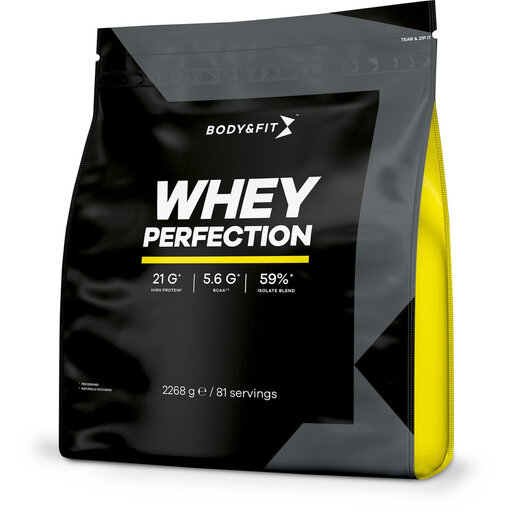
Why it suits this profile: The large pack provides around 81 shakes, making it a good fit for people who use protein shakes regularly and want to compare the cost per serving.
The product information lists a serving size of 29 grams, up to 23 grams of protein per serving and the total net weight. This makes it easy to work out the cost per shake.
Three whey sources, more than 50% isolate according to the product description, and a choice of several flavours.
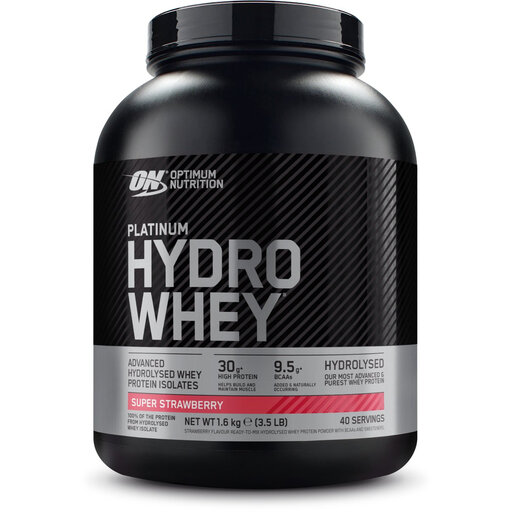
Why it suits this profile: This option is aimed at adults who prioritise a high protein content per serving and hydrolysed whey isolate.
The pack clearly lists 30 grams of protein per 40-gram serving and around 40 servings per pack.
Hydrolysed whey protein isolate; 142 kcal and 0.6 grams of sugar per serving according to the product information.
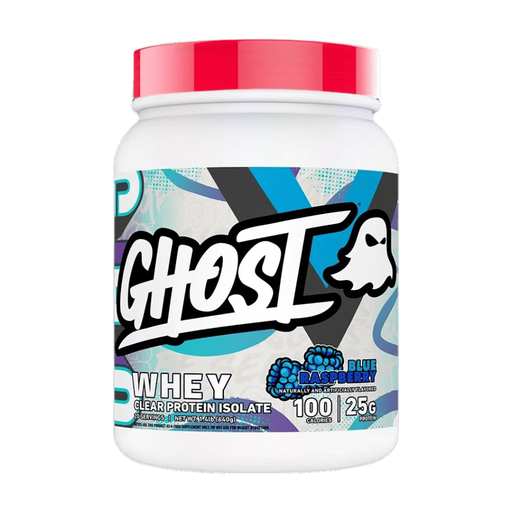
Why it suits this profile: The clear drink format is a good choice if you don’t want a creamy shake and are looking for a light protein drink to have after training or on the go.
The ingredients list specifies whey isolate, 25 grams of protein per serving and 0 grams of sugar. The serving size and amount of water are also stated.
Around 100 kcal per serving, no added sugars according to the product description, and free from soya and gluten according to the stated label.
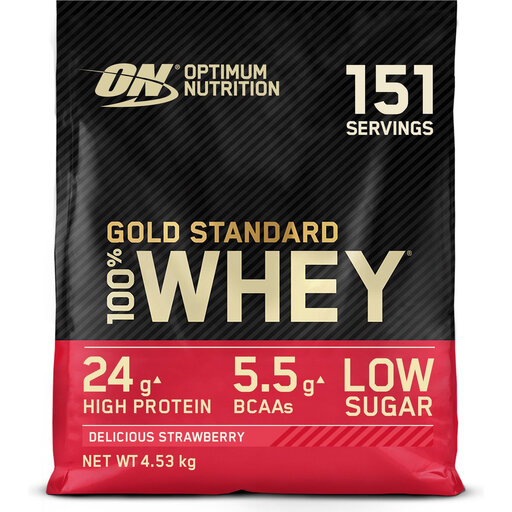
Why it suits this profile: The large pack contains around 151 servings, making it a good choice for adults who train several times a week and want to top up their supply less often.
The product information lists 24 grams of protein per serving of around 30 grams, helping you plan your supply and intake with confidence.
A blend of whey isolate, concentrate and hydrolysed whey; around 83 grams of protein per 100 grams according to the stated nutritional information.
We’ve put together a complete, up-to-date list of products that meet these strict selection criteria and the applicable European safety regulations.
You can use whey after training when you want a convenient way to add extra protein to your diet. It’s not essential to have it at a particular time: a shake can also fit into another part of your day or make a protein-rich snack. Always follow the serving instructions on the label.
Check the best-before date on the pack. Store the powder in a cool, dry place, sealed tightly and away from direct sunlight and moisture. Don’t use it if the seal is damaged or if the product smells unusual or has become lumpy due to moisture.
Not necessarily. Whey isolate may appeal to you because of its stated protein content and formulation, but allergens, flavour, price per serving and nutritional information still matter. If you’re mainly looking for an affordable everyday supplement, you could also consider whey concentrate or a blend. If you have an allergy or medical condition, take medication, are pregnant or breastfeeding, consult a doctor or qualified healthcare professional.
