
Vandaag of morgen in huis

Kwaliteit gegarandeerd

Welkomstaanbiedingen ontgrendelen: GRATIS bezorging | Tot 80% korting | Gratis 30 dagen JoyPlus-proefperiode
Download de app
Buying whey protein seems straightforward until you have to choose between whey protein powder, whey protein isolate, clear whey, flavours and packs ranging from 300 grams to 2 kilograms. Marketing copy often highlights rapid absorption, BCAAs or a “pure” formula. However, these terms do not tell you everything about whether a product is suitable for your everyday use.
When comparing products, focus mainly on the nutritional values per serving, the protein source, allergens and the price per shake. This helps you avoid paying extra for a large logo, a flavour you quickly tire of or packaging containing fewer servings than expected.
A high protein percentage per 100 grams is relevant, but it is not the only criterion. Also check the serving size. For example, a product may contain 90 grams of protein per 100 grams but use a 25-gram serving. Another whey product may use 30 or 33 grams per shake. Always compare:
Whey protein isolate is a more highly concentrated form of whey. That does not automatically mean that every isolate product is necessary for every user. A standard whey containing concentrate, isolate and hydrolysed whey can be a practical choice if you mainly want to add extra protein to your diet.
If you specifically want as few carbohydrates and fats as possible, you can check the nutritional information for an isolate. Applied Nutrition ISO-XP, for example, lists 22.5 grams of protein per 25-gram serving, with 0.1 grams of carbohydrates and 0.4 grams of fat per serving. Always check the label for the flavour you choose.
A creamy protein shake with a milky texture is not enjoyable for everyone, particularly after a tough workout or when you are out and about. Clear whey generally has a lighter, more drink-like texture. A ready-to-drink protein shake is convenient if you do not want to carry a shaker or measuring scoop.
Also pay attention to sweeteners and allergens. Many products contain milk, and some also contain soya. A product containing lactase is not automatically suitable for everyone with lactose intolerance. Read the current ingredients list and warnings before buying.
Whey concentrate generally contains more milk components alongside the protein than isolate. A blend combines different forms of whey. Optimum Nutrition Gold Standard lists a blend of whey protein isolate, whey protein concentrate and hydrolysed whey proteins. The product information states approximately 24 grams of protein per serving.
Applied Nutrition Critical Whey also combines concentrate, isolate and hydrolysed whey. According to the stated product specifications, the vanilla flavour provides approximately 20 grams of protein per 30-gram serving. Nutritional values may vary by flavour, so do not look only at the product name.
You can have a protein shake after training, at breakfast or as a high-protein snack. The exact timing is less important than your overall diet and consistently following the recommended serving. Therefore, think of protein powder for muscle growth as a supplement, not a replacement for varied meals.
A protein shake with a high protein content provides approximately 20 to 25 grams of protein per serving in this selection. This is easy to incorporate into your daily nutrition plan. Use an amount that suits your personal protein requirements and follow the label instructions.
A small pack is practical for trying a flavour. Larger packs may be more convenient for frequent users, but check the number of servings and the best-before date. A 2-kilogram bag is not automatically better value if you do not like the flavour or use the product infrequently.
For when you are out and about, a ready-to-drink bottle or sachet may make more sense. Nutramino Nutra-GO Shake, for example, contains 25 grams of protein per 330 ml bottle. Once opened, the shake should be kept refrigerated and consumed within 24 hours.
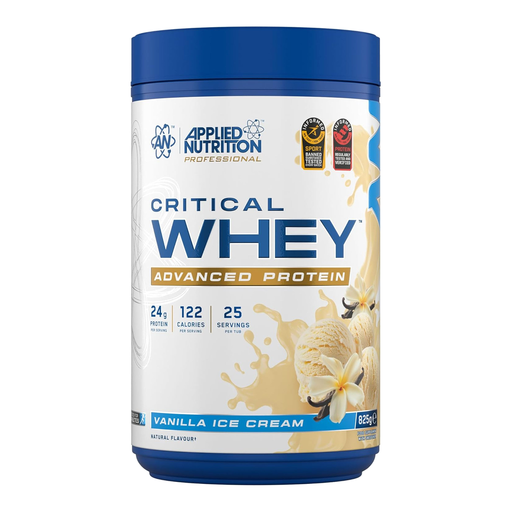
Why it suits this profile: The 825-gram pack is a manageable choice for anyone trying whey protein powder for the first time who does not want to buy a large supply straight away.
The product specification lists a combination of concentrate, isolate and hydrolysed whey, plus approximately 20 grams of protein per 30-gram serving. Check the exact nutritional values for each flavour.
30 grams of powder per serving; contains milk and soya; mix with 300–400 ml of cold water.

Why it suits this profile: This option is aimed at adults specifically looking for a whey protein isolate with low levels of sugar and fat.
The table lists 25 grams of protein per 31-gram serving, less than 1 gram of carbohydrates and less than 0.5 grams of fat. This makes comparison more tangible than general claims about absorption.
930 grams; approximately 31 servings; contains milk and soya.
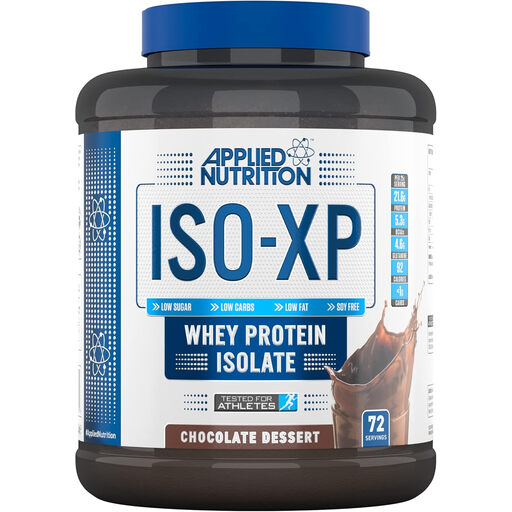
Why it suits this profile: The large pack is well suited to athletes who train frequently and use their protein powder regularly.
The stated nutritional values are specific: 22.5 grams of protein per 25-gram serving, with 0.1 grams of carbohydrates and 0.4 grams of fat. The bag contains approximately 72 servings.
92% whey protein isolate as the main ingredient; sunflower lecithin; 1.8 kilograms.
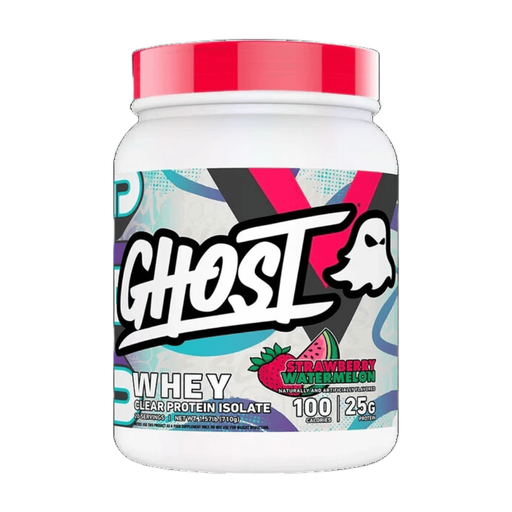
Why it suits this profile: Clear whey is ideal for users who prefer a refreshing drink to a creamy protein shake.
The product specification lists 25 grams of protein and approximately 100 kcal per serving. Mix with around 475 ml of water and allow the foam to settle before drinking.
Whey isolate as the base; 0 grams of sugar per serving; approximately 20 servings.
We have put together a complete, up-to-date list of products that fully meet these strict selection criteria and the applicable European safety regulations.
You can have a protein shake after training as a convenient addition to your daily protein intake. It does not have to be immediately after your final exercise. Focus mainly on your overall diet, the recommended serving and your personal training goal.
The best-before date is shown on the packaging. Store whey protein powder in a cool, dry place away from direct sunlight. Close the bag or tub securely to help prevent moisture and clumping. Do not use the product if the seal is damaged or if its smell and texture have clearly changed.
A bottle is generally more convenient when you are out and about, but offers less flexibility in terms of serving size. Powder requires preparation, but may be cheaper per serving. Compare the price per gram of protein rather than just the price of the pack. For a chilled shake, also check the storage instructions after opening.
