
Vandaag of morgen in huis

Kwaliteit gegarandeerd

Welkomstaanbiedingen ontgrendelen: GRATIS bezorging | Tot 80% korting | Gratis 30 dagen JoyPlus-proefperiode
Download de app
As a Joybuy Product Recommendation Officer, I see the vast number of choices in the sports nutrition market every day. The market for whey protein is enormous, and it can be difficult to see through the marketing claims. Many athletes, both beginners and experienced, fall into the same traps and pay too much for a product that doesn't match their goals. This guide is designed to help you make an informed choice, based on facts rather than hype.
Before you buy a protein powder, it's wise to know the most common missteps:
To make the right choice, it's important to understand the three main types of whey. The difference lies in the degree of processing, which affects the protein percentage, the amount of fat and lactose, and the absorption rate.
This is the least processed and therefore often the most economical form of whey. The protein content is typically between 70-80%. The remainder consists of slightly more lactose (milk sugar) and fat. For most athletes looking to increase their protein intake for muscle growth and recovery, this is an excellent and budget-friendly choice.
Through an additional filtering process, whey isolate contains more protein (usually 90% or higher) and significantly less lactose and fat than concentrate. This makes it a good option for people who are lactose intolerant or follow a very strict diet where every calorie counts. It is also absorbed slightly faster by the body.
This is the most pre-processed form. The protein chains are already broken down into smaller particles (peptides), allowing the body to absorb them extremely quickly. This type is especially popular with elite athletes who need maximum recovery immediately after intense exertion. The downside is a considerably higher price and a taste that is sometimes perceived as bitter.
Based on product specifications and user profiles, we have selected a few popular choices. We match them to specific needs, so you can find a product that truly fits you.
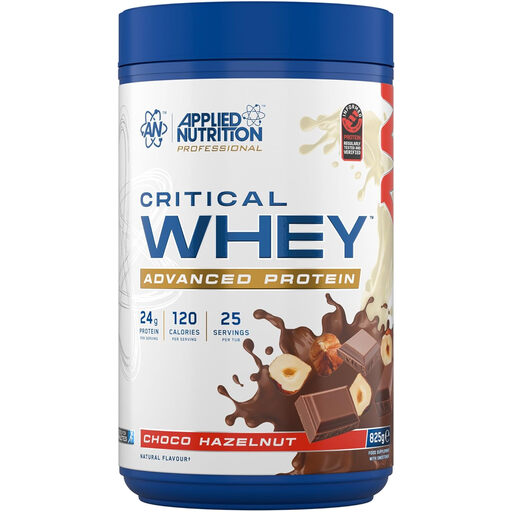
Why This Fits Their Persona: Ideal for those starting with a protein shake and looking for a good balance between price and quality. This blend provides a solid foundation without the high cost of pure isolate or hydrolysate formulas.
You're not paying for unnecessarily expensive, "advanced" ingredients. It's an honest blend that does what it's supposed to: increase your protein intake for a reasonable price.
Offers 24g of protein per serving from a mix of concentrate, isolate, and hydrolyzed whey. The protein source comes from grass-fed cows.
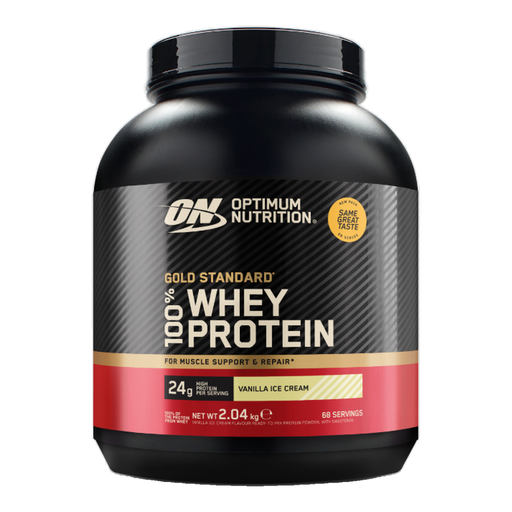
Why This Fits Their Persona: For the athlete who trains consistently and seeks a reliable product. Optimum Nutrition is an established name, and this blend, with whey isolate as its main ingredient, is focused on effective muscle recovery.
This product bypasses the "secret blend" pitfall by making it clear that whey isolate is the primary ingredient. You know you're investing in higher purity.
Delivers 24g of protein per serving and naturally contains about 5g of BCAAs. The formula is low in sugar and dissolves easily in water or milk.
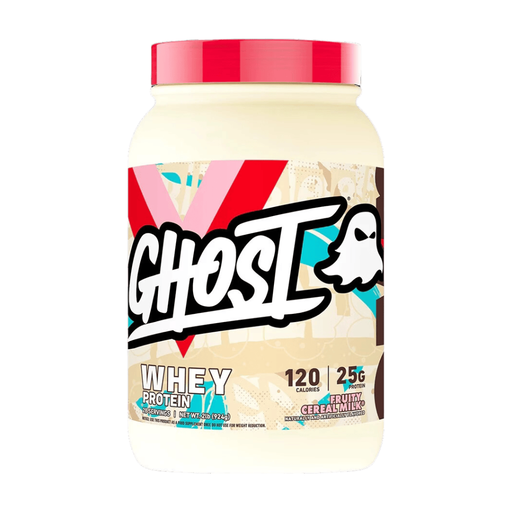
Why This Fits Their Persona: For those who see their protein shake as a treat. Ghost Whey is known for its unique, candy and cereal-inspired flavours. This makes it easier and more enjoyable to hit your daily protein goal.
Directly addresses the taste and mixability disappointment. The addition of digestive enzymes can also help with bloating, a common complaint with protein shakes.
Delivers 25g of protein per serving and includes a mix of digestive enzymes (protease, bromelain, lactase) to support absorption. Fully transparent label.
We have compiled a complete, up-to-date list of products that meet these selection criteria and comply with Dutch regulations.
This depends entirely on your total daily protein needs and how much you already get from regular food. An active athlete typically needs 1.6 to 2.2 grams of protein per kilogram of body weight. A protein shake is a supplement, not a replacement. For most, one shake per day, for example after a workout, is sufficient to reach their goal.
If you are sensitive to lactose, it's best to avoid whey concentrate. Whey isolate is a much better option, as it undergoes a filtering process that removes most of the lactose. Many people with a mild intolerance can tolerate isolate without any issues. For a severe allergy, a plant-based protein powder is a safer alternative.
No, a protein shake by itself does not make you gain weight. Weight gain is caused by a calorie surplus: consuming more calories than you burn. Protein powders are relatively low in calories and can actually contribute to a feeling of fullness, which can help with weight management. It's the total calorie intake throughout the day that counts.
