
Vandaag of morgen in huis

Kwaliteit gegarandeerd

Welkomstaanbiedingen ontgrendelen: GRATIS bezorging | Tot 80% korting | Gratis 30 dagen JoyPlus-proefperiode
Download de app
A wet and dry vacuum cleaner can do more than pick up loose dirt. Depending on the model, you can use it to clean up spills, carpets, sofas, mattresses or car interiors. However, many appliances look alike in online shops. A high suction rating or motor power doesn’t always tell you whether a machine will be practical for your home.
So, pay particular attention to these three pitfalls:
Not every appliance with a wet and dry function is designed for the same job.
Manufacturers list figures such as 13 kPa, 15.000 Pa or 18.000 Pa. According to the relevant brand’s product description, these indicate the maximum suction power. In practice, brush shape, airflow, filter resistance and the connection between the nozzle and the surface all play a part too.
A wide floor brush is useful for hard floors. A narrower upholstery brush works better on sofas and car seats. For pet hair, a rotating turbo or anti-tangle brush can be useful, but check regularly for hair wrapped around the brush roller.
A model with separate clean and dirty water tanks stops you from continuing to clean with dirty water. Check:
A larger tank is useful for carpets and several rooms, but it also makes the appliance heavier. For a single stain, a compact spot cleaner is often a more sensible choice.
An appliance rated at 74 or 80 dB will be audible while in use. For families with young children or pets, a shorter cleaning session may be more comfortable than using a larger appliance for longer.
Check the mains cable and hose too. A long hose is useful for sofas, stairs and car interiors. For a cordless model, compare the stated run time with the charging time. After every wet clean, empty the tank, rinse the hose and allow the filters to dry completely before putting them back.
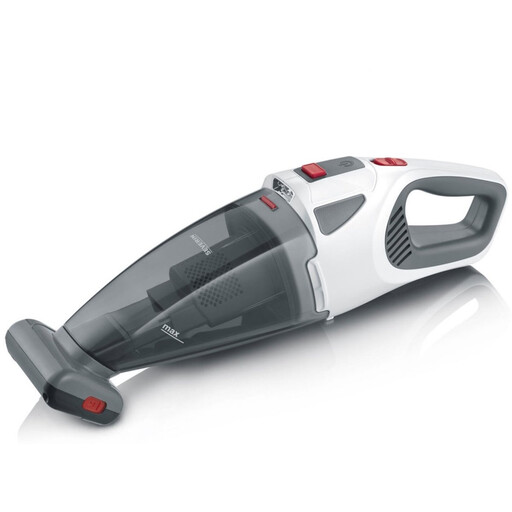
Why it suits this profile: This compact model is designed for quick cleaning at home and in the car. Its cordless operation and accessories are handy for crumbs, furniture and small liquid spills.
The product description lists a wet and dry function, 4-in-1 accessories and a rotating turbo brush. Check the capacity before cleaning larger areas.
18,5 V Li-ion battery, up to 30 minutes’ run time according to the product information, LED lighting and a wall mount with charger.

Why it suits this profile: For households that want to automate everyday maintenance, this robot combines vacuuming and mopping on hard floors and carpets.
The OMNI station information mentions automatic emptying, washing the mop with warm water, drying and refilling the water. The tanks and dust container still need maintenance.
According to the product description: 20.000 Pa, LiDAR-style TrueMapping navigation, anti-tangle brush, carpet detection and app control.
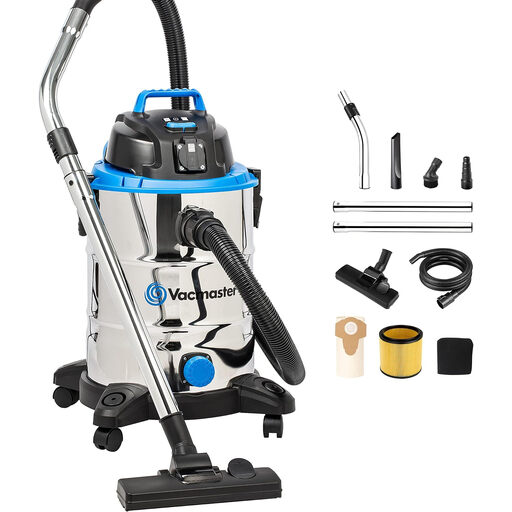
Why it suits this profile: This larger model is well suited to DIY jobs, workshops and households that regularly need to vacuum up large amounts of dry dirt or liquid.
According to the product specifications, the machine has a 30-litre tank, a foam filter for wet use and a drain plug. This makes emptying more straightforward than with a small container.
1.500 W motor, stainless steel tank, blower function, floor nozzle for carpets and hard floors, and an integrated EU socket for power tools.
We’ve put together a complete, up-to-date list of products that meet these strict selection criteria and current European safety regulations.
Only use a wet and dry vacuum cleaner for liquids it is designed to handle. Petrol, solvents, flammable liquids, hot ash and sharp objects should never go in a household vacuum cleaner. A robot vacuum with a mopping function is generally designed only for damp mopping and must not be used to vacuum up standing water.
Before use, check that the correct filter is fitted. Allow tanks, filters and brushes to dry completely. Only use cleaning products if the product manual allows it; the wrong product can cause excessive foaming or damage.
That depends on the model. A standard wet and dry vacuum cleaner sucks up liquid, but doesn’t automatically wash carpets. To clean carpets and sofas, you need a carpet cleaner or spot cleaner with a spray function, a brush and dirty water extraction.
Running costs mainly include electricity, filters, dust bags and, if needed, cleaning products. A larger model may use more electricity, while a cordless model may need a replacement battery over time. So check which accessories are included and whether replacement parts are available.
Empty the dirty water tank after every wet cleaning session. Rinse the tank, hose and brush after use, then leave them to dry. If you use the appliance every day, check the filter and brush several times a week. This helps maintain airflow and suction power.
