
Vandaag of morgen in huis

Kwaliteit gegarandeerd

Welkomstaanbiedingen ontgrendelen: GRATIS bezorging | Tot 80% korting | Gratis 30 dagen JoyPlus-proefperiode
Download de app
Wet wipes are handy for a quick clean-up, changing a nappy or providing personal care when you are out and about. However, baby wipes, cleaning wipes, moist toilet wipes and cleansing wipes differ considerably in composition and use. If you only look at the price or number of wipes, you may end up buying a pack that dries out, is unsuitable for the skin or does not work well for its intended purpose.
So, look out for these common pitfalls before ordering wet wipes.
A wipe designed for hard surfaces is not automatically suitable for hands or a baby’s skin. Cleaning wipes may contain fragrances and cleaning ingredients intended for kitchen worktops, tables or sanitary surfaces. Do not use them on the body.
Moist toilet wipes are not the same as baby wipes. Always check the product description and ingredients. If you are unsure about sensitive skin, fragrance-free wipes without alcohol are often a sensible first choice, although individual irritation can still occur.
Terms such as ‘mild’, ‘caring’, ‘natural’ or ‘biodegradable’ do not always tell you how a product will perform in your situation. Look for verifiable information:
If a brand makes a performance claim, treat it as a brand claim. According to Pampers’ own research, some Sensitive wipes are gentler than cleaning with cotton wool and water. This is not a general guarantee for every user. According to Dettol’s product information, the antibacterial wipes remove 99.9% of certain bacteria; follow the instructions for use and do not regard this as a medical claim.
A large pack may seem like good value, but it is less practical if you use only a few wipes or the pack does not close properly. An open pack can dry out more quickly. For a family, a multipack containing 780, 960 or 1,200 pieces may be practical, while a small pack is better suited to a handbag, car or holiday.
Compare the price per wipe, but also consider the size and thickness. A thicker wipe may absorb more dirt per use, meaning you may need fewer wipes. This depends on the application and is not a guaranteed saving.
For baby care and personal hygiene, softness, moisture and material are important points to check. Plant fibres, cellulose and non-woven fibres are commonly used. A claim such as ‘plastic-free’ or ‘100% biodegradable fibres’ should come from the product information. Also check that the wipe is suitable for its intended use.
For sensitive skin, look for:
Stop using the wipes if redness, irritation or discomfort occurs. Use wet wipes only on intact skin unless the packaging states otherwise.
A small baby wipe is suitable for a quick nappy change, but a larger disposable wash mitt is more practical for hands, feet or the whole body. The HeltiQ wash mitts are dry and not impregnated; you moisten them yourself with water. This can be useful when you want to control how much water you use.
The BC Babycare wipes’ product description states that they are three times thicker than many standard wipes and contain 3.8 times more moisture. These are product specifications from the information provided, not a universal comparison with every other brand.
A lid or securely closing tab helps retain moisture. Close the pack immediately after use and store it somewhere cool and dry, away from direct sunlight. Check the shelf-life information on the packaging. Do not use wipes that have dried out, changed colour or developed an unusual smell.
Always dispose of used wipes in the bin. Even wipes marketed as flushable can cause blockages. Do not flush them down the toilet.
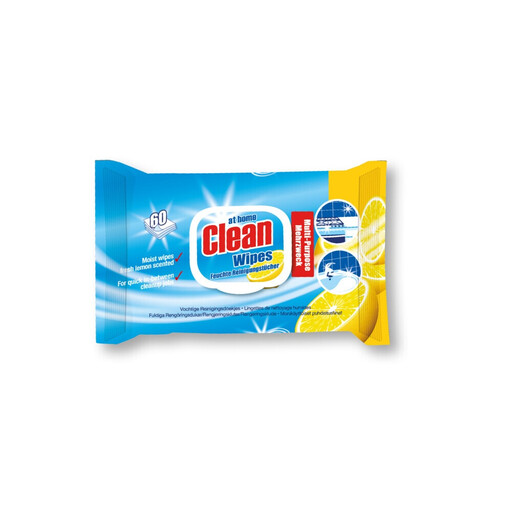
Why it suits this profile: A manageable pack for households that occasionally want to clean kitchen, bathroom or other hard surfaces.
The intended use on surfaces is clearly stated. According to the description, the product contains no bleach and is not intended for use on the skin.
55 pieces per pack; suitable for kitchen and bathroom surfaces; lemon fragrance.
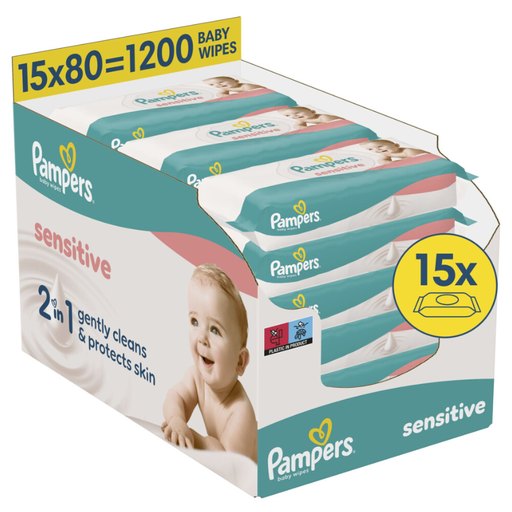
Why it suits this profile: For parents looking for a large supply of baby wipes who are particularly concerned about fragrance, alcohol and use from birth.
The product information states that the wipes are fragrance-free, alcohol-free and dye-free. The packaging has a seal to help prevent them from drying out.
1,200 wipes; suitable from birth according to the product information; pH-balanced formula.
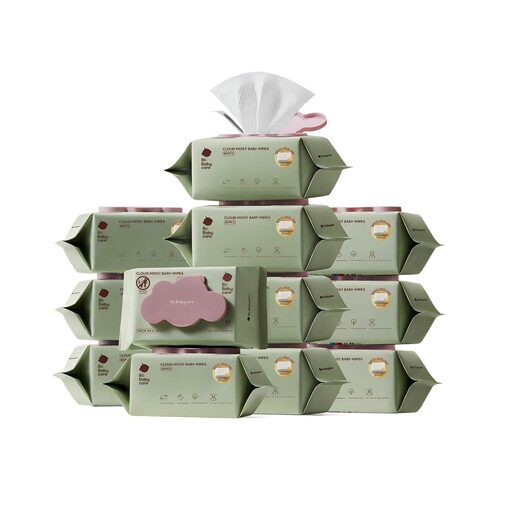
Why it suits this profile: For families who use a lot of baby wipes and value an unscented, thicker wipe and a large supply.
According to the product description, the wipes are unscented and made from plastic-free plant fibres. Keep the packaging tightly closed to help prevent them from drying out.
960 wipes; OEKO-TEX certificate number stated; plant fibres according to the product specification.
We have put together a complete, up-to-date list of products that fully meet these strict selection criteria and the applicable European safety regulations.
Preferably choose wipes with a clear list of ingredients and look for terms such as fragrance-free, alcohol-free and dye-free. A product claim such as ‘dermatologically tested’ comes from the brand and does not predict how every skin type will react. If in doubt, test the product first on a small area of intact skin and stop using it if irritation occurs.
The safest advice is: do not flush them. Wipes can cause problems in pipes and sewers, even when the packaging says they are flushable. Dispose of used moist toilet wipes, baby wipes and cleansing wipes in the bin.
Close the lid or tab immediately after each use and store the pack somewhere cool and dry, away from direct sunlight. Only buy a large multipack if you use the wipes regularly. For temporary use when out and about, smaller packs or wet wash mitts are often more practical.
