
Vandaag of morgen in huis

Kwaliteit gegarandeerd

Welkomstaanbiedingen ontgrendelen: GRATIS bezorging | Tot 80% korting | Gratis 30 dagen JoyPlus-proefperiode
Download de app
Wet wipes for sensitive skin may seem easy to compare at first glance. However, baby wipes, facial wipes and cleansing wipes can differ significantly in their materials, ingredients, moisture levels and packaging. Small details can make a big difference, particularly when you’re caring for a newborn, dealing with skin that reacts easily or using wipes every day.
Look out for these common pitfalls:
The liquid isn’t the only thing that matters for your skin: the material of the wipe is important too. Cotton, cellulose and other plant-based fibres feel different from synthetic non-woven fabrics. A thicker wipe can be more practical when changing a nappy, while a thinner option may be suitable for hands or the face.
The composition is especially important for cotton facial tissues designed for dry and wet use. Purcotton, for example, states that its product is made from 100% cotton, measures 20 × 20 cm and can be used for dry or damp cleansing. According to the product information, it contains no perfume, alcohol, fluorescent whitening agents or fabric softeners. Always check the current label, as product specifications may vary between packs.
Many consumers choose perfume-free and alcohol-free wipes for sensitive or eczema-prone skin. This rules out some commonly used ingredients, but it doesn’t automatically make a product suitable for everyone. Also check:
A short, straightforward ingredients list can be reassuring when choosing wipes for a newborn. WaterWipes states that some varieties contain more than 99% water, but also include ingredients such as aloe vera, glycerine and grapefruit seed extract. According to the manufacturer, the extract contains a trace of benzalkonium chloride. That’s exactly why it’s worth reading the ingredients rather than relying only on the front of the pack.
A very wet wipe can be useful for stubborn mess, but it may feel less comfortable if it leaves a lot of lotion behind. A thinner wipe may seem cheaper, but you might need to use more each time. So it’s worth checking:
A multipack can be practical if you use wipes frequently, such as when changing nappies several times a day. Smaller packs are easier to keep organised in a changing bag, on an upstairs and downstairs changing table, or when you’re out and about.
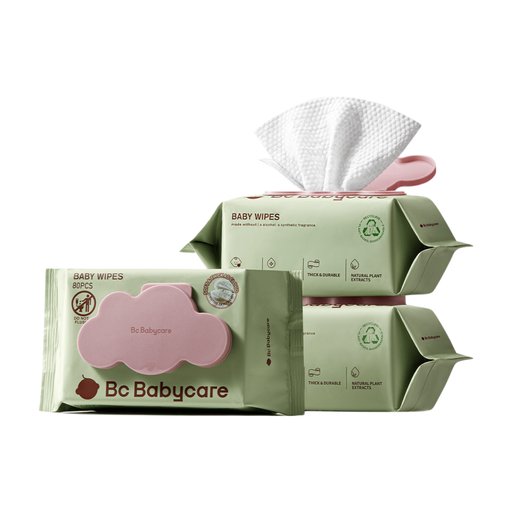
Why it suits this need: A manageable pack of 240 wipes, ideal for trying out an everyday option.
The manufacturer states that the wipes are perfume-free, made with purified water and come in a resealable pack. Be sure to check the current label before buying.
According to the product information, the wipes are 3 times thicker than many standard wipes, fragrance-free and made from plant-based fibres.
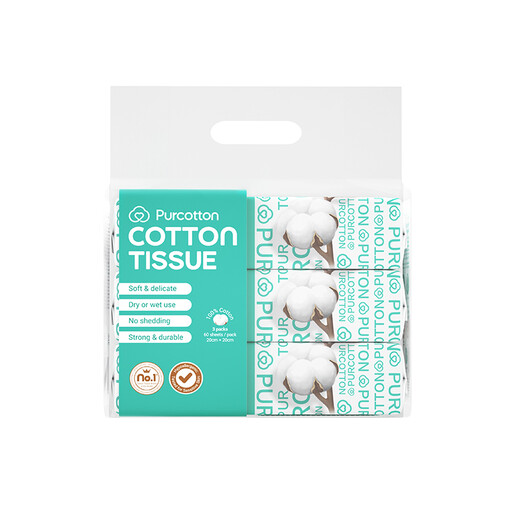
Why it suits this need: A good option if you’re looking for one soft wipe for your face, removing make-up, baby care and damp cleansing.
The product description explicitly states that it contains no perfume, alcohol or fabric softeners. These aren’t pre-moistened baby wipes: you dampen them yourself.
100% cotton, 180 sheets across 3 packs and, according to the product information, certified to OEKO-TEX STANDARD 100.
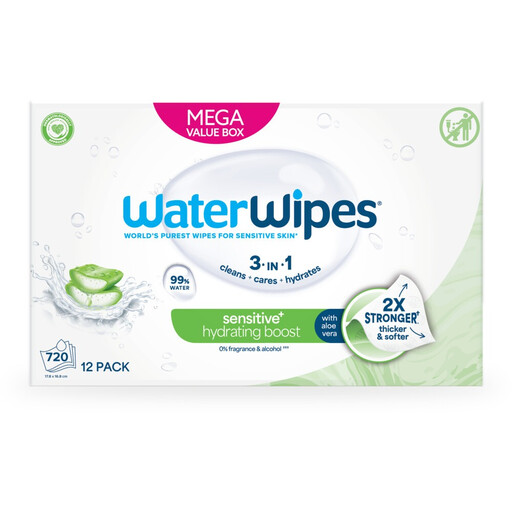
Why it suits this need: A practical choice for families who use lots of baby wipes and want to stock up.
The manufacturer states that the wipes contain more than 99% water, are perfume-free and are plastic-free and biodegradable. The ingredients list also includes aloe vera and other additives.
12 packs of 60 wipes, giving you 720 in total. According to the product information, they’re suitable for use from birth.
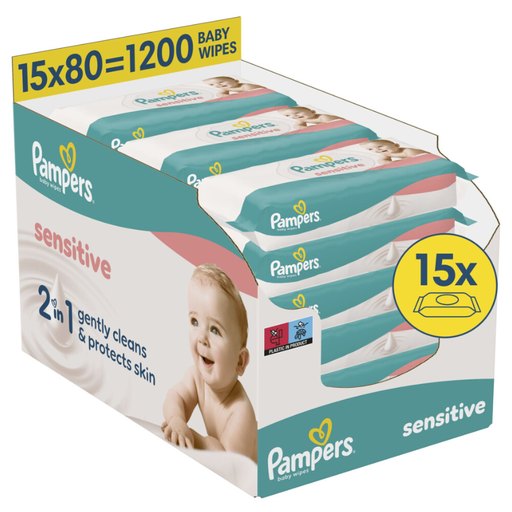
Why it suits this need: A handy option for households looking for a trusted bulk pack for nappy changes and everyday cleansing.
The manufacturer states that this variety is alcohol-free and perfume-free, and has a resealable closure. The formula does contain several additives, so check the label if your skin is very sensitive.
1,200 wipes in total, suitable from birth according to the product information and dermatologically tested.
We’ve put together a complete, up-to-date list of products that meet these strict selection criteria and the applicable European safety requirements.
It depends on the product information and the age guidance on the packaging. Some brands state that their wipes are suitable from birth, but you should also check the ingredients list and warnings. If you’re unsure, test a small area of skin first and stop using the wipes if you notice redness, irritation or discomfort.
Close the flap or lid straight after use and store the pack somewhere cool and dry. Try not to leave opened packs in a damp bathroom for long periods. Some manufacturers specify how long a product can be used after opening; if so, follow the information on the label.
The manufacturer may describe plastic-free baby wipes as biodegradable, but that doesn’t mean they’re suitable for the sewer system. Put used wipes in the bin. This helps prevent blockages and follows the usage warnings for the products discussed here.
