
Vandaag of morgen in huis

Kwaliteit gegarandeerd

Welkomstaanbiedingen ontgrendelen: GRATIS bezorging | Tot 80% korting | Gratis 30 dagen JoyPlus-proefperiode
Download de app
Wet wipes are handy when changing a nappy, when you’re out and about, travelling or giving something a quick clean. But not every pack is right for every situation. Wipes for a baby’s skin need different qualities from cleaning wipes for the kitchen worktop. And a large pack isn’t automatically better value if the wipes dry out before you use them.
Baby wipes, face wipes and cleaning wipes can look similar, but they aren’t interchangeable. Cleaning wipes often contain cleaning agents and fragrances that aren’t intended for use on skin. So don’t use them on your hands, face or a baby’s skin unless the packaging clearly says they’re suitable.
Wet toilet wipes also need a little thought. A ‘flushable’ label doesn’t mean you can flush large quantities without risk. Check local guidance and, if in doubt, put used wipes in the bin. Several product packs explicitly advise you not to flush them.
Terms such as ‘extra soft’, ‘natural’, ‘antibacterial’ or ‘for sensitive skin’ sound clear, but they don’t always tell you exactly what’s in the wipe. Check the ingredients, material, dimensions and usage warnings.
According to Pampers’ own information, some Pampers Sensitive wipes are free from alcohol, fragrance and colourants, and have been dermatologically tested. This describes the product specifications, but it doesn’t guarantee that every skin type will react in the same way. If redness or irritation occurs, stop using the wipes and follow the instructions on the packaging.
A pack of 1,200 baby wipes may look tempting, but the price per wipe isn’t the only thing to consider. Also look at:
A good resealable flap helps prevent the wipes from drying out. A large pack may be practical for a big family, while smaller packs are handier for a changing bag or handbag.
Many disposable wipes are made from non-woven fibres. Some products use plant-based or cellulose fibres and are marketed as plastic-free. This may be a relevant choice if you want to limit your use of synthetic fibres.
However, plastic-free doesn’t automatically mean a wipe can be flushed down the toilet. Even biodegradable wipes can cause blockages. Always check the packaging and follow the manufacturer’s disposal instructions.
For baby wipes and wipes for sensitive skin, a short, clear ingredients list and a secure closure are practical things to look for. Products without fragrance or alcohol may feel more comfortable for some people, but individual sensitivities are still possible.
Also be aware of the difference between ‘suitable for sensitive skin’ and a medical claim. A wipe is a skincare product, not a treatment. Use it only on the skin it’s intended for, and don’t use it on broken skin if the packaging advises against this.
A compact wipe is enough for a quick hand clean. For a nappy change or a bigger cleaning job, a thicker or larger wipe is more practical. According to the product information, Sleepy Wipes Easy Clean 4XL measure 25 × 25 cm. This is a verifiable detail and makes them a practical choice for larger surfaces.
A smaller, softer wipe may feel more comfortable on your face and skin. Compressed face wipes take up very little space, but you’ll need to add water before using them.
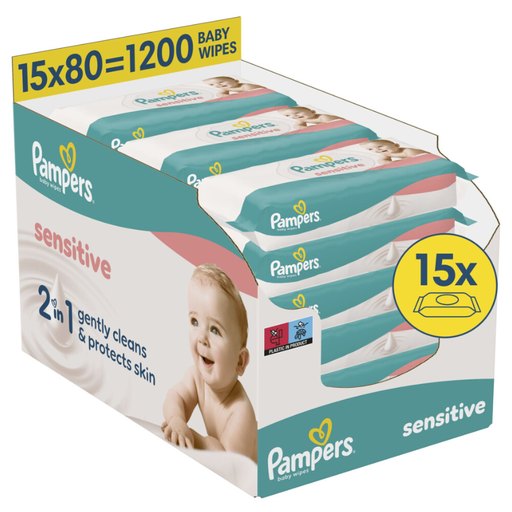
Why it suits this need: Households that use baby wipes regularly get a generous supply of 1,200. The individual packs are easy to share between the changing table, bag and car.
The product information states that the wipes contain no fragrance, alcohol or colourants. This makes their intended use clearer than it would be for a general-purpose wet wipe.
1,200 wipes, suitable from birth according to the product listing, and a resealable pack.
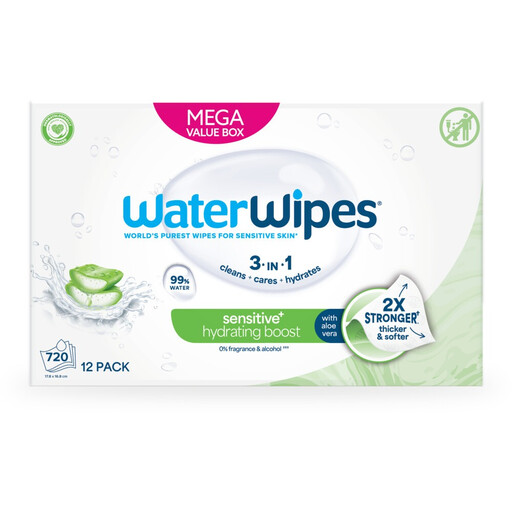
Why it suits this need: For parents who pay close attention to ingredients. The product description states that the wipes contain more than 99% water and aloe vera, with 720 wipes in total.
The product information clearly states the ingredients and total quantity. According to WaterWipes’ own information, the wipes are plastic-free and biodegradable; used wipes should still go in the bin.
720 wipes, described as plastic-free in the product listing, with no fragrance listed in the product specifications.
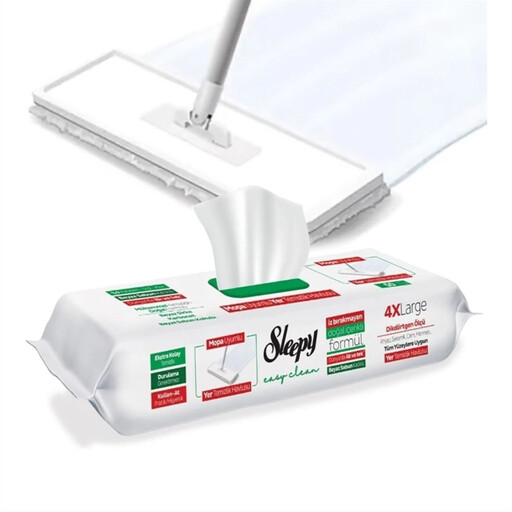
Why it suits this need: For households that regularly need to wipe up spills, dirt or larger surfaces quickly.
The 25 × 25 cm size is stated upfront, so you won’t end up buying a small wipe for a task that needs more coverage.
4XL size, 50 wipes per pack and a resealable pack according to the product details.
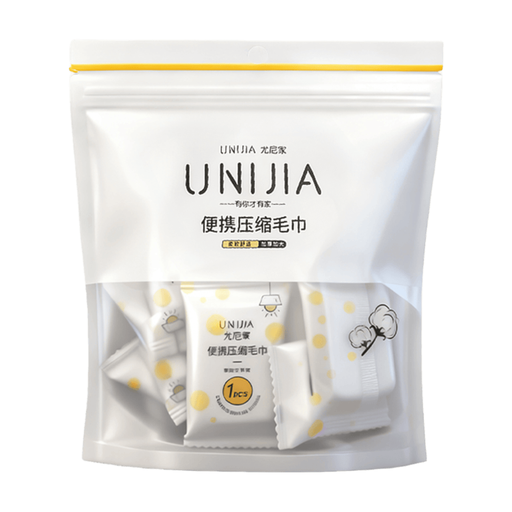
Why it suits this need: Compact wipes for travelling, sport or when you’re out and about. Just add water when you need them.
Their purpose is clear: these are dry, compressed face wipes that need water to expand. They’re not ready-to-use cleaning wipes.
20 wipes, an unfolded size of 30 × 24 cm and 100% plant-based fibres according to the product information.
We’ve put together a full, up-to-date list of products that meet these strict selection criteria and the applicable European safety regulations.
Shelf life varies from product to product. Check the date and the period after opening on the packaging. Reseal the pack straight after use and store it somewhere cool and dry, away from direct sunlight. An open pack will dry out more quickly, making the wipes less pleasant to use.
No. Check the specific instructions on the packaging and be cautious about flushing them. Even wipes labelled as flushable can contribute to blockages in practice, especially if several are flushed at once. That’s why the product information for various baby wipes clearly states that they must not be flushed down the toilet.
Divide the total price by the number of wipes. Then compare their size and thickness too. A cheaper wipe that you need two of may work out less economical than a slightly more expensive, larger wipe. For families, the number of wipes per pack also matters: several smaller packs often stay moist for longer than one very large pack that’s opened frequently.
