
Vandaag of morgen in huis

Kwaliteit gegarandeerd

Welkomstaanbiedingen ontgrendelen: GRATIS bezorging | Tot 80% korting | Gratis 30 dagen JoyPlus-proefperiode
Download de app
Wet wipes are handy for baby care, personal hygiene, facial cleansing, travel and household cleaning. However, not every pack is suitable for every purpose. A wipe for a baby's skin needs different properties to a cleaning wipe for the floor. What's more, low prices can be misleading if the wipes dry out quickly, tear easily or aren't right for your needs.
So don't just look at the number of wipes per pack. The composition, material, moisture content and intended use determine whether a purchase is practical.
The term “for sensitive skin” doesn't tell you enough on its own. Check whether there are any perfumes, alcohol, colourants or other ingredients that you or your child might be sensitive to. With baby wipes and wipes for sensitive skin, a short ingredients list can be clearer, but it's still important to read the label.
Stop using them if you notice redness, irritation or any discomfort. Product information and user reviews are no guarantee that every skin type will react the same way.
A value pack with hundreds of wipes can look appealing. If you use them regularly, that's practical, but an opened pack can dry out if the lid doesn't seal properly. What's more, some water-based wipes have a shorter recommended usage period after opening. So check the packaging and close each pack immediately after use.
Plastic-free wipes and biodegradable wipes are not automatically suitable for the toilet. Even cellulose or cotton fibres can cause blockages. Always dispose of used wet wipes in the general waste bin, unless your local waste information explicitly states otherwise. This also applies to disposable washcloths and facial wipes.
For heavy-duty use, thickness matters. A thin wipe can tear more easily or mean you need several wipes. For baby care, removing make-up or cleansing the body, a larger, thicker wipe can be more comfortable.
Look for verifiable information such as:
The Purcotton wipes are made from 100% cotton according to the product information and are designed for both dry and wet use. The C&S tablets, on the other hand, are compact and, according to the description, expand to a 24 × 30 cm cloth when you add water.
For daily use on the skin, fragrance-free wipes are often a logical choice if you want to avoid perfumes. Also look at alcohol, preservatives and caring ingredients such as glycerine or aloe vera. A product with “99% water” still contains other ingredients, so always read the full list.
For example:
Brand claims about skin-friendliness or protection should be read as information from the manufacturer. For instance, some WaterWipes products state that they are suitable for sensitive skin; this is a claim from the product information and not a medical assessment.
For home use, a large multipack can be good value. For a changing bag, gym bag or hand luggage, small packs or individually usable wipes are more convenient. A resealable pack helps retain moisture, but only when it's properly closed.
Also consider the difference between:
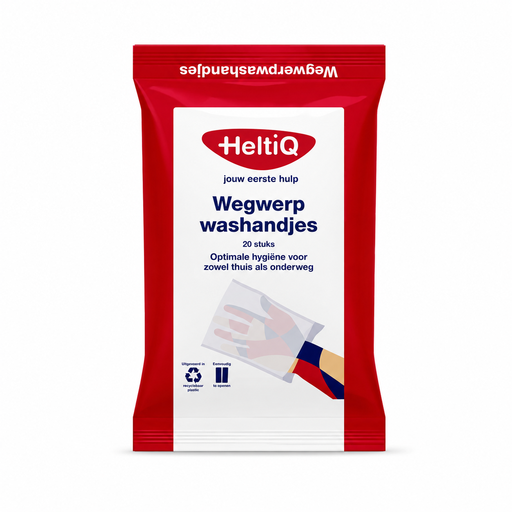
Why this fits the profile: These dry disposable washcloths give you control over the amount of water and are suitable for travel, camping, sport or a quick wash at home.
You're not buying a lotion that could dry out unused. The wipes are dry and are moistened with water as you use them.
20 pieces per bag, large size and non-impregnated non-woven material.
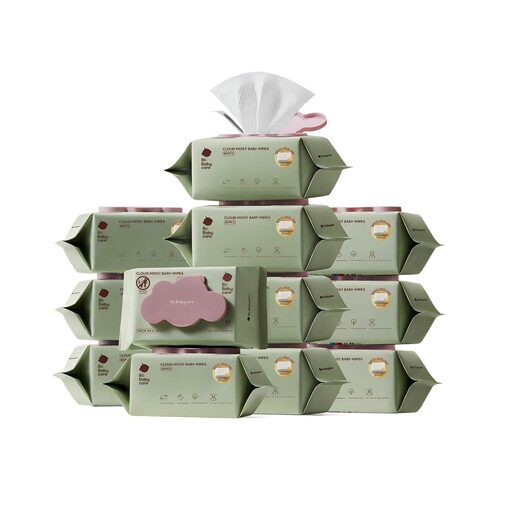
Why this fits the profile: A large multipack suits families who use baby wipes daily and value fragrance-free wipes with a clear material description.
The product information mentions an unscented formula and plant-based cellulose, so the key features are verifiable.
960 wipes, 99% purified water according to the product description and OEKO-TEX certification with the certificate number stated.
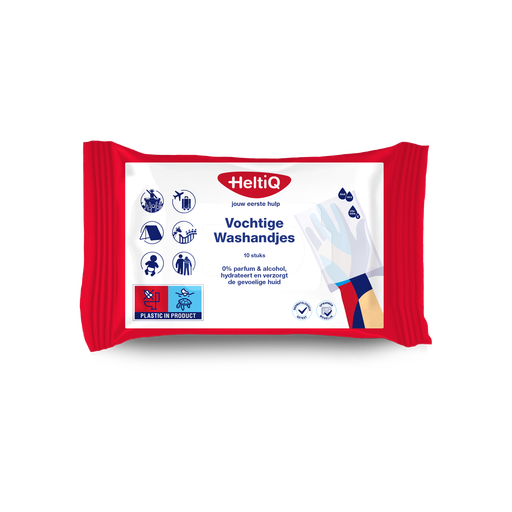
Why this fits the profile: These pre-moistened wipes are designed for body cleansing after sport, during travel or when washing with water is temporarily difficult.
The pack contains 10 individually usable cloths and is resealable. This means you can take a limited number with you and reduce the risk of drying out.
Pre-moistened non-woven material and, according to the product information, suitable for use on all skin types. Heating in the microwave should only be done following the stated instructions.
We've put together a full, up-to-date list of products that fully meet these strict selection criteria and comply with current European safety regulations.
Look for fragrance-free wipes with a short, clear ingredients list. Products with purified water, glycerine or plant-based fibres can be a practical choice, but always check the full composition and stop if irritation occurs.
Close the lid or sticker properly after each use. Do not store the pack in direct sunlight, on a warm radiator or in a damp bathroom. With large packs, it can help to take a smaller pack with you when you're out and about.
No, usually not. Biodegradable or plastic-free refers to the material, not whether they can be flushed. So dispose of used wipes in the general waste bin and follow the instructions on the packaging.
