
Vandaag of morgen in huis

Kwaliteit gegarandeerd

Welkomstaanbiedingen ontgrendelen: GRATIS bezorging | Tot 80% korting | Gratis 30 dagen JoyPlus-proefperiode
Download de app
Wet wipes are handy for changing nappies, travelling, exercising, removing make-up and everyday care. Yet one pack can look much like another. A low price may mean smaller wipes, packs that dry out quickly or ingredients that aren’t right for sensitive skin.
The main pitfalls to watch out for are:
Check whether the wipe is made from plastic fibres, cellulose, cotton, viscose or lyocell. Plastic-free wipes contain no plastic in the wipe itself, but that doesn’t automatically tell you anything about the packaging. “Biodegradable” also refers to how the material breaks down under certain conditions.
For sensitive skin, soft cotton face wipes or wipes made from plant fibres are worth considering. If you’d like the flexibility to use wipes dry or wet, you could choose a dry wipe and moisten it with clean water. This gives you more control over how much moisture you use and what goes into it.
For baby wipes and wipes for sensitive skin, fragrance-free wipes and alcohol-free wipes are often useful search terms. Also check whether the product contains colourants and which preservatives have been added.
Product descriptions may use terms such as “mild”, “nourishing” or “hydrating”. Treat these as information from the brand, rather than established medical effects. A brand may claim certain benefits based on its own research, but you may not notice them for yourself.
Use facial cleansing wipes mainly as a convenient way to cleanse on the go. You may need a separate cleanser for waterproof make-up or sun cream. Avoid contact with your eyes unless the packaging specifically says otherwise.
A secure lid or resealable pack can help prevent the wipes from drying out. Store them in a cool, dry place, away from prolonged direct sunlight or a hot car. Check the best-before date and any recommended period for use after opening.
Before you buy, check:
Put used wipes in your general waste unless the packaging clearly states that they can be flushed. Even then, it’s sensible to follow local guidance from your water company or council. Many products in this category are explicitly not flushable.
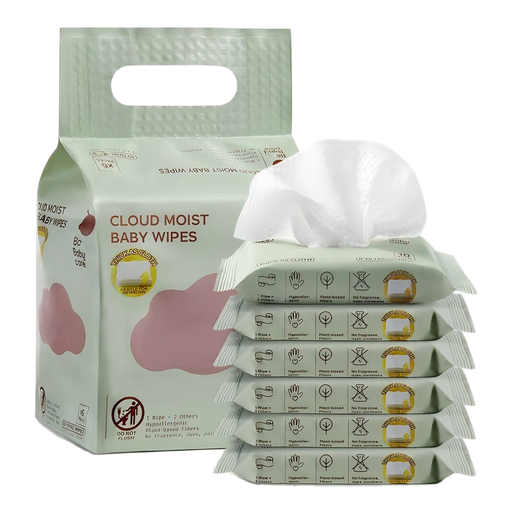
Why it suits this profile: A manageable pack of 60 wipes is a good way to try them out first, for example in a changing bag or when you’re out and about. The product information states that the formula is fragrance-free and OEKO-TEX certified under number 25.HUS.21538 Hohenstein.
The ingredients are clearly listed, and according to the product details, the wipes are fragrance-free. The smaller pack helps reduce the risk of ending up with unused stock.
60 wipes, plant fibres according to the product description, and a thickness that the manufacturer says is three times that of many standard wipes.
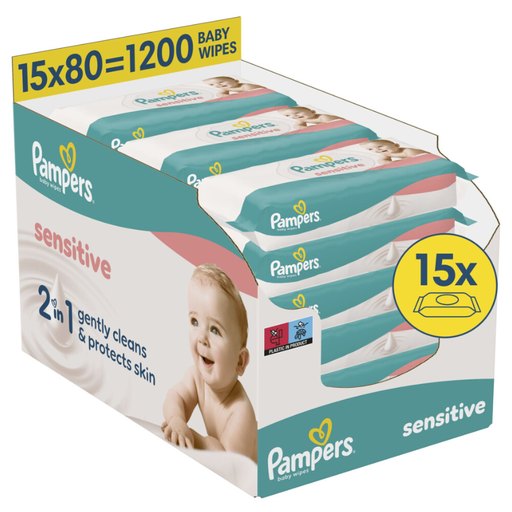
Why it suits this profile: This bulk pack is ideal for households that use baby wipes every day and would rather order new packs less often.
The product details state that the wipes are fragrance-free, alcohol-free and colourant-free. The pack has a seal to help prevent them from drying out.
1,200 wipes, suitable from birth according to the product information, with a pH-protecting formula as described by Pampers.
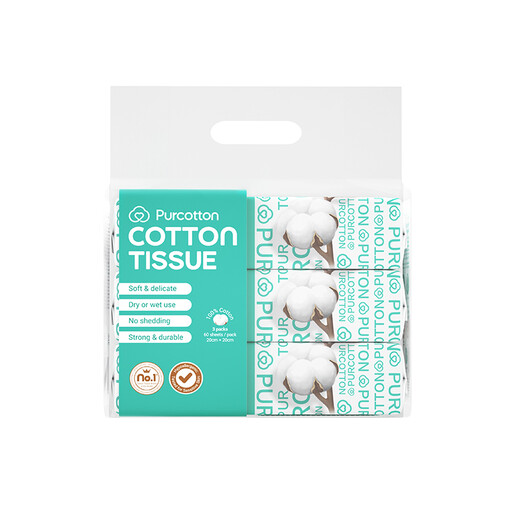
Why it suits this profile: These cotton face wipes are designed for dry and wet use. They’re suitable for facial cleansing, removing make-up, baby care and situations where you need a wipe that stays strong.
You add water yourself when needed, so you don’t have to rely on a pre-moistened lotion. The product information states that the wipes contain no fragrance, alcohol or fabric softeners.
100% cotton according to the product listing, suitable for dry and wet use, and OEKO-TEX STANDARD 100 certified according to the manufacturer.
We’ve put together a complete, up-to-date list of products that meet these strict selection criteria and the applicable European safety requirements.
It depends on the ingredients and how your skin reacts. If possible, choose wipes without fragrance or alcohol and check the full product information. If you’re unsure, try them on a small area of skin first. Stop using them if you notice redness, itching or a burning sensation.
Close the lid or resealable opening straight after use. Store the pack in a cool, dry place, away from direct sunlight. If you buy a bulk pack, it’s practical to open just one pack at a time.
Not necessarily. Biodegradable wipes aren’t automatically suitable for the sewer system. Check the packaging and follow the disposal instructions. Wipes that aren’t explicitly labelled as flushable should go in your general waste.
