
Vandaag of morgen in huis

Kwaliteit gegarandeerd

Welkomstaanbiedingen ontgrendelen: GRATIS bezorging | Tot 80% korting | Gratis 30 dagen JoyPlus-proefperiode
Download de app
Wet wipes are useful when changing nappies, travelling, cleaning or freshening up quickly. Even so, choosing the right ones online is not always as straightforward as it seems. A low price, for example, may come with fewer wipes per pack, while a product marketed as environmentally friendly is not automatically suitable for flushing down the toilet.
The main pitfalls are:
Baby wipes and bottom wipes are intended for external use on babies’ skin. Pay particular attention to:
A fresh scent does not automatically mean that a wipe is gentler. If your baby is prone to redness or sensitivity, sensitive baby wipes without fragrance or colourants may be a better choice. Stop using the product if irritation occurs and follow the instructions on the packaging.
Cleaning wipes, surface wipes and antibacterial wipes are made for hard surfaces. Check whether the manufacturer mentions kitchen worktops, tables, bathroom surfaces or other materials. If you are unsure, test the product on a small, inconspicuous area first.
The wording used for antibacterial claims is important. According to Dettol’s product information, for example, the brand claims that its Citrus wipes remove 99.9% of certain bacteria. This is a claim made by the brand, not a general guarantee for every situation. Read the label, take the contact time into account and do not use the wipe on skin unless this is expressly stated.
Moist toilet wipes can be used after dry toilet paper. However, not every wet wipe can be flushed down the toilet. Many baby wipes and cleaning wipes must go in general waste, even if they are thin or biodegradable.
Only flush wipes if:
Even products sold as flushable can cause blockages if used incorrectly. Use as few as possible and put ordinary wet wipes in the bin.
Wipes may be made from synthetic fibres, cellulose or other non-woven materials. A product described as plastic-free wipes may, according to the product information, use plant fibres or cellulose, for example. This does not automatically mean that it is suitable for flushing.
Pay attention to the difference between:
A thicker wipe can be useful for bigger cleaning jobs or when changing nappies. A smaller wipe is more convenient for carrying in a bag. Look at:
A product containing more moisture is not automatically more economical. The result also depends on the size and strength of the wipe. With compressed towels, you also need to add water before the wipe can be used.
For babies’ skin or sensitive skin, fragrance-free wipes and alcohol-free wipes are often a practical choice. Also check the complete ingredients list. “Water-based” does not mean that the product contains only water; preservatives, glycerine or plant extracts may also have been added.
A fragrance such as lemon or aloe vera may be pleasant for a particular use, but it will not suit everyone. Choose based on how you intend to use the wipes and your skin sensitivity, rather than on the marketing name alone.
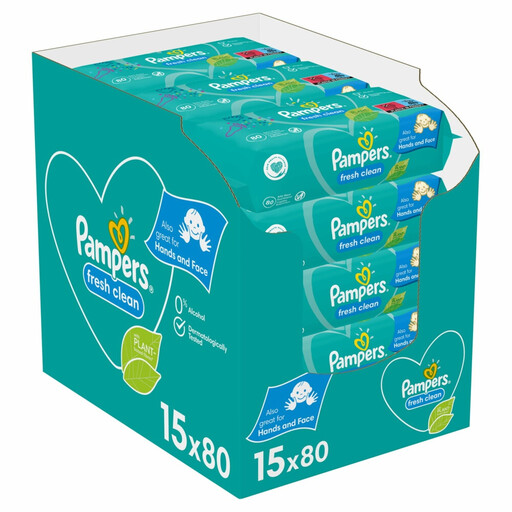
Why this suits the profile: A multipack containing 15 packs of 80 wipes is practical for everyday use in a household with a baby. According to the product information, the wipes are alcohol-free and intended for hands, face and bottoms.
The product information mentions a closure designed to help prevent drying out. Still, check that the pack closes properly when it arrives.
1,200 wipes in total; alcohol-free lotion and dermatologically tested according to the product description.
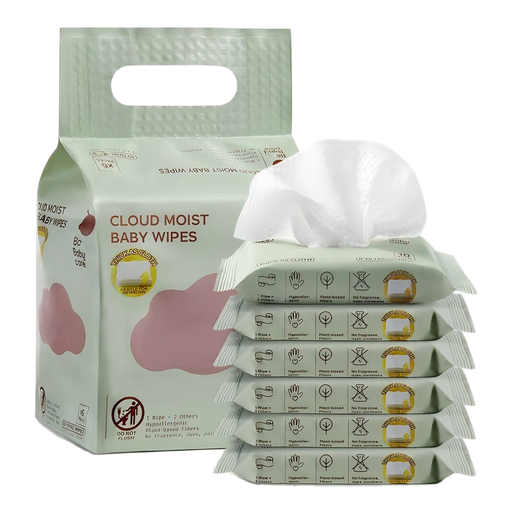
Why this suits the profile: The combination of fragrance-free material, a cellulose base and separate small packs is ideal for users who value detailed specifications and portability.
The product information states that the wipes are fragrance-free, alcohol-free and made from plastic-free cellulose. Do not use the wipes in the toilet; the packaging instructs you to put them in general waste.
60 wipes; according to the product information, 100% biodegradable plant fibres and OEKO-TEX certification number 25.HUS.21538.
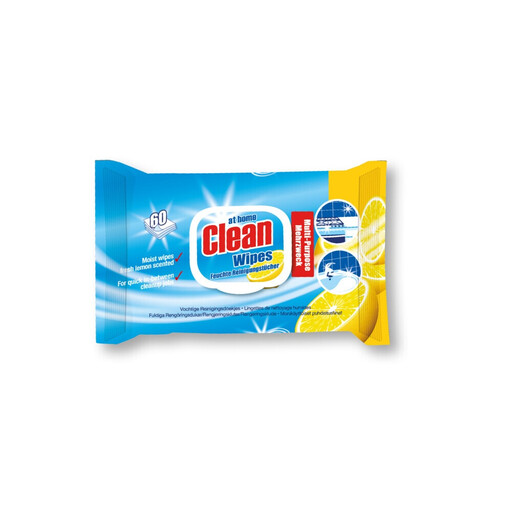
Why this suits the profile: These cleaning wipes are designed for everyday use on kitchen and bathroom surfaces, among others. The lemon fragrance suits households that appreciate a fresh scent while cleaning.
The product description explicitly mentions kitchens, bathrooms and hard surfaces. This makes the intended use clearer than with general wet wipes.
55 wipes; according to the product information, bleach-free and designed to remove grease, soap residue and dirt.
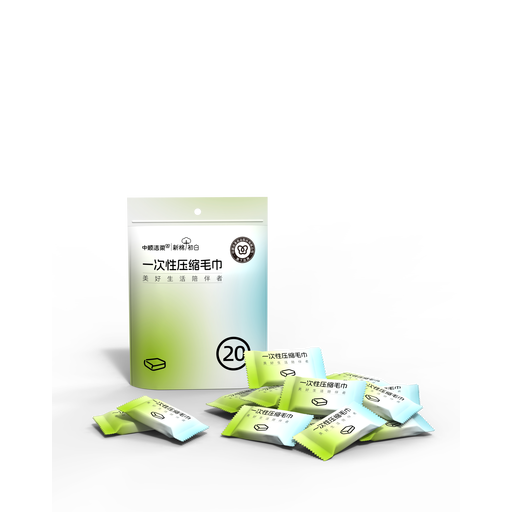
Why this suits the profile: The compact tablets take up very little space in a suitcase, sports bag or car. According to the product information, adding water expands them into wipes measuring 24 × 30 cm.
As they are stored dry, drying out before use is not a concern. However, remember the extra step: you need water to activate the tablet.
20 compact tablets; plant fibres, portable size and suitable for travelling, camping, sport and general hygiene.
We have put together a complete, up-to-date list of products that fully meet these strict selection criteria and the applicable European safety regulations.
This varies by product. Check the expiry date and any period-after-opening information on the packaging. Close the lid or adhesive seal immediately after use and store the pack in a cool, dry place away from direct sunlight. Throw wipes away if they smell unusual, have changed colour or are visibly dirty.
No. Ordinary baby wipes and bottom wipes belong in the bin. Only a product that is explicitly labelled as flushable and meets a relevant standard may be intended for this purpose. Always follow the instructions on the packaging and use moist toilet wipes sparingly.
A claim such as biodegradable or plastic-free says something about the material according to the product information, but not necessarily about the product’s overall environmental impact. Also consider the packaging, transport, disposal method and how the wipes are used. Never discard wipes outdoors and do not flush them unless this is expressly permitted.
