
Vandaag of morgen in huis

Kwaliteit gegarandeerd

Welkomstaanbiedingen ontgrendelen: GRATIS bezorging | Tot 80% korting | Gratis 30 dagen JoyPlus-proefperiode
Download de app
Wet wipes are handy for nappy changes, travelling, sports or removing make-up. Yet baby wipes, nappy wipes, toilet wipes and facial cleansing wipes differ greatly in their composition and intended use. If you only look at the price per pack, you could end up buying a type that dries out quickly, causes irritation or isn’t suitable for the toilet.
Packaging often uses terms like mild, caring or suitable for sensitive skin. Always check the ingredients list. Fragrance, essential oils and scent allergens may be less suitable for some users, even when a product is marketed as gentle.
For babies and people with sensitive skin, unscented baby wipes are often a practical choice. Also look out for preservatives and alcohol. A short ingredients list featuring, for example, purified water and mild humectants can help you avoid unnecessary additives. This doesn’t guarantee the product is suitable for everyone: stop using it if redness or irritation occurs.
Not all wet wipes can be flushed down the toilet. Ordinary baby wipes, hygiene wipes and many make-up remover wipes belong in the bin. Even with flushable toilet wipes, it’s important to follow the product instructions.
The product information for BC Babycare states that the Flushable Toilet Wipes have an IWSFG certification and a disintegration rate of 98.5% within 30 minutes according to the stated test information. Flush a maximum of one wipe at a time as per the instructions. Paper, kitchen roll and non-flushable wipes should never go down the toilet. With older pipes, a septic tank or if you’re unsure about your local drainage, disposing of them in the bin is the cautious option.
A low price per wipe doesn’t mean much if the wipes are too thin, tear easily or dry out quickly. So compare:
A pack of 960 wipes can be appealing for daily use, while a small pack of 60 wipes is more convenient for a nappy bag or weekend bag. Always close the packaging properly after use and store wet wipes in a cool, dry place away from direct sunlight.
If you’re looking for biodegradable wipes, you need to look beyond just the word “natural”. Check whether the wipe is made from 100% plant-based fibres or cellulose according to the product information, and whether it’s described as plastic-free. Biodegradable material doesn’t automatically mean the wipe can be flushed.
The BC Babycare Baby Wipes for Sensitive Skin are made from plastic-free, plant-based cellulose fibres according to the product information. The manufacturer also states 99% purified water as the base. However, these wipes are not flushable and must be disposed of in the bin after use.
For babies, young children and sensitive skin, the following features are worth checking and are relevant:
The BC Babycare variant mentioned states OEKO-TEX certification with number 25.HUS.21538 Hohenstein. A certification says something about the stated standard or product testing, but it doesn’t replace your own assessment of your skin.
For facial cleansing, the focus is different. Facial cleansing wipes and make-up remover wipes often contain cleansing agents, caring ingredients and sometimes fragrance. Check whether the variant is intended for normal, dry or sensitive skin. Avoid contact with the eyes, unless the product information expressly supports this.
A larger wipe can be practical for a nappy change or intensive cleaning. A thicker wipe is generally less likely to tear during use, but it can also take up more space in a bag. A sturdy flap or a well-sealing sticker helps to prevent moisture loss.
For daily use at home, multipacks are often practical. For on the go, small individual packs or compact packs are more convenient. Also check the expiry information and don’t use wipes whose smell, colour or texture has clearly changed.
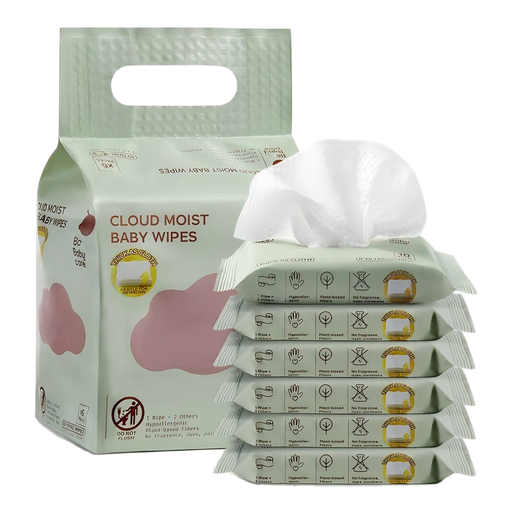
Why this suits the profile: A compact set of 60 wipes is ideal for trying them out first or for taking along in a nappy bag, car or weekend bag.
The product information states it is fragrance-free, contains 99% purified water and clearly notes that the wipes must not be flushed.
60 wipes, fragrance-free according to the product description and made with plant-based fibres.
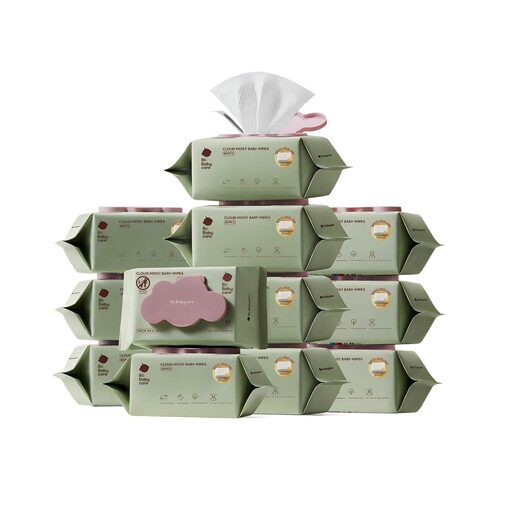
Why this suits the profile: A large multipack is ideal for families who use nappy wipes daily and want to keep a stock at home.
The product information states it is fragrance-free, 3 times the thickness of many standard wipes and comes with a resealable pack.
960 wipes, OEKO-TEX mention and plastic-free plant-based cellulose according to the product description.
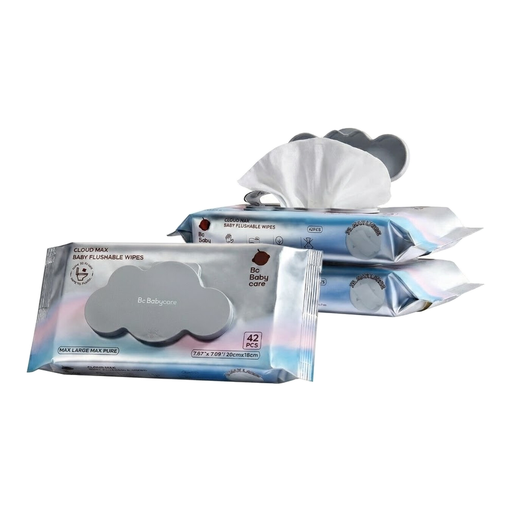
Why this suits the profile: Handy for potty training, family use and situations where toilet paper alone isn’t quite practical enough.
The product information states an XL size, plant fibres and flushability according to IWSFG information. Only flush one wipe at a time.
42 wipes per pack, fragrance-free according to the product information and intended for use by children and adults.
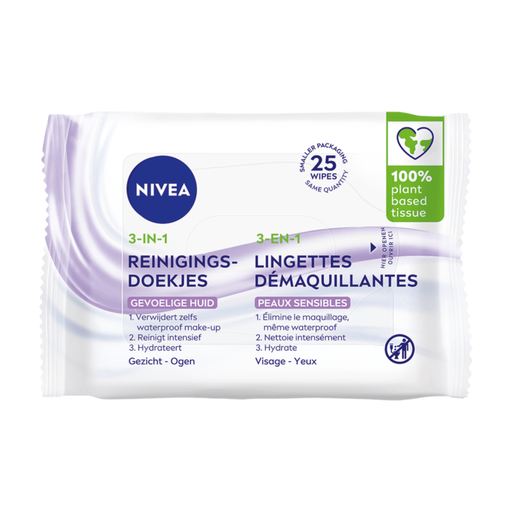
Why this suits the profile: A compact pack for anyone who wants to quickly remove make-up and daily impurities, for example after work, exercise or travelling.
According to NIVEA, the wipes are intended for sensitive skin and have been dermatologically and ophthalmologically tested. The ingredients list contains no mention of fragrance.
25 wipes, 100% plant-based fibres according to NIVEA and designed for removing make-up.
We’ve put together a full, up-to-date list of products that fully meet these strict selection criteria and comply with current European safety regulations.
That depends on the ingredients, the material and the usage instructions. Where possible, choose a variant that is fragrance-free according to the product information and intended for baby skin. Use wipes only externally, avoid the mouth and eyes, and stop if irritation occurs.
Only wipes that explicitly state this on the packaging and whose usage instructions allow flushing. With flushable toilet wipes, flush a maximum of one wipe at a time. Baby wipes, facial cleansing wipes and ordinary hygiene wipes belong in the bin.
Close the flap, sticker or packaging immediately after use. Store the pack in a cool, dry place and not in direct sunlight or near a heat source. With a large multipack, it can help to open one pack at a time and keep the rest sealed.
