
Vandaag of morgen in huis

Kwaliteit gegarandeerd

Welkomstaanbiedingen ontgrendelen: GRATIS bezorging | Tot 80% korting | Gratis 30 dagen JoyPlus-proefperiode
Download de app
Wet wipes seem simple: take one out of the pack and you can start cleaning straight away. But baby wipes, nappy wipes, face-cleansing wipes and wipes for on-the-go use can vary significantly in their material, moisture content and intended use. Choosing the wrong ones can leave you with a dried-out pack, irritated skin or wipes that aren’t suitable for flushing down the toilet.
Words such as “extra soft”, “natural” or “suitable for sensitive skin” don’t tell you much on their own. It’s better to check the type of fibre, ingredients list, size and moisture content. Some products also state whether they contain fragrance, alcohol or parabens.
When choosing wet wipes for sensitive skin, look out for:
A claim such as hypoallergenic should be understood as a product characteristic stated by the manufacturer, not a guarantee that nobody will experience a skin reaction. According to BC Babycare’s product information, some of its wipes are unscented and described as hypoallergenic. Stop using them if redness or irritation occurs.
A wipe may be made from biodegradable or plant-based fibres, according to the manufacturer, and still not be suitable for flushing down the toilet. For example, BC Babycare’s baby wipes state that they must not be flushed. Put these wipes in the bin after use.
Flushable toilet wipes need to be checked separately. According to the product description, “Bc Babycare Flushable Toilet Wipes 3 Packs × 42 Pieces” has IWSFG certification and breaks down by 98.5% within 30 minutes. If you flush them, use no more than one wipe at a time and follow local guidance and the instructions on the pack. If in doubt, putting them in the bin is the safer option for your pipes and drains.
A cheap pack isn’t always good value if the wipes are small, thin or dry out quickly. Check the number of wipes per pack, the size of each wipe and how the pack closes. A multipack may be more practical for everyday use with a baby, while a pack of 10 to 25 is easier to carry in a handbag or luggage.
Plant-based fibres, cellulose, viscose and lyocell all have different properties. A thicker wipe may absorb more dirt and be less likely to tear, but it also takes up more space. For its wipes for sensitive skin, BC Babycare states that they are three times thicker than many standard wipes. This is a manufacturer comparison, so check the packaging for the exact product specifications.
The Babycare Disposable Face Towels measure 200 × 200 mm, come in a pack of 192 and are designed for both dry and wet use. You can use them dry or dampen them with clean water. That makes them practical when you want to control how much moisture you use.
A good level of moisture helps you avoid rubbing the skin too hard. However, wipes that are too wet can leak or be awkward to use when you’re out and about. Look for ingredients such as purified water, glycerine and preservatives. With baby wipes, a short, easy-to-follow ingredients list is often easier to assess.
For adults with sensitive skin, unscented baby wipes can be a practical choice, but “baby” doesn’t automatically mean a product is suitable for every skin type. Test a new product on a small area of skin first, and avoid contact with the eyes and mucous membranes.
Use nappy wipes for changing, face-cleansing wipes for make-up and dirt on your face, and general-purpose wipes for hands or surfaces. A wipe designed for your face isn’t automatically suitable for cleaning, and a surface wipe shouldn’t be used on your skin.
According to the product information, NIVEA face wipes are designed to remove make-up and impurities. The Sensitive version lists provitamin B5 and glycerine among its ingredients and is described by the manufacturer as dermatologically and ophthalmologically approved. If you want to avoid fragrance or certain preservatives, always check the ingredients list.
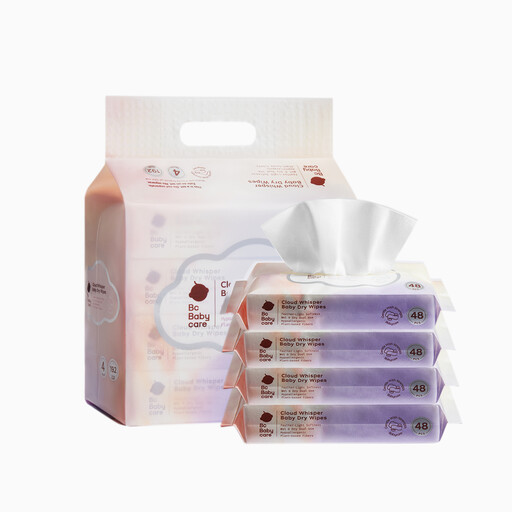
Why it suits this user: A large pack of 192 wipes is ideal for everyday use when changing, cleaning hands or freshening up quickly.
The 200 × 200 mm size and pack of 192 make it easy to check what you’re getting. According to the product information, these wipes are not flushable.
Suitable for dry and wet use; according to the product information, made from 100% plant-based viscose-lyocell fibres.
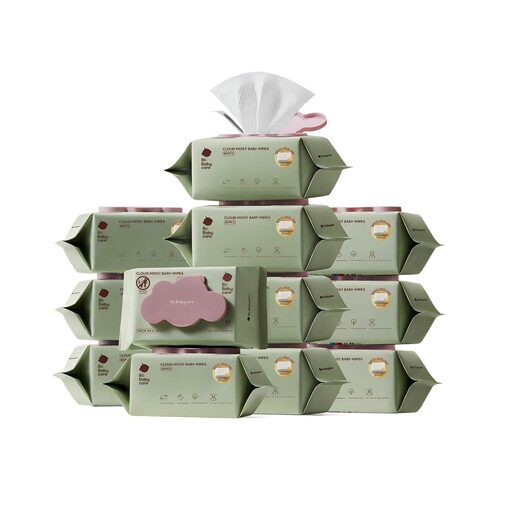
Why it suits this user: This multipack is ideal for households that use baby wipes every day and prefer unscented wipes.
The product information states that the wipes contain 99% purified water, are fragrance-free and have fibres three times thicker than many standard wipes. It also includes an OEKO-TEX certification reference.
960 wipes per pack; according to the manufacturer, made from plastic-free, plant-based fibres.
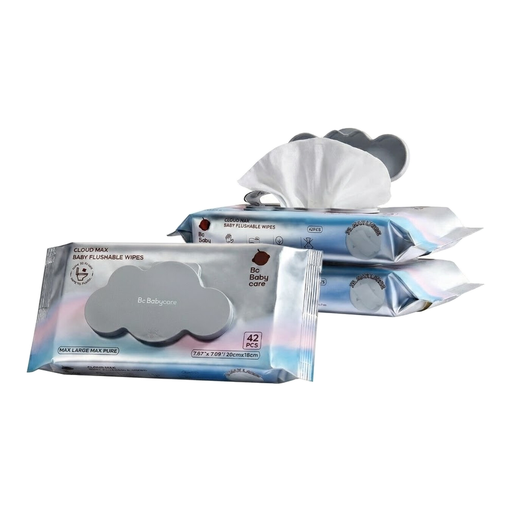
Why it suits this user: For families who want wipes for potty training or when they’re out and about, and are specifically looking for flushable toilet wipes.
The product description states that the wipes have IWSFG certification and advises flushing just one wipe at a time. Always check local rules for disposal too.
42 wipes per pack; according to the manufacturer, free from fragrance, parabens and colourants.
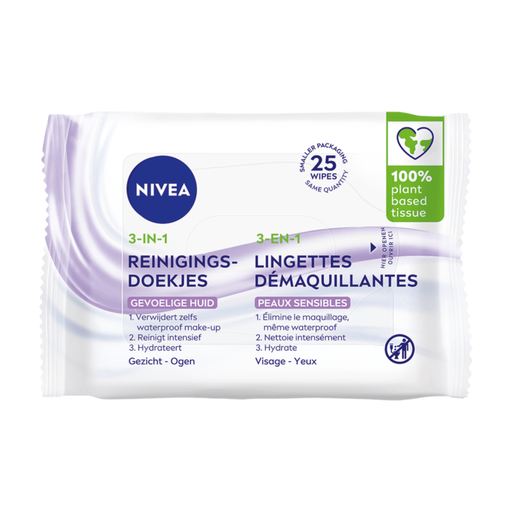
Why it suits this user: A compact pack for removing make-up and cleansing your face after work, exercise or travel.
This version is clearly intended for the face and is described as suitable for removing make-up and mascara. The pack contains 25 wipes, making it easy to keep track of how quickly you use them.
According to the product information, suitable for sensitive skin and made with 100% plant-based fibres; it does contain several preservatives.
We’ve put together a complete, up-to-date list of products that meet these strict selection criteria and the applicable European safety requirements.
It depends on the formula and the instructions on the pack. If possible, choose fragrance-free wipes and check the ingredients. Even with baby wipes, it’s best to stop using them straight away if irritation occurs, then rinse the skin with lukewarm water.
Close the lid or resealable strip fully after each use. Store the pack somewhere cool and dry, away from direct sunlight and heat sources. You can keep a large pack at home; when you’re out and about, take a smaller pack that you’re likely to use up sooner.
Only if the packaging clearly says they’re flushable and the wipes are certified for this purpose. Non-flushable baby wipes, make-up remover wipes and general-purpose cleaning wipes belong in the bin. Even with flushable toilet wipes, stick to one wipe at a time; if in doubt, don’t flush them.
