
Vandaag of morgen in huis

Kwaliteit gegarandeerd

Welkomstaanbiedingen ontgrendelen: GRATIS bezorging | Tot 80% korting | Gratis 30 dagen JoyPlus-proefperiode
Download de app
Wet wipes are handy when you’re out and about, changing a nappy or giving something a quick clean. However, many packs look more alike than they are in use. A fragranced pack does not automatically mean that the wipes are suitable for your skin. And a product described as “flushable” should not simply be flushed down every UK toilet.
The main pitfalls when buying wet wipes are:
Use a product that is suitable for the intended purpose:
A wipe suitable for several purposes may sound convenient, but read the product description first. “Suitable for hands, body and surfaces” is not the same as a product specifically developed for baby skin or facial cleansing.
For contact with the skin, alcohol-free wipes and fragrance-free wipes are often a sensible choice if you want to avoid fragrances or dryness. This does not guarantee that everyone will tolerate the product without problems. Stop using it if redness, itching or a burning sensation occurs, and follow the instructions on the packaging.
Also check:
Claims about aloe vera, micellar technology or a pH-balanced formula come from the brand’s or seller’s product information. A brand’s own research may suggest that a formula has certain properties, but this does not establish that it will work in the same way for every user.
Plastic-free wipes may be made from plant-based or natural fibres, but they must still be disposed of according to the instructions. Even with moist toilet wipes that claim to be biodegradable or meet a flushability standard, it is sensible to follow the instructions on the packaging and your water company’s guidance.
Where possible, put used wipes in a bin. Never flush baby wipes, cleaning wipes, facial wipes or ordinary disposable wipes. Even a wipe bearing the word “flushable” can contribute to blockages in practice, especially when several wipes are flushed at once.
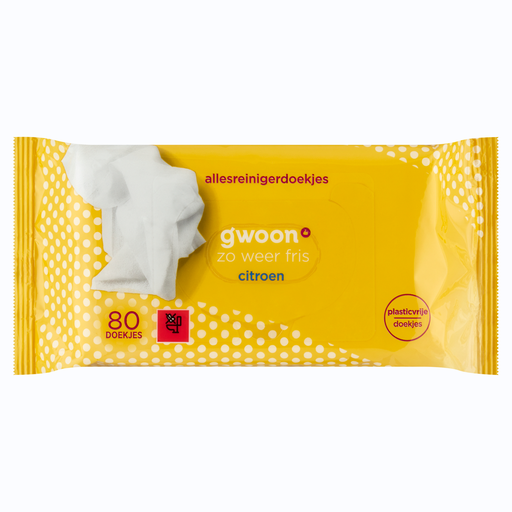
Why it suits this profile: A straightforward choice for everyday surface cleaning in the kitchen, bathroom or other areas of the home. The pack contains 80 wipes.
The product description clearly states that the wipes are suitable for various surfaces. This makes their intended use less ambiguous than with wipes described only in general terms as “multi-use”.
80 wipes per pack and a lemon scent according to the product information. Use the wipes only on surfaces for which the label says they are suitable.
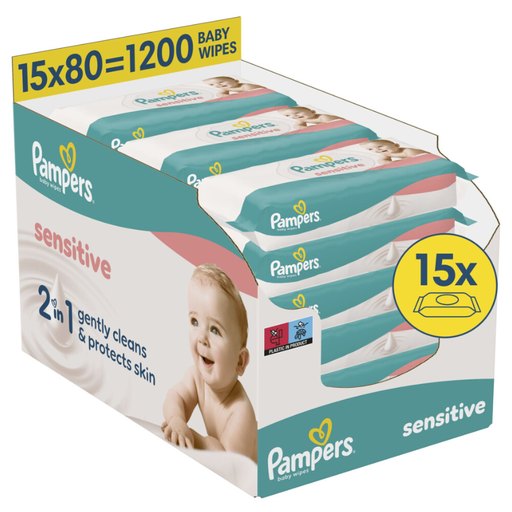
Why it suits this profile: Suitable for families who use a lot of baby wipes and prefer to keep a supply of fragrance-free and alcohol-free wipes at home.
The specifications state that the wipes are alcohol-free, fragrance-free, dye-free and suitable from birth. Check the current packaging when these properties are important to you.
15 packs of 80 wipes, making 1,200 in total. The packs have a closure to help limit drying out; used wipes should go in the bin.
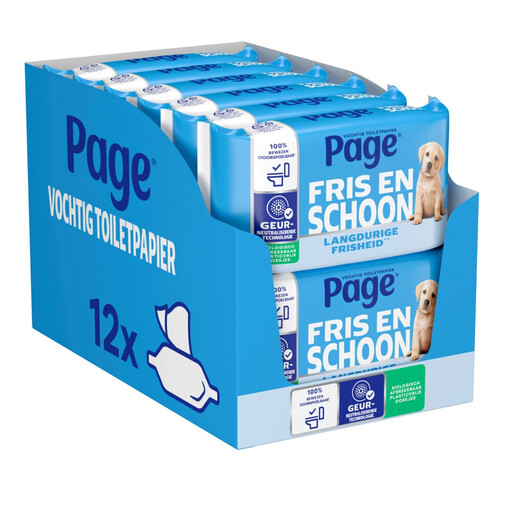
Why it suits this profile: An option for households that want to use moist toilet wipes after dry toilet paper, whether at home or while away.
The product information mentions the material, FSC certification and an INDA/EDANA standard. The packaging and local waste-disposal guidance remain decisive; flushing carries a risk of blockages.
12 packs containing 38 wipes each, made from natural fibres according to the product description. This variety has a light cotton scent.
We’ve put together a complete, up-to-date list of products that fully meet these strict selection criteria and the applicable European safety regulations.
Take one wipe per use and close the pack immediately afterwards. Store wet wipes in a cool, dry place away from direct sunlight. Check the expiry information and the period after opening on the packaging. A pack left open for a long time may dry out or become less pleasant to use.
Individually wrapped or compressed travel wipes are practical when you’re out and about. Compressed facial wipes, such as variants from YIJINCHAN, expand into a larger wipe when water is added. This saves space, but you do need access to clean water.
Do not use facial cleansing wipes as a replacement for a complete skincare routine unless the product specifically says that you can. With make-up remover wipes, you may need to rinse your face afterwards with water or use a suitable cleansing product.
This varies from product to product. Check the packaging for the expiry date or the recommended period after opening. Close the pack securely after each use and do not store it next to a heat source. A wipe that is dry, discoloured or smells different from normal is best not used.
Where possible, put moist toilet wipes in a bin. Even if a brand states in its own product information that the wipes meet a flushability standard, they can still cause blockages. Baby wipes, cleaning wipes and facial wipes must not be flushed.
According to the product information, fragrance-free wipes contain no added fragrance, but this does not guarantee that they will suit every user. Also check the alcohol, preservatives and other ingredients. If in doubt, test the product carefully first and stop using it if irritation occurs.
