
Livraison le jour même et le lendemain

Qualité garantie

Débloquez vos offres de bienvenue: Livraison GRATUITE | Jusqu'à -80 % | 30 jours d'essai gratuits à JoyPlus
Téléchargez l'application
Wet wipes come in handy when changing a nappy, after exercise, while travelling or when you want to remove your make-up quickly. However, baby wipes, nappy wipes, facial cleansing wipes and wipes for on the go can vary considerably in their ingredients, moisture levels and intended use.
Packaging terms such as “extra gentle”, “plant-based” or “flushable” don’t always tell you enough. Check the ingredients, fibres and instructions before you buy.
A wipe may be made from plant-based fibres but still contain additives, perfume or preservatives. And biodegradable doesn’t mean you can flush it down the toilet without any problems. Only products specifically designed for this purpose should be flushed. Always follow the instructions on the packaging and, if in doubt, put wipes in the bin.
Perfume can give wipes a fresh scent, but it isn’t right for everyone. If you have sensitive skin, fragrance-free wipes are often a more suitable choice. Check the ingredients list too, and stop using the wipes if you notice redness, irritation or a burning sensation.
A bulk pack may bring down the price per wipe, but wet wipes can dry out if the seal isn’t closed properly. Smaller packs are more practical for a changing bag or handbag. Larger packs are better for everyday use at home, as long as you store them somewhere cool and keep them tightly sealed.
Check the base material: cellulose, viscose, lyocell or a synthetic fibre. Wipes made with a plastic-free or plant-based fibre base may appeal to environmentally conscious shoppers, but always check exactly what the manufacturer says.
A thicker wipe may be less likely to tear and can offer better coverage when changing a nappy. For example, the product information for some BC Babycare varieties states that they are three times thicker than standard wipes. This is a manufacturer’s claim, so compare it with the dimensions, the number of wipes and how you plan to use them.
For babies and adults with sensitive skin, the following features may be worth considering:
Make-up remover wipes often have a different formula from nappy wipes. According to their product descriptions, NIVEA varieties are designed to remove make-up, mascara and dirt. Some contain panthenol, glycerine or plant oils; others contain perfume or fragrance allergens. Check which variety is right for your skin type.
Don’t put ordinary wet wipes down the toilet. Even if the packaging says “flushable”, it’s best to follow the instructions carefully and avoid flushing more than one wipe at a time. According to the product information, BC Babycare Flushable Toilet Wipes are marketed as flushable and the instructions say to flush one wipe at a time. However, local sewerage providers and water companies generally warn that wipes can cause blockages. If in doubt, putting them in the bin is the safest option.
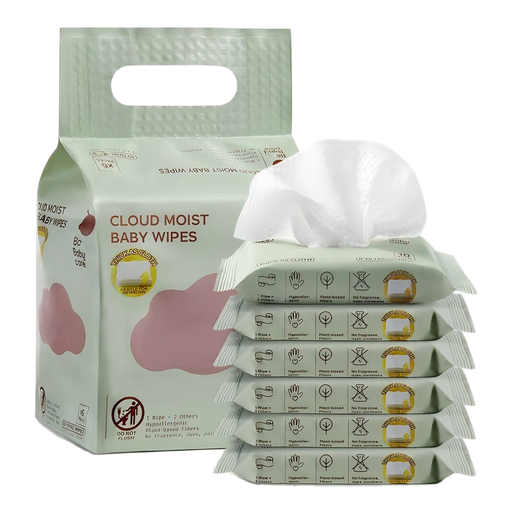
Why it suits this profile: The small packs are easy to take along in a changing bag or handbag. According to the product information, they are fragrance-free and designed for use on sensitive skin.
The product listing describes a plastic-free fibre base and advises putting the wipes in the bin. This helps avoid confusion between biodegradable and flushable.
60 wipes across six packs, fragrance-free and, according to the product information, made from 100% biodegradable plant-based fibres.
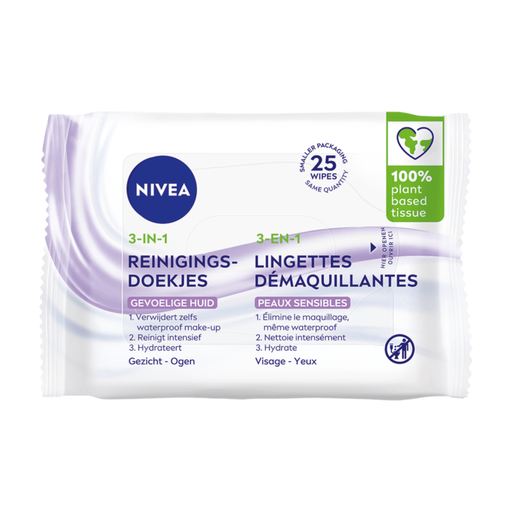
Why it suits this profile: These facial cleansing wipes are designed to remove make-up and mascara. According to the product description, they have been dermatologically and ophthalmologically tested.
Their intended use is clearly defined as facial cleansing. Check the ingredients, though, as “Sensitive” doesn’t mean every ingredient is suitable for everyone.
25 wipes, a 100% plant-based wipe material according to the product information, and designed for waterproof make-up and mascara.
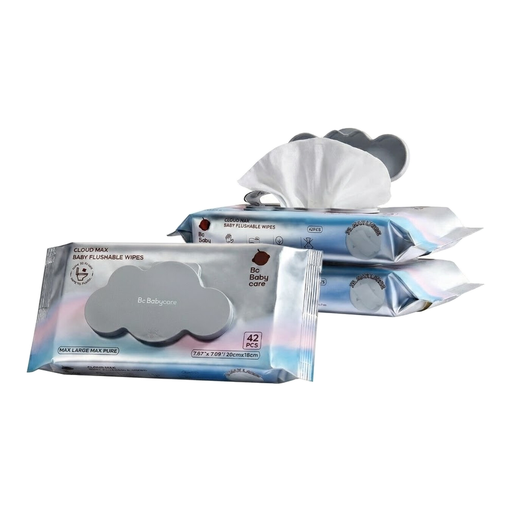
Why it suits this profile: This variety is intended for toilet use and may be handy during toilet training or when you’re out and about, as long as you follow the flushing instructions.
The product information says to flush one wipe at a time. Follow this instruction carefully, and put wipes in the bin if required by your drainage system or local guidance.
126 wipes, described in the product listing as free from perfume, colourants and parabens, in a size suitable for the whole family.
We’ve put together a full, up-to-date list of products that meet these strict selection criteria and the applicable European safety requirements.
It depends on the formula and your individual sensitivities. If possible, choose fragrance-free wipes with a simple ingredients list. A claim such as “dermatologically tested” is a manufacturer’s claim; it isn’t a guarantee that the product will suit everyone.
Check the best-before date and any information on the packaging about how long to use the wipes after opening. An opened pack may dry out or become contaminated more quickly. Make sure you close the seal fully after each use.
Only if the product is specifically designed for this and the instructions say you can. Flush no more than the stated amount, usually one wipe at a time. Ordinary baby wipes, nappy wipes and facial cleansing wipes should go in the bin.
