
Livraison le jour même et le lendemain

Qualité garantie

Débloquez vos offres de bienvenue: Livraison GRATUITE | Jusqu'à -80 % | 30 jours d'essai gratuits à JoyPlus
Téléchargez l'application
Wet wipes are useful for toilet use, personal care, baby care, travel and cleaning surfaces. However, many packs look more alike than they are in practice. A wipe may dry out too quickly, tear while you are wiping or be unsuitable for the skin.
The main pitfalls are usually not the colour or scent, but small details on the packaging.
When it comes to flushable wet wipes, it is important to check the underlying standard or certification. A pack may state that the wipes are flushable, but that does not mean you should flush several wipes at once. Older pipes, a small drain or a septic tank may also be more vulnerable.
Therefore, check:
A non-flushable wipe should always go in the bin. This applies, for example, to many hygienic body wipes, single-use wash mitts and surface cleaning wipes.
Words such as “mild”, “natural” or “for sensitive skin” do not say much on their own. Look at the ingredients and the design of the product. Fragrance-free wipes may be a sensible choice for some users, while other variants contain fragrance or plant extracts.
Pay particular attention to:
According to the product information from BC Babycare, the Flushable Toilet Wipes are fragrance-free, dye-free and paraben-free. This is a product specification, not a guarantee that every skin type will tolerate these wipes without problems.
Moist toilet paper, body wipes and antibacterial cleaning wipes are designed for different uses. A cleaning wipe for a worktop is not intended for the skin. A moist toilet wipe, meanwhile, is not suitable for cleaning a table or door handle.
Use the product category as your first filter:
The material determines how sturdy and soft a wipe feels. Plant fibres, viscose and cellulose are often used as alternatives to synthetic fibres. Also consider the amount of lotion or water. A very dry wipe may create more friction and feel less comfortable to use.
According to the product description, BC Babycare Wet Wipes are made from plastic-free cellulose fibres and contain purified water with moisturising ingredients. The packaging also states that they have a thicker construction. For every product, check that these features are actually included in the product specifications.
For flushable wet wipes, fibre structure, breakdown speed and a stated testing method are more important than the word “flushable” alone. For the BC Babycare Flushable Toilet Wipes, the manufacturer states that they are IWSFG-certified and achieve 98.5% disintegration within 30 minutes. This is a claim from the brand’s product information; you should also always follow local regulations and the instructions on the packaging.
According to the manufacturer, PAGE Moist Toilet Wipes state compliance with the INDA/EDANA standard for flushability. Even so, it is advisable to flush one wipe at a time and use the bin if in doubt.
A secure seal helps prevent wipes from drying out. A lid or resealable pack is practical for everyday use. Individual packs are convenient for a bag, sports club or travel, but may mean using more packaging material.
Do not compare only the number of wipes; consider their size as well. An XL wipe may be more practical per use, while smaller wipes take up less space. Store all variants in a cool, dry place, close the pack immediately after use and do not use wipes that are visibly dried out or dirty.
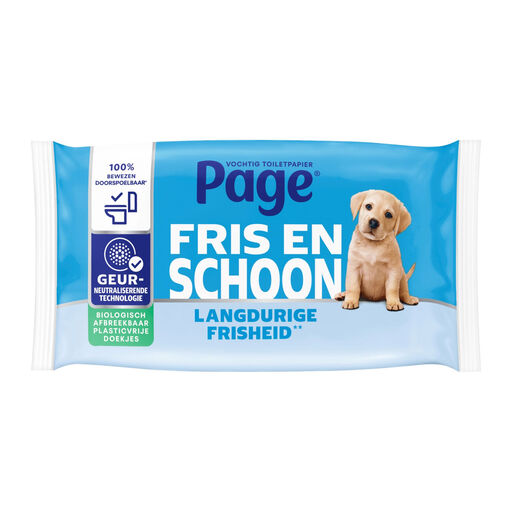
Why it suits this profile: A compact pack with 38 wipes for regular toilet use alongside dry toilet paper.
The product information mentions the INDA/EDANA standard, plastic-free natural fibres and recyclable packaging.
38 pieces, FSC statement, natural fibres and a fresh cotton scent according to the product description.
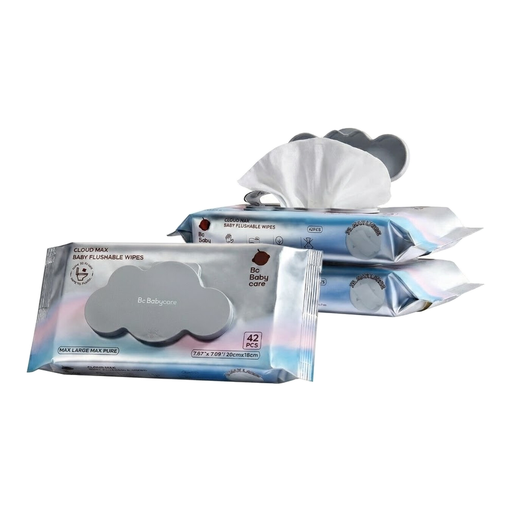
Why it suits this profile: Suitable for families looking for a larger wipe and clear information about the material and intended use.
According to BC Babycare’s own information, the wipes are IWSFG-certified and intended to be flushed one at a time.
Three packs of 42 pieces, XL size, 99% water and 100% plant-based fibres according to the product information.
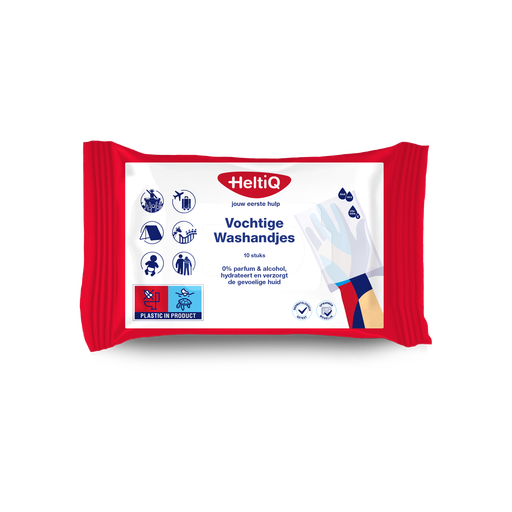
Why it suits this profile: Practical for sport, travel, home care or situations when washing with water is temporarily not possible.
The pack contains 10 individual wash mitts, is resealable and clearly states: do not flush.
Contains aloe vera and vitamin E according to the product information; the wipes can be briefly warmed according to the instructions.
We have put together a complete, up-to-date list of products that fully meet these strict selection criteria and the applicable European safety regulations.
Follow these simple rules for everyday use:
For surfaces, At Home Clean Hygienic Wipes or Sleepy Wipes Easy Clean are logical alternatives. Do not use these on the skin unless the packaging expressly states that they are suitable. According to the product information, Dettol Cleaning Wipes contain cleaning agents and fragrance. The claim that they remove 99.9% of bacteria is a brand claim and should therefore be considered alongside the label and instructions for use.
Only if the product is intended for this purpose and the packaging states a relevant flushability claim or standard. Flush a maximum of one wipe at a time, and do not put wet wipes for the skin, cleaning wipes or dry wash mitts down the toilet.
Close the pack properly after every use and do not store it in direct sunlight or near a heat source. Individual packs are often more practical when you use wipes only occasionally, for example while travelling.
This varies from one product and person to another. Check the ingredients, look out for fragrance and, where appropriate, choose a fragrance-free variant. Claims such as “hypoallergenic” or “suitable for sensitive skin” come from the brand’s product information and are not a personal guarantee. Stop using the product if irritation persists.
