
Livraison le jour même et le lendemain

Qualité garantie

Débloquez vos offres de bienvenue: Livraison GRATUITE | Jusqu'à -80 % | 30 jours d'essai gratuits à JoyPlus
Téléchargez l'application
Wet wipes are handy for on the go, after changing a baby, or for a quick clean-up. Yet many packs look more alike than they are in use. A wipe can be too thin, dry out quickly, or turn out to be unsuitable for the skin you bought it for.
The most important question, therefore, is not just how many wipes you get, but what you use them for, what ingredients they contain, and how you should dispose of them. Below you will find practical buying tips for baby wipes, moist toilet wipes, cleaning wipes and fragrance-free wipes.
A soft texture says little about fragrance, preservatives or other ingredients. For babies and people with sensitive skin, fragrance-free wipes with a clear ingredients list are often a logical choice. Also check warnings such as “for external use only” and avoid contact with eyes and mouth.
If irritation occurs, stop using the product. A product description or certification mark does not replace a personal assessment of your skin.
Biodegradable wipes do not automatically belong in the toilet. According to the product information, Bc Babycare wipes are made from biodegradable plant-based fibres, but they should still go in the general waste. The g’woon Wet Toilet PAPER 80 Sheets also states that you must not flush them.
Only use flushable toilet wipes when the packaging clearly states this. Even then, it is wise to follow local regulations and the instructions for your drainage or septic tank system. Products that, according to their description, meet the INDA/EDANA standard for flushability are specifically designed for this purpose, but do not flush several wipes at once unless the packaging allows it.
A multipack can be convenient for a family, but only if the wipes stay properly sealed. A poorly closing flap can cause wet wipes to dry out. Look for a resealable opening, a plastic lid, or separate small packs for use on the go.
Therefore, compare the price per wipe, the size and the thickness. A thicker wipe may use less product in some situations, but always check the concrete product information rather than treating marketing claims as established results.
For baby care and personal hygiene, good moisture distribution and tear resistance are practically important. Bc Babycare, for example, mentions a wipe that is three times thicker than many standard wipes and has a plant-based fibre base. These are product specifications from the product description; actual use may vary depending on the situation.
For cleaning wipes, the emphasis is different. A wipe for glass, such as At Home Clean Hygienic Wipes - Glass, is intended for windows and mirrors. Do not use a cleaning wipe on the skin, and do not use baby wipes as a universal solution for hard surfaces.
If you are looking for wet wipes for sensitive skin, you can look for:
The Bc Babycare variant mentions 99% purified water, glycerine and a fragrance-free composition. The product information also mentions an OEKO-TEX certification with number 25.HUS.21538 Hohenstein. Check the packaging at the time of purchase, as formulations and certification information may change.
Make a distinction between:
Products from Page and Completely Clean are offered according to their product description as plastic-free, biodegradable and flushable. The Page Fresh & Soft variant also states no fragrance, alcohol or colourants. For Selpak Wet Adult Toilet Paper, a maximum of one or two wipes at a time is mentioned, if your drainage system allows it.
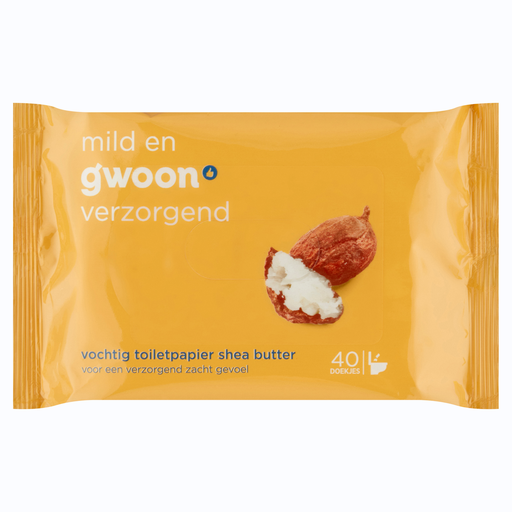
Why this fits the profile: A compact pack of 40 wipes is suitable for trying out first or taking with you. The variant contains shea butter according to the ingredients list.
The product information clearly states that you must not flush these wipes. This prevents biodegradability from being confused with flushability.
40 wipes per pack; ingredients include glycerine and PEG-75 shea butter glycerides according to the product information.
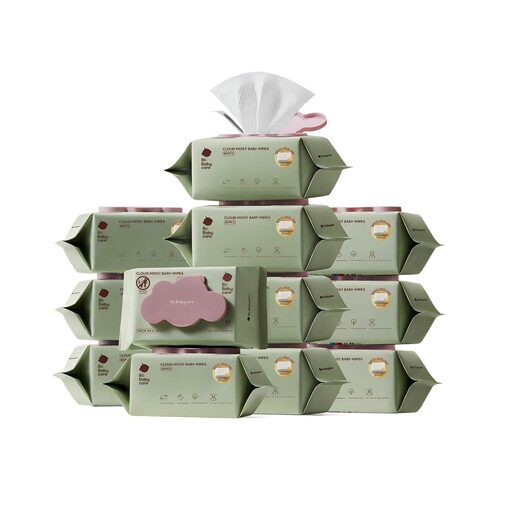
Why this fits the profile: Parents who regularly use baby wipes get 960 wipes, with a fragrance-free composition and plant-based fibres according to the product description.
The pack is large, but the instruction remains clear: dispose of after use and do not flush. Seal the pack well to limit drying out.
12 packs of 80; unscented; OEKO-TEX certification number 25.HUS.21538 Hohenstein according to the product information.
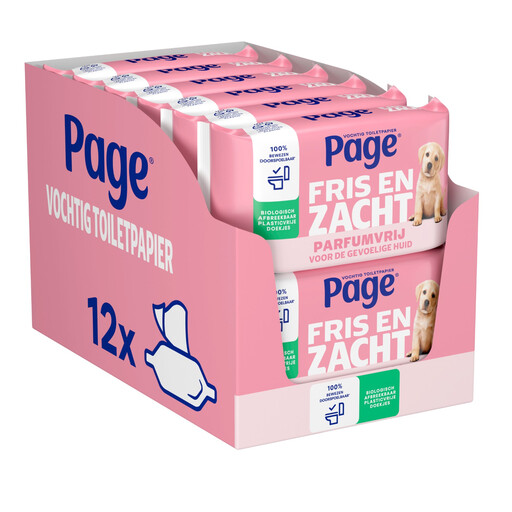
Why this fits the profile: For daily use after toilet paper, this stock provides 456 wipes. The product information states the variant is suitable for sensitive skin.
The product description explicitly states fragrance-free, plastic-free and flushable. Nevertheless, check the current packaging and local drainage rules.
12 x 38 wipes; pH-skin neutral; without fragrance, alcohol and colourants according to the product data.
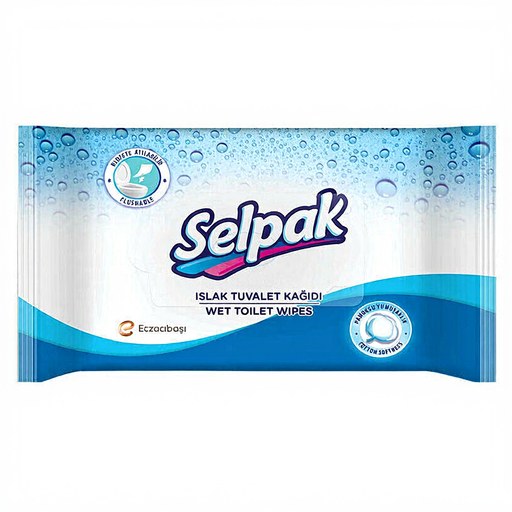
Why this fits the profile: The resealable pack is practical for a bag, office or holiday. This is adult toilet paper with 42 wipes per pack.
The product data states alcohol-free, fragrance-free and flushable. It also says to flush one or two wipes at a time if your drainage system allows it.
42 wipes; resealable pack; aloe vera and vitamin E according to the product description.
We have compiled a full, up-to-date list of products that fully meet these strict selection criteria and current European safety regulations.
No. Only wipes whose packaging explicitly states they are flushable are intended for this purpose. Baby wipes, nappy wipes and cleaning wipes belong in the bin. Also check local regulations and the suitability of your drainage or septic tank.
Close the lid or pack immediately after use. Store the wipes in a cool, dry place, out of direct sunlight and away from heat sources. Small packs are practical when you use few; multipacks are more convenient for families who use wipes daily.
Fragrance-free only means that no fragrance has been added according to the product information. It does not mean that everyone can tolerate the product without issues. Check the full ingredients list, follow the warnings, and stop using if redness, itching or other discomfort occurs.
