
Livraison le jour même et le lendemain

Qualité garantie

Débloquez vos offres de bienvenue: Livraison GRATUITE | Jusqu'à -80 % | 30 jours d'essai gratuits à JoyPlus
Téléchargez l'application
Wet wipes seem simple: grab a pack, choose an attractive price and you’re done. But they can vary considerably in ingredients, size, moisture level and intended use. Wipes for a baby’s skin need different qualities from wipes for removing make-up or cleaning a greasy kitchen worktop.
Most disappointing purchases come down to three common pitfalls:
Start by considering what you’ll use them for. This helps you avoid buying a product that isn’t designed for your needs.
The ingredients list tells you more than eye-catching claims on the front of the pack. Look for fragrance, alcohol, glycerine, aloe vera and preservatives. Fragrance-free wipes aren’t essential for everyone, but they can be a sensible choice if you want to avoid fragrances.
For baby wipes, “99% water” describes the formula; it doesn’t guarantee that every baby will tolerate the product without any problems. If you’re unsure, test it on a small area of skin first and stop using it if irritation occurs. Don’t use facial wipes to care for wounds unless the product is specifically designed for that purpose.
Claims such as “dermatologically tested”, “suitable for sensitive skin” or “hypoallergenic” should be supported by the product information or packaging. According to the manufacturer, certain NIVEA facial wipes have dermatological and ophthalmological approval. Treat this as product information, not a guarantee that the product will suit you personally.
If you’re looking for biodegradable wipes, check whether the claim applies to the wipe itself or the packaging. According to the product information, BC Babycare wipes are made from plastic-free plant-based fibres and are listed as OEKO-TEX certified. The packaging still needs to be disposed of correctly.
“100% plant-based” also tells you nothing about how moist the wipes will be after being stored for a long time. Keep every pack closed, out of direct sunlight and away from heat sources. Reusable kitchen cloths can help reduce the number of disposable wipes you use, but they need to be washed regularly and dried hygienically.
Compare the price per wipe, not just the price per pack. A pack of 25 facial wipes is handy for occasional use; a multipack containing hundreds of baby wipes is better suited to families who change nappies every day.
Also check the shelf life after opening. According to the product information provided, WaterWipes recommends using an opened pack of a particular variant within one month, while other products specify a longer period after opening. The information on the packaging takes precedence.
A resealable lid helps prevent the wipes from drying out. Don’t pull several wipes out at once, and close the lid as soon as you’ve finished.
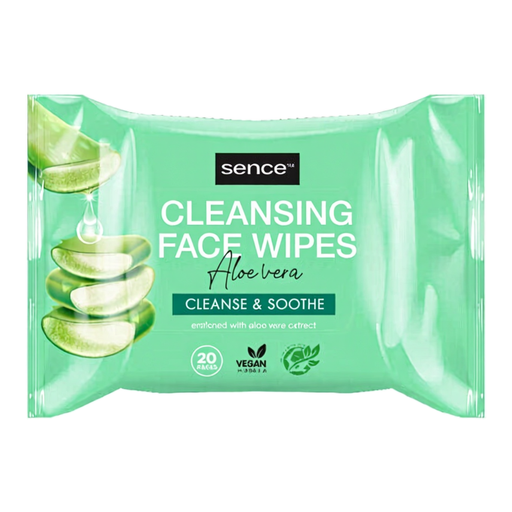
Why it suits this profile: A compact pack of 20 facial wipes is handy for daily or occasional use when you don’t need a large multipack.
The intended use, number of wipes and resealable packaging are clearly stated. If you want to avoid fragrance or alcohol, check the current ingredients list on the pack.
A 3-in-1 formula, according to the product description, designed to cleanse and remove make-up; pack of 20 wipes.
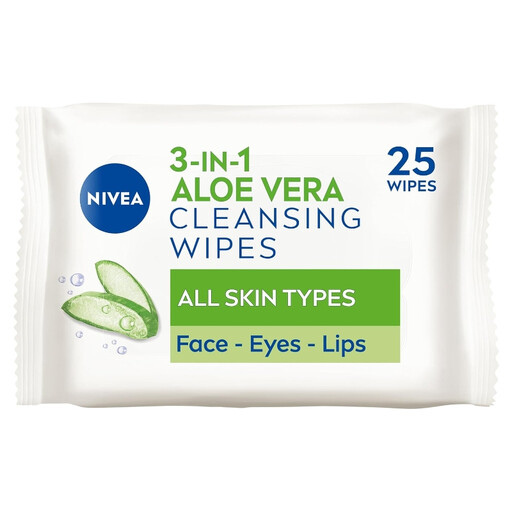
Why it suits this profile: A good choice if, as well as cleansing, you value plant-based materials and extra information about skin and eye compatibility.
The product information lists 100% plant-based tissues, a microplastic-free formula and 25 wipes. The ingredients list does include fragrance, so check it if you have sensitive skin.
Aloe vera, 25 wipes per pack and, according to the manufacturer, dermatologically and ophthalmologically approved.
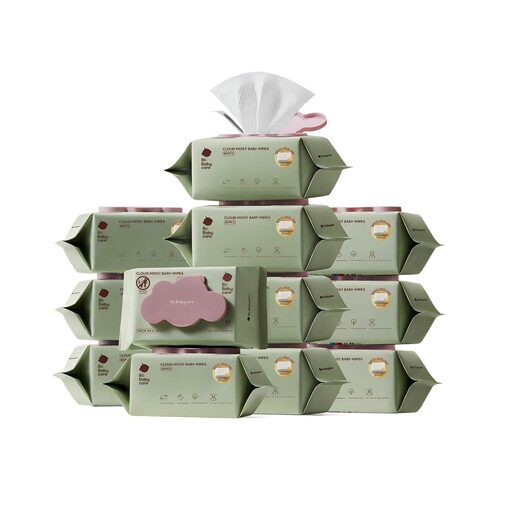
Why it suits this profile: This bulk pack of 960 wipes suits families who care for a baby every day and want to keep a good supply in stock.
The product information states that the wipes are fragrance-free and contain 99% purified water, and that the pack is resealable. Put used wipes in the bin; don’t flush them.
960 wipes, fragrance-free and, according to the product information, made from plastic-free plant-based fibres; OEKO-TEX certification is listed.
We’ve put together a full, up-to-date list of products that meet these strict selection criteria and the applicable European safety requirements.
It’s best not to, even if the packaging says “flushable”. Wipes can get caught in pipes and cause blockages. Put used moist toilet wipes in your general waste, unless your local council explicitly advises otherwise.
Close the lid straight after each use and store the pack in a cool, dry place. Don’t leave it on a radiator or in direct sunlight. Also check the period after opening on the label. A large multipack is only good value if you use each individual pack within the stated time.
That depends on the full ingredients list and how your skin reacts. If you want to avoid fragrances, choose a fragrance-free product where possible and check whether it contains alcohol or other ingredients. Stop using the wipes if irritation occurs, and use wound-cleaning wipes only for the purpose stated on the packaging.
