
Vandaag of morgen in huis

Kwaliteit gegarandeerd

Welkomstaanbiedingen ontgrendelen: GRATIS bezorging | Tot 80% korting | Gratis 30 dagen JoyPlus-proefperiode
Download de app
Wet wipes are handy for nappy changes, when you’re travelling or after a workout. Yet many packs look more alike than their contents suggest. A large pack isn’t automatically better value, a label like “water-based” doesn’t tell you everything about the ingredients, and “plastic-free” doesn’t mean a wipe can be flushed down the toilet.
With these practical checks, you can compare wet wipes, baby wipes and cleansing wipes in a way that suits your everyday use.
A value pack with hundreds of wipes might seem appealing. But if you use them slowly, opened packs can dry out. So check:
WaterWipes, for example, states that its wipes may have a shorter shelf life than varieties with preservatives. According to the product information, opened packs should be used within a certain period. Always check the current packaging for exact guidance.
A marketing term doesn’t tell you what ingredients are in the wipe. If you’re looking for wipes for sensitive skin, it’s better to look at a full ingredients list. Perfume, alcohol, colourants and certain preservatives are reasons some users choose not to use a particular option.
A fragrance-free formula is no guarantee that everyone will tolerate the product without issues. If in doubt, test it on a small area of skin first, and stop if you see redness or irritation. Use wet wipes only externally and avoid contact with the eyes.
Plastic-free wipes can be made from plant fibres, but they don’t belong in the toilet. Ordinary baby wipes, face wipes and disposable washcloths can also cause blockages. So throw used wipes in the general waste, unless local waste instructions say otherwise.
For babies or sensitive skin, fragrance-free baby wipes and alcohol-free wipes are often a sensible first choice. Also check whether the product is intended for the face, body, hands or surfaces. A household cleaning wipe isn’t automatically suitable for the skin.
With 99% water wipes, you should also look at the rest of the formula. Pampers 99% Water Baby Wipes, for example, states 99% water, an alcohol- and fragrance-free composition and a plant-based wipe material. WaterWipes states 99.9% purified water and grapefruit extract. These are product specifications; they don’t form a medical guarantee.
The material determines how sturdy and absorbent a wipe feels. Look at:
A small baby wipe is practical for a nappy change, but less suitable for body cleansing. For a full wash, pre-moistened washcloths, such as HeltiQ Wet Wipes, can offer more coverage.
For a nappy bag, compact packs with a sturdy closure are handy. Individual wipes are suitable for on the go, but can work out more expensive per wipe. For home use, a multipack can be better value, provided you use the packs in time.
Also note the difference between pre-moistened wipes and dry wipes that you moisten yourself with water. The latter gives you more control over the amount of moisture and can be suitable for the face, baby care or light cleaning.
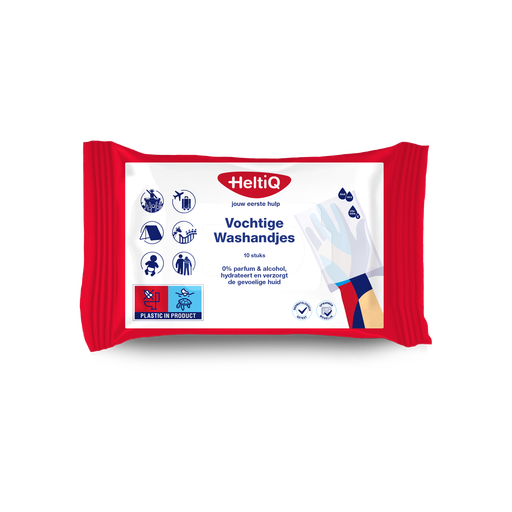
Why this fits the profile: A compact pack of 10 pre-moistened washcloths for home, travel, sport or a quick freshen-up on the go.
The limited number stops a large pack from sitting open for months. The packaging is resealable. Do not flush and use only once.
10 moist washcloths with a mild cleansing lotion, which, according to the product information, contains aloe vera and vitamin E. The pack can be warmed in the microwave as per instructions.
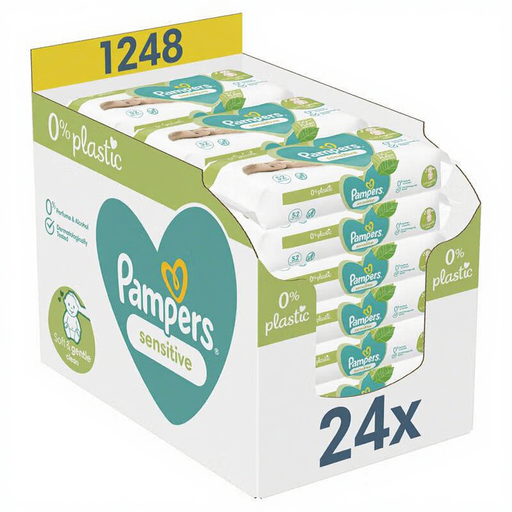
Why this fits the profile: For families who use a lot of baby wipes and specifically look for fragrance-free, alcohol-free and plastic-free wipes.
The product information states 0% plastic in the wipe, no fragrance, alcohol or colourants, and a resealable pack. Check the current packaging at the time of purchase.
15 packs of 52 wipes, 780 in total. According to Pampers’ product information, the wipes are dermatologically tested; this is not a medical claim.
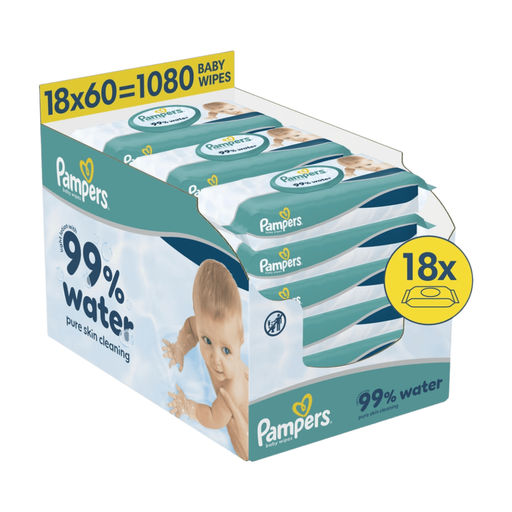
Why this fits the profile: A bulk pack for families who use lots of wipes every day for care, hands or on the go.
The specifications list 18 packs of 60 wipes, a resealable pack and a formula without alcohol and fragrance. This lets you spread the stock across several packs.
1,080 wipes, 99% water according to the product description and plant-based fibre material. Not suitable for flushing.
We’ve put together a full, up-to-date list of products that fully meet these strict selection criteria and current European safety regulations.
That depends on the formula and your skin. Look for fragrance-free baby wipes, alcohol-free wipes and a short, clear ingredients list. Claims like “hypoallergenic” or “dermatologically tested” come from the manufacturer; according to ACM guidelines, it’s wise not to treat these as a personal guarantee. Stop using them if irritation occurs.
This varies by brand and formula. Check the packaging for a shelf life after opening or usage advice. Reseal the pack after every use. Products with a high water content or without certain preservatives may have different storage instructions.
Not necessarily. “Plastic-free” describes the material of the wipe, but doesn’t automatically mean it’s home-compostable or suitable for the sewer system. Follow the waste instructions on the packaging and generally throw used wipes in the bin.
