
Livraison le jour même et le lendemain

Qualité garantie

Débloquez vos offres de bienvenue: Livraison GRATUITE | Jusqu'à -80 % | 30 jours d'essai gratuits à JoyPlus
Téléchargez l'application
Wet wipes may seem straightforward, but the difference between baby wipes, toilet wipes and facial cleansing wipes is significant. If you only look at a low price or an eye-catching pack, you could end up with wipes that dry out quickly, irritate your skin or aren’t suitable for the toilet.
As a Joybuy Product Recommendation Officer, I’ve filtered the most important product information down to the practical points. That way, you can see which features really matter and which marketing claims you should double-check before you buy.
The description wet wipes for sensitive skin sounds reassuring, but always check the ingredients and the label. Perfume, fragrance allergens, colourants and certain preservatives can be unsuitable for some users. Especially for babies and people with sensitive skin, fragrance-free baby wipes with a short, clear ingredients list are often a more practical choice.
Also pay attention to the difference between a product claim and a verifiable feature. A manufacturer may state that a formula is mild or hypoallergenic. That is no guarantee that every skin type will tolerate this product. If redness or irritation occurs, stop using it.
Not every pack labelled flushable toilet wipes is suitable for every drainage system. Ordinary baby wipes, make-up remover wipes and hygiene wipes should not go down the toilet. Even with flushable toilet wipes, it’s wise to follow the usage instructions: generally, no more than one wipe at a time.
Check whether a product has a stated standard or certification. According to the product information, the BC Babycare Flushable Toilet Wipes carry an IWSFG certification, with 98.5% disintegration in 30 minutes as per the stated product specification. This is information from the manufacturer and not a general guarantee for every toilet or sewer system. If in doubt, used wipes belong in the bin.
Words like plant-based wipes, biodegradable wipes and plastic-free sound similar, but they don’t always refer to the same thing. “Plant-based” says something about the origin of the fibres, while biodegradable refers to breakdown under certain conditions. Neither automatically means the wipe can go down the toilet.
So look at:
First, decide what you need the wipes for. Baby wipes are intended for external cleansing of the skin. Nappy wipes are mainly used during nappy changes. Facial cleansing wipes are designed for make-up, sebum and dirt on the face. Hygiene wipes may be intended for skin or surfaces, but that varies by product.
Never use a facial wipe as a baby wipe without checking the label. For toilet wipes, the rule is: only flush when the packaging explicitly states this.
For daily use on a baby or sensitive skin, 99% water baby wipes are a popular option. Check what “99% water” actually means. For the BC Babycare wipes, according to the product information, this is 99% purified water, supplemented with ingredients including glycerine, citric acid and preservative components.
A fragrance-free formula is not automatically suitable for everyone, but it can be a practical choice if you want to avoid perfume. Also check whether the wipe is alcohol-free and whether the material is described as plastic-free.
A thicker wipe is less likely to tear during a nappy change or a larger cleaning job. At the same time, you’re not just paying for the quality of the wipe, but also for the packaging and the number of pieces.
So compare the price per wipe. A pack of 25 facial cleansing wipes is handy for on the go, while a pack of 960 baby wipes is better suited to daily use at home. Also pay attention to the closure: a sturdy lid or a well-sealing flap helps to prevent moisture loss.
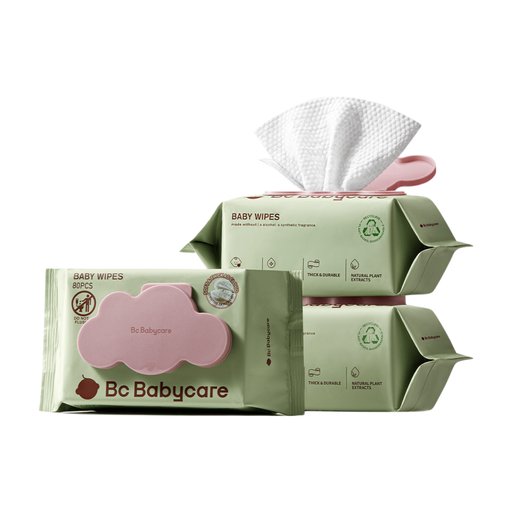
Why this fits the profile: A manageable stock of 240 wipes for parents who want to try fragrance-free baby wipes without buying a huge quantity straight away.
The product information states an unfragranced formula, 99% purified water and the instruction not to flush the wipes.
240 pieces, OEKO-TEX certification according to the product information and a plant-based fibre material described as plastic-free.
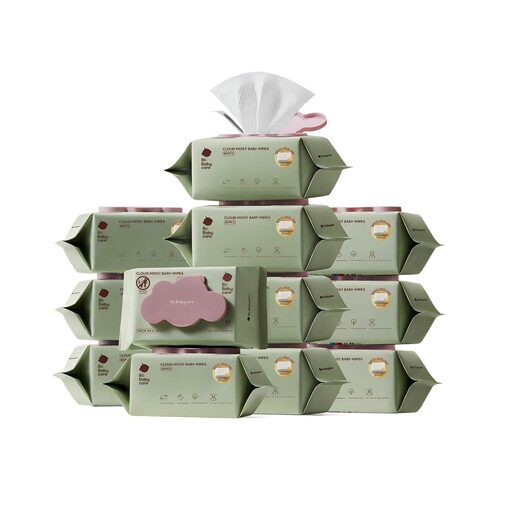
Why this fits the profile: Ideal for households that use a lot of wipes every day and prefer to order one larger supply.
The packaging includes clear instructions to close the flap and dispose of the wipes in the general waste, not in the toilet.
960 wipes, three times thicker according to the product information and an unfragranced formula with plant-based fibres.
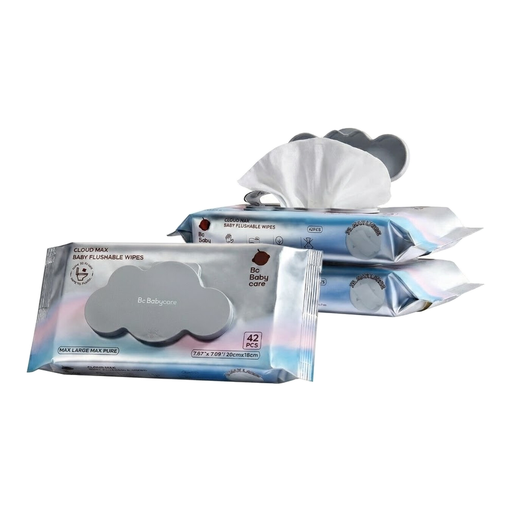
Why this fits the profile: For families during potty training or adults who use toilet wipes at home and on the go.
According to the product information, the wipe is IWSFG-certified and intended to be flushed one at a time. Other wipes do not belong in the toilet.
42 wipes per pack, extra-large size according to the product description and free from fragrance and colourants.
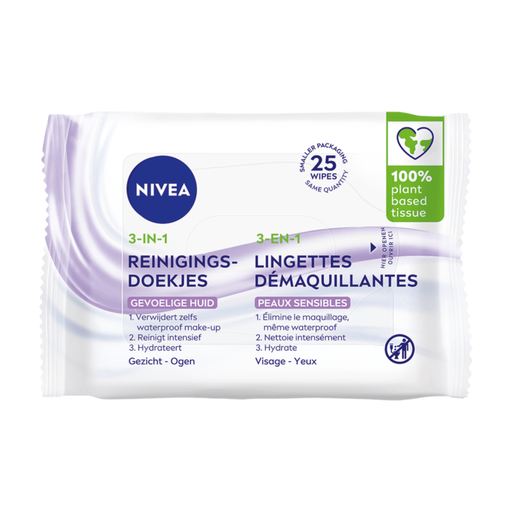
Why this fits the profile: A compact option for removing make-up, travelling, exercising or late nights when a full cleansing routine isn’t practical.
The product information states use for the face and not for the toilet. According to the manufacturer, the formula has been dermatologically and ophthalmologically tested.
25 wipes, 100% plant-based fibres according to the product description and suitable for removing make-up.
We’ve put together a full, up-to-date list of products that fully meet these strict selection criteria and comply with current European safety regulations.
That depends on the purpose and your skin. Check the instructions for use, ingredients and warnings. For babies and sensitive skin, unfragranced varieties are often a logical choice, but be aware of a possible individual reaction. Use wipes only externally and avoid contact with eyes and mouth.
Close the flap or resealable packaging immediately after use. Store the pack in a cool, dry place, out of direct sunlight and away from heat sources. A large pack is only good value if you use it quickly enough; otherwise, the last few wipes may lose their moisture.
Only wipes where the manufacturer clearly states this, such as specific flushable toilet wipes. Flush a maximum of one wipe at a time and follow the instructions on the packaging. Baby wipes, facial cleansing wipes, dry wipes and ordinary hygiene wipes belong in the bin.
