
Livraison le jour même et le lendemain

Qualité garantie

Débloquez vos offres de bienvenue: Livraison GRATUITE | Jusqu'à -80 % | 30 jours d'essai gratuits à JoyPlus
Téléchargez l'application
Wet wipes are handy in the bathroom, during a nappy change, after a workout or for a quick clean-up. However, they vary greatly in material, composition and intended use. A pack with a high number of wipes isn’t automatically good value if they dry out quickly or aren’t suitable for your skin or surface.
The main pitfalls are clear:
Start by looking at the intended use. That way, you won’t end up buying a bulk pack that turns out to be unsuitable.
Moist toilet paper is designed for personal hygiene after using the toilet. Check whether the product contains fragrances, alcohol and caring ingredients. For sensitive skin, a short ingredients list can be a plus, but every skin type reacts differently.
The pack size also matters. A travel pack of wet wipes is practical for a handbag, car or weekend bag. For daily use, a pack with 80 or more wipes may be more convenient.
Baby wipes come into direct contact with delicate skin. Look out for:
Pampers Sensitive Plastic Free Baby Wipes and WaterWipes Organic Wet Wipes are examples where the material and composition are clearly stated. According to the product description, WaterWipes consist of 99.9% purified water and 0.1% grapefruit seed extract. The product information also mentions a limited usage period after opening; always check the packaging.
Cleaning wipes are formulated for dirt, grease, dust or specific surfaces. Check what they are suitable for: kitchen, bathroom, floor or general surfaces. Do not use them on the skin.
With antibacterial wipes, you need to read the claim carefully. According to the product information from Dettol, the wipes are designed to remove 99.9% of bacteria, allergens and dust mites. This is a claim from the brand and not a general guarantee for every situation. Follow the usage instructions and check whether the surface is suitable.
Facial cleansing wipes are handy when you’re on the go, but they don’t always replace a full cleansing routine. Look out for fragrance, alcohol, micellar ingredients and any mention of dermatological testing. According to the product information, the Sence Face-Aloe Vera Cleansing Wipes have a micellar 3-in-1 formula and a resealable pack. However, the same information also states that they are not listed as alcohol-free, fragrance-free or dermatologically tested. That’s relevant information for shoppers with sensitive skin.
“Biodegradable wipes” and “plastic-free wipes” are material claims, not permission to flush them. Plant-based fibres can still cause blockages after use. Therefore, put baby wipes, cleaning wipes and facial cleansing wipes in the bin.
Even with moist toilet paper, caution is wise. The product information for some variants mentions flushability, but other products explicitly state: do not flush. Always follow the label and limit the number used at one time. When in doubt, choose the bin.
Compare the ingredients list rather than just the front of the pack. Pay attention to:
Stop using them if you experience redness, irritation or discomfort. The wipes are for external use only, unless the packaging states otherwise.
Compare the price per 100 wipes, not just the price per pack. A multipack can be good value for families, while individual travel packs take up less storage space. Also check:
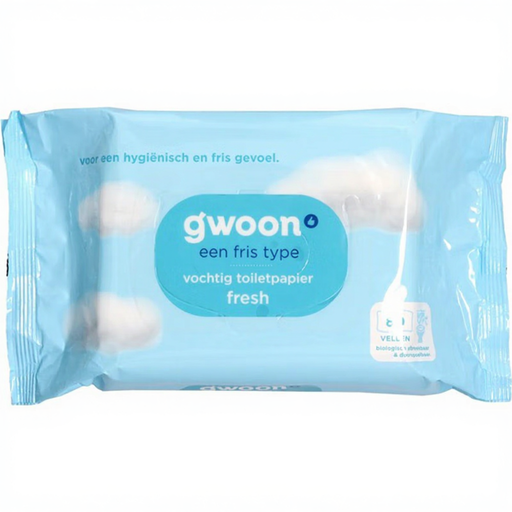
Why this fits the profile: A pack of 80 wipes is suitable for regular use at home. The product information lists aloe vera, chamomile water and glycerine among the ingredients.
Its use as moist toilet paper is clearly described. The safety information explicitly states: do not flush.
80 wipes per pack; clear ingredients list; suitable for personal hygiene.
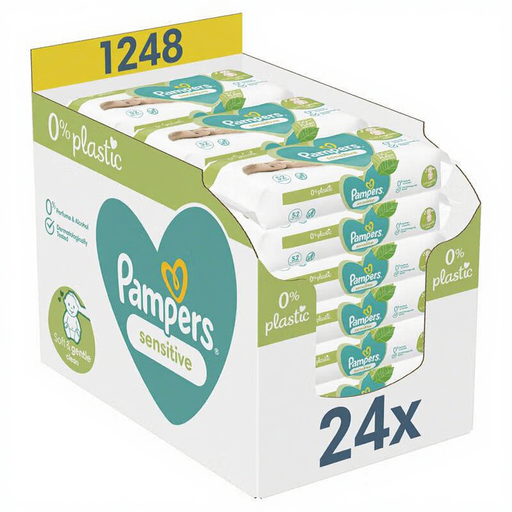
Why this fits the profile: Parents who want to compare material, formula and packaging side by side will find clear product information here. According to the product description, the wipes are fragrance-free, alcohol-free and dye-free.
The description states 0% plastic and 100% plant-based fibres. It also clearly says you should not flush the wipes.
15 packs of 52 wipes; unscented; material and suitability from birth stated.
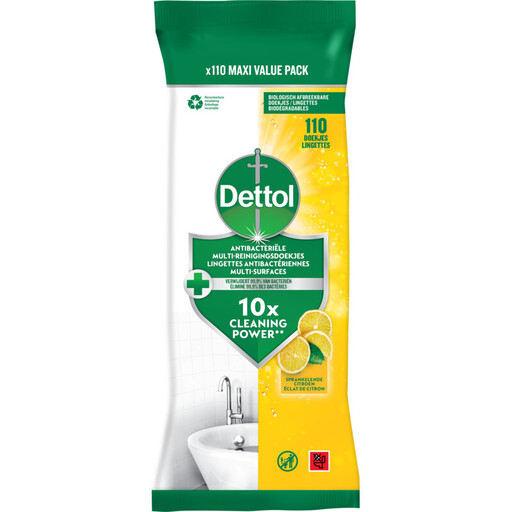
Why this fits the profile: For the kitchen, bathroom and other hard surfaces, 110 wipes are practical. The product information mentions a citrus variant and use on multiple surfaces.
The wipes are labelled as cleaning wipes, so they won’t be mistaken for baby wipes or toilet wipes. Check the surface before use.
110 wipes; suitable for multiple surfaces; according to Dettol’s own information, biodegradable wipes and recyclable packaging.
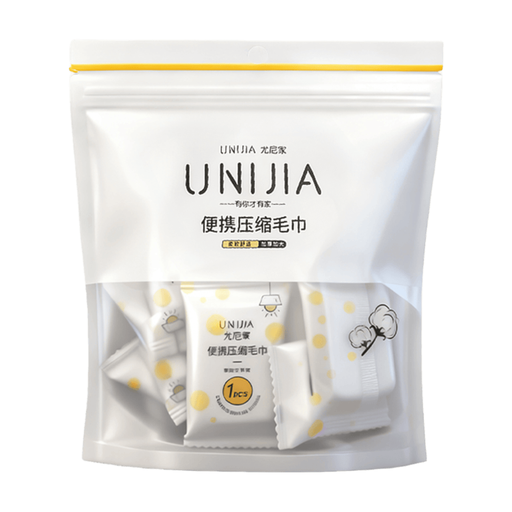
Why this fits the profile: The compressed tablets take up very little space when travelling, exercising or enjoying outdoor activities. Just add water to activate a wipe.
You’re not buying a large, quickly drying pack of pre-moistened wipes. The tablets stay compact as long as they are stored dry.
20 tablets; plant-based non-woven fibres according to the product information; expanded size of 30 × 24 cm.
We’ve put together a full, up-to-date list of products that fully meet these strict selection criteria and comply with current European safety regulations.
Mostly, no. Baby wipes, cleaning wipes and facial cleansing wipes belong in the bin. Even with moist toilet paper, it’s important to follow the product instructions and the rules for your drainage system. When in doubt: don’t flush.
Close the lid or resealable pack immediately after use. Store the pack in a cool, dry place, away from direct sunlight and heat sources. With large multipacks, it’s a good idea to open only one pack at a time.
Look for a short ingredients list and check whether the product is fragrance-free and alcohol-free. With baby wipes, the age suitability, fibre material and usage warnings can also be important. “Sensitive skin” is no guarantee for every user; stop if irritation occurs and consult a healthcare professional if symptoms persist.
