
Livraison le jour même et le lendemain

Qualité garantie

Débloquez vos offres de bienvenue: Livraison GRATUITE | Jusqu'à -80 % | 30 jours d'essai gratuits à JoyPlus
Téléchargez l'application
Wet wipes are handy when changing a nappy, while you’re out and about, after using the toilet or when you need to clean up quickly. Even so, choosing the right ones is less straightforward than it may seem. A low price per pack does not always mean a low price per wipe, and packaging featuring words such as “water-based” or “sensitive” does not tell the whole story.
The main pitfalls:
For babies and people with sensitive skin, fragrance-free baby wipes, alcohol-free wipes and wipes without colourants are often a practical choice. Check the ingredients list on the packaging. “99% water baby wipes” does not mean that the wipe consists solely of water; preservatives, cleansing agents or plant extracts may have been added.
One example is Pampers Sensitive Plastic Free Baby Wipes. According to the product description, these wipes are fragrance-free, alcohol-free and colourant-free, and contain a water-based formula. The manufacturer also states that the material is made from plant-based fibres. These are verifiable product specifications, but every skin type can react differently. Stop using the product if redness or irritation occurs and follow the instructions on the packaging.
If you are looking for plastic-free wipes or biodegradable wipes, check whether the claim applies to the wipe, the packaging or both. A wipe made from plant-based fibres may be plastic-free, while the packaging may still contain plastic.
Also look for a recognised certification mark or clear information about the material. According to the product information, BC Babycare wipes are made from plant-based fibres and described as plastic-free and biodegradable. For other products, only the packaging may be recyclable. Always check the complete product information rather than relying solely on the front of the pack.
A tightly closing lid helps prevent moisture from evaporating. This is particularly important with a value pack of wet wipes, as multiple packs may be stored for weeks or months. If necessary, make a note of the recommended period of use after opening, and store the packaging in a cool, dry place away from direct sunlight.
For everyday use, the number of wipes per pack is at least as important as the number of packs. For example, a pack containing 12 x 60 wipes contains 720 wipes in total. Divide the purchase price by the total number of wipes to compare offers fairly.
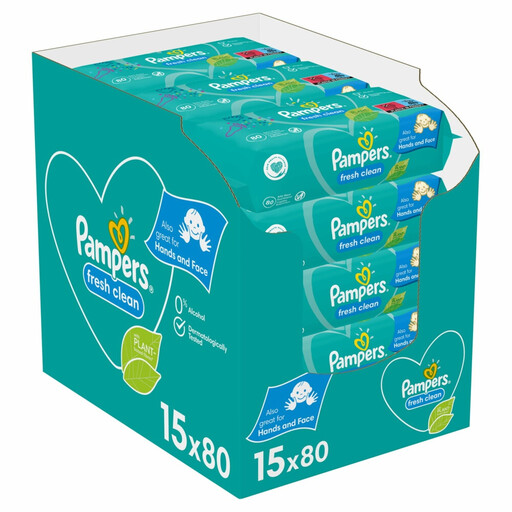
Why this suits the profile: A generous pack for families who use wipes every day on bottoms, hands and faces.
According to the product description, the closure helps limit drying out. The wipes are alcohol-free, although the lotion does have a gentle, fresh scent.
15 packs of 80 wipes; suitable for bottoms, hands and faces; dermatologically tested according to the product information.
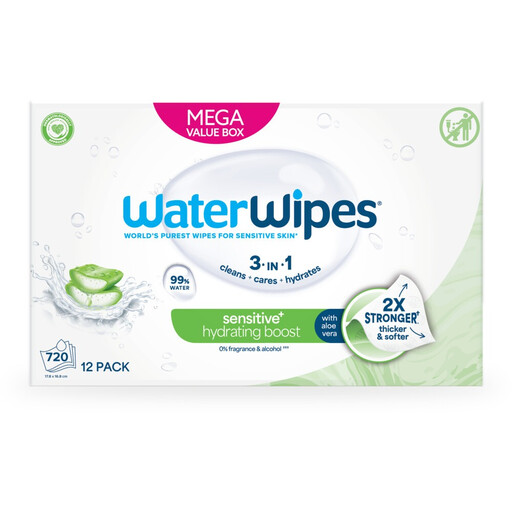
Why this suits the profile: Designed for parents looking for a water-based, fragrance-free formula and a large supply.
The product description states that the wipes contain more than 99% water and are fragrance-free. However, check the listed ingredients, including aloe vera and grapefruit extract.
12 packs of 60 wipes; more than 99% water according to the manufacturer; plastic-free and biodegradable according to the product information.
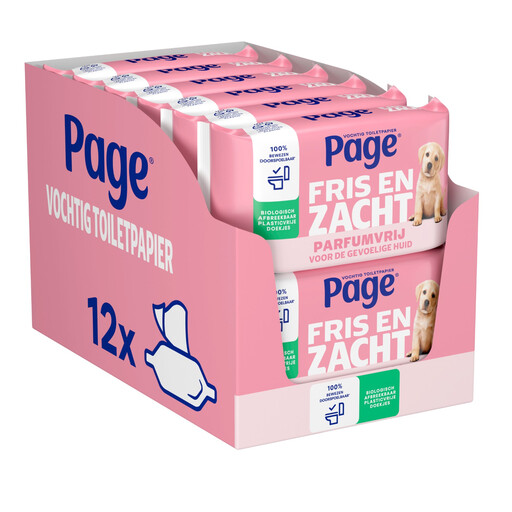
Why this suits the profile: Handy for households looking for moist toilet paper to use after dry toilet paper.
The product description states that the formula is fragrance-free, alcohol-free and plastic-free. Nevertheless, follow the flushing instructions and local sewerage guidance.
456 wipes in 12 packs; pH skin-neutral according to the product information; packaging made with recycled plastic.
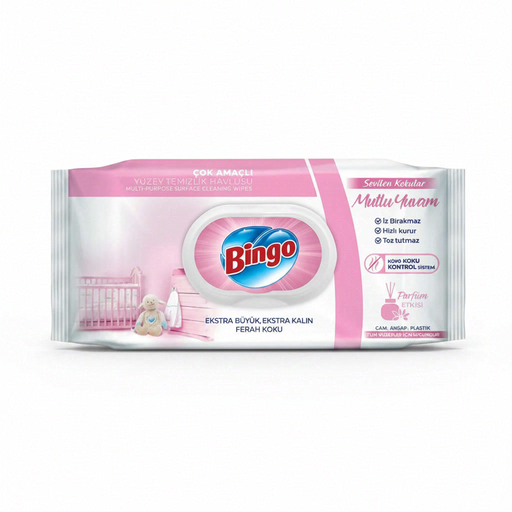
Why this suits the profile: For quickly cleaning tables, worktops and other hard surfaces.
The product is clearly described as being for cleaning hard surfaces. Do not therefore use it as baby wipes or wipes for the skin.
96 wipes per pack; the plastic lid helps retain moisture; suitable for everyday use according to the product description.
We have put together a complete, up-to-date list of products that fully meet these strict selection criteria and the applicable European safety regulations.
That depends on the ingredients and the individual’s skin. Fragrance-free and alcohol-free wipes are generally preferable, and you should check that the product is intended for contact with skin. If in doubt, test it on a small area of skin first. If irritation persists, it is advisable to seek medical advice.
Only if the packaging explicitly says so. According to the product description, some Page products are described as flushable and compliant with the INDA/EDANA standard. Other moist toilet wipes, such as certain g’woon variants, should be disposed of in the bin. Even flushable wipes can cause blockages if used incorrectly or too frequently, so follow local guidelines.
Close the lid or resealable strip immediately after use. Do not store the pack on a windowsill, next to a radiator or in direct sunlight. With a large value pack, it is practical to keep one pack in your changing bag and store the remaining packs unopened in a cool, dry place.
