
当日/次日达

品质保障

开启新人专享福利: 全场免邮 | 低至 2 折 | 免费试用 30 天 JoyPlus 会员
下载 Joybuy
Wet wipes are the ultimate convenience. A spill on the floor, sticky kids' hands, or a quick wipe-down of the kitchen counter; there's a wipe for every occasion. But the vast selection hides pitfalls that can lead to clogged pipes, skin irritation, or a surface that only looks cleaner than it really is. As a Product Recommendation Officer at Joybuy, I'm here to help you make the right choices, without the marketing jargon.
Let's look at the three most common mistakes when buying wet wipes.
To avoid a bad purchase, it's helpful to look at a few specific features. These are the specifications that truly matter.
The material of the wipe determines not only its feel but also its environmental impact.
The liquid in the wipe determines its function. Look beyond the marketing claims on the front and check the ingredients.
A floor wipe is not suitable for your face, and a baby wipe won't do much against grease on the stove. Choose a product designed for the task. Large surfaces like floors require larger, sturdier wipes, while a standard cleaning wipe is sufficient for the countertop. Consider a value pack for wipes you use daily; this not only saves money but also packaging material.
Based on these objective criteria, we have selected a number of products that suit different households.
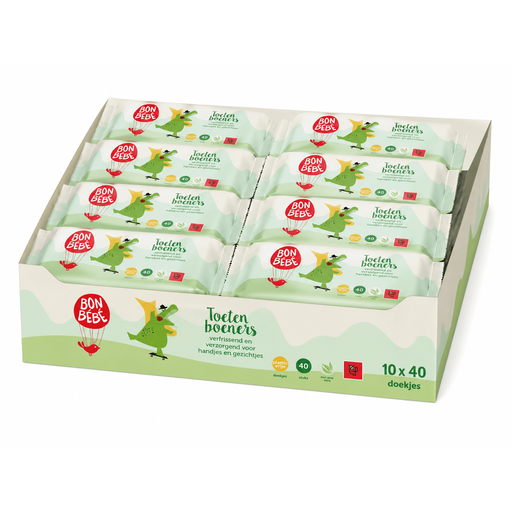
Why This Fits Their Persona: Ideal for parents who need a large supply of gentle wipes for their baby's daily care. Suitable for face, hands, and nappy changes.
These wipes are free from alcohol and fragrance, avoiding the pitfall of skin irritation from a supposedly 'gentle' formula.
Enriched with natural aloe vera for a soothing effect. The value pack is practical and economical.
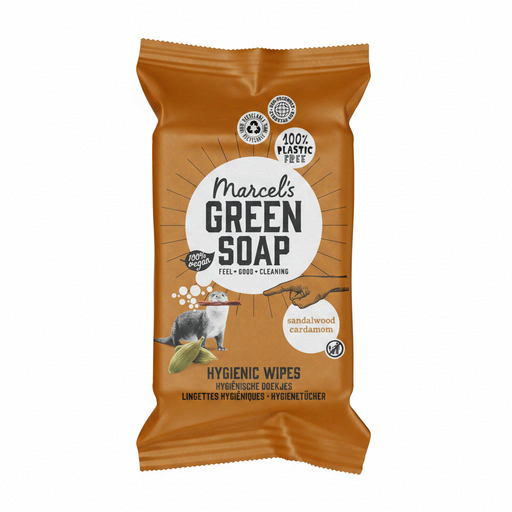
Why This Fits Their Persona: For those who want to clean something quickly without worrying about their ecological footprint. Perfect for the conscious consumer seeking convenience.
According to the manufacturer, these wipes are 100% biodegradable. This tackles the pitfall of misleading 'eco' claims, but remember: throw them in the bin.
The formula contains 99% natural ingredients and is vegan. The packaging is recyclable.
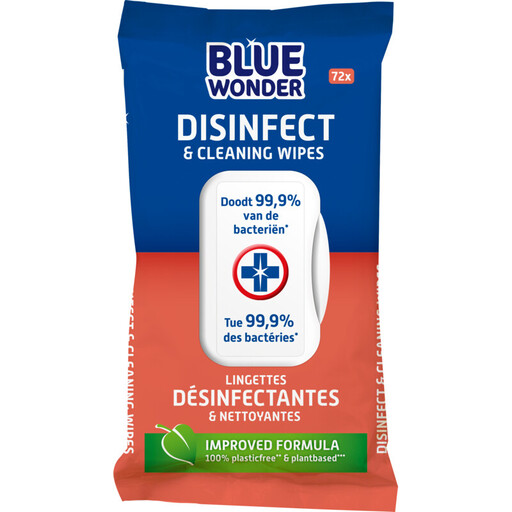
Why This Fits Their Persona: For those who want to be sure that surfaces like the toilet, countertop, or toys are not just clean, but also disinfected.
This product bypasses the vague 'hygienic' claim. According to the manufacturer, it kills 99.9% of bacteria, providing concrete disinfection.
The wipes are 100% plastic-free and plant-based. The disinfecting action is based on lactic acid, without chlorine or alcohol.
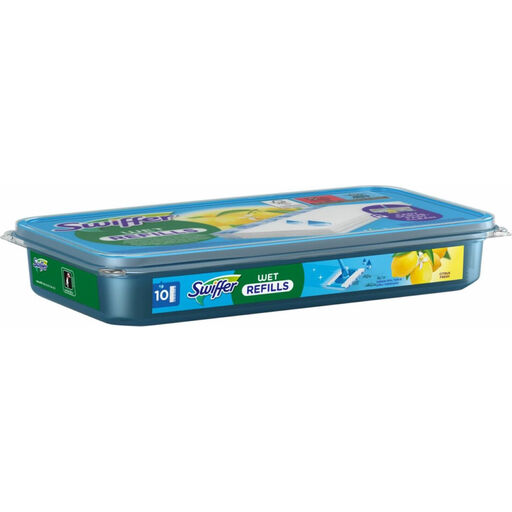
Why This Fits Their Persona: For those looking for a quick and effective solution for cleaning hard floors, without the hassle of buckets and mops.
This is not a generic wipe, but a specialised floor wipe. It's designed to trap and lock dirt instead of just pushing it around, which is a common problem with all-purpose cleaners.
The wipes have a unique texture and a scrubbing strip for tough dirt. The formula is designed to dry quickly and without streaks.
We have compiled a complete, real-time list of products that fully satisfy these strict selection criteria and UK safety regulations.
1. Can I flush wet wipes down the toilet? Generally, no. Most cleaning wipes and baby wipes, even biodegradable ones, belong in the bin. They can cause serious blockages in the sewer system. The only exception is moist toilet paper that explicitly states it meets the INDA/EDANA standards for flushability.
2. What is the difference between baby wipes and cleaning wipes? The main difference is in the ingredients. Baby wipes have a mild formula, often fragrance-free and without alcohol, and are designed for sensitive skin. Cleaning wipes contain detergents, degreasers, or disinfectants that are effective on surfaces but can be harmful to the skin.
3. How do I prevent my wet wipes from drying out? Choose packaging with a hard, resealable plastic lid instead of just a sticker. Always close the package tightly immediately after use. If you buy a value pack, keep the individual packs sealed until you are ready to use them.
