
Livraison le jour même et le lendemain

Qualité garantie

Débloquez vos offres de bienvenue: Livraison GRATUITE | Jusqu'à -80 % | 30 jours d'essai gratuits à JoyPlus
Téléchargez l'application
Wet wipes offer convenience in countless situations, from changing a baby to a quick clean-up of the kitchen counter. But the vast selection and marketing promises don't make the choice any easier. The wrong wipe can lead to skin irritation, disappointing results, or even clogged pipes.
Before you make a purchase, it's helpful to know the most common pitfalls. This will prevent you from wasting money on a product that doesn't meet your expectations.
flushable wipes, but in practice, they often cause serious blockages in the sewer system. Water authorities have been warning about this for years. A product is only reliably flushable if it complies with the INDA/EDANA standard.To make a good choice, it's wise to look at a few concrete specifications instead of relying on marketing slogans.
The foundation of a good wet wipe is its liquid. For personal care, and especially for wipes for sensitive skin, a few things are important:
water wipes consist mostly of water. This minimises the risk of reactions. Look for formulas with a high percentage of water.baby wipes.Not just the liquid, but the wipe itself is also important. The texture determines how effectively it cleans and how it feels on the skin.
The type of wipe depends entirely on its purpose.
all-purpose cleaning wipes often contain stronger cleaning agents. Special kitchen or glass wipes are formulated to dissolve grease or provide a streak-free clean.Based on product features, we have selected a few options that suit different user profiles.
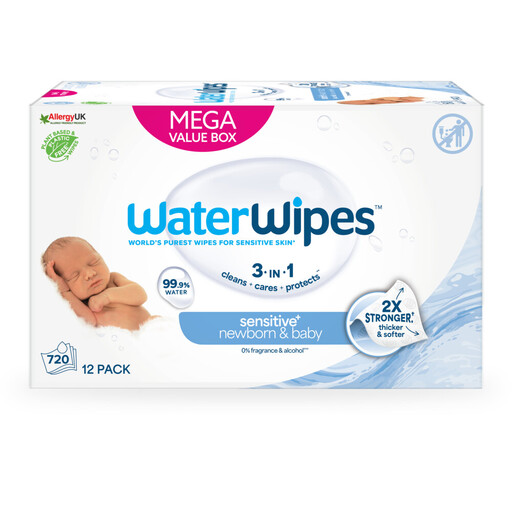
Why This Fits Their Persona: For a newborn's highly sensitive skin, a minimalist approach is often best. These wipes are designed with that principle in mind.
This product bypasses the vague "sensitive skin" claim with an extremely short ingredients list: 99.9% water and a drop of fruit extract. No fragrance, no alcohol.
The formula is based on just two ingredients, which reduces the risk of an allergic reaction or irritation. Suitable for the most delicate skin types.
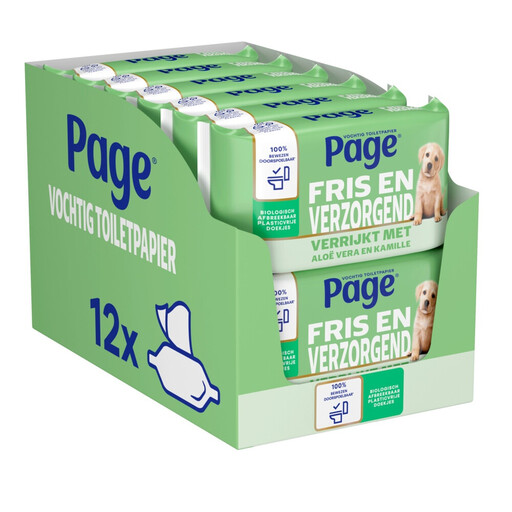
Why This Fits Their Persona: For those who want to combine convenience with a responsible choice. This product targets users who value flushability and sustainability.
This product directly addresses the "flushable" pitfall. According to the manufacturer, it meets the international INDA/EDANA standard, which means it can be safely flushed.
The wipes are plastic-free and made from 100% natural fibres. The packaging is recyclable, contributing to a lower environmental impact.
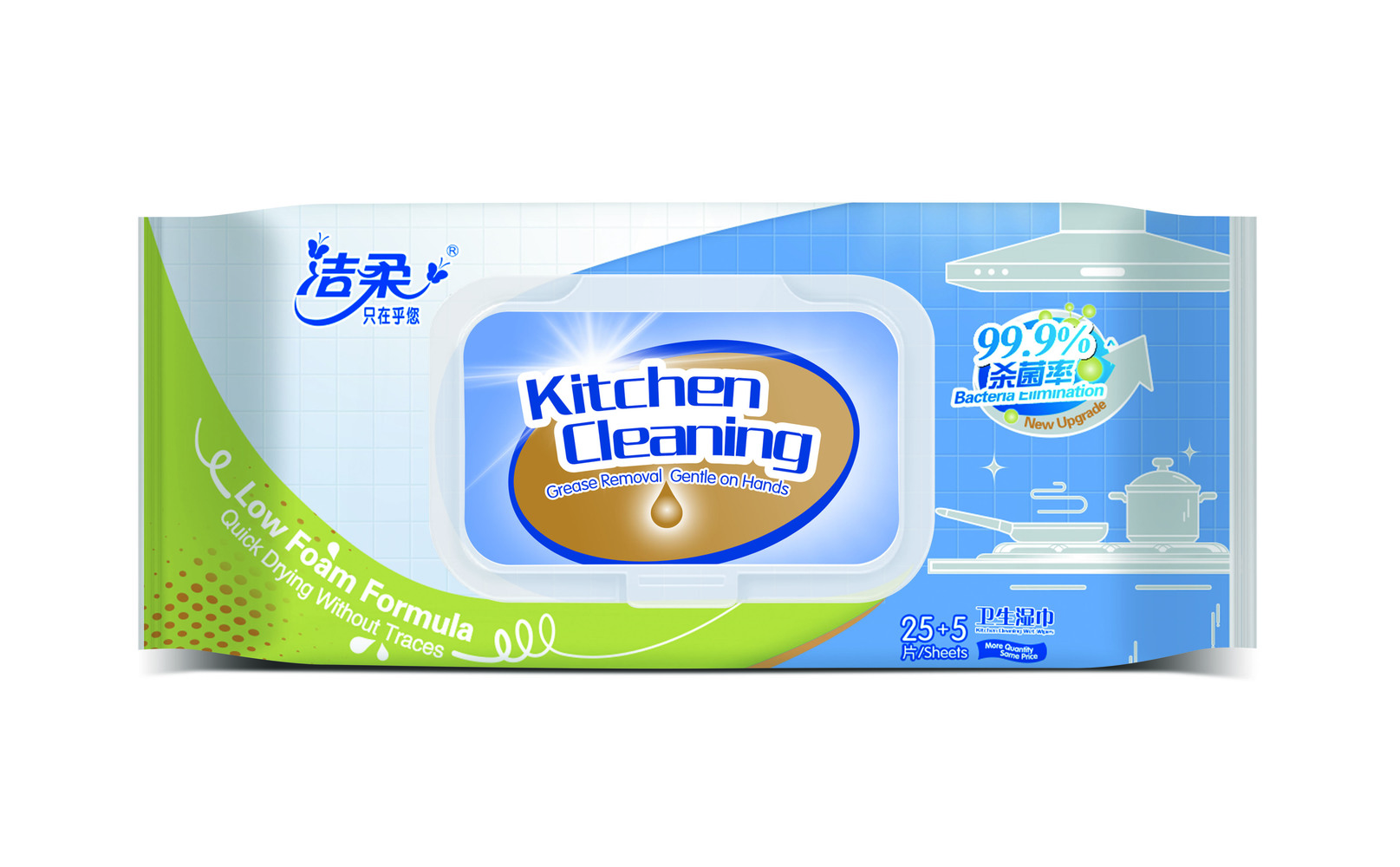
Why This Fits Their Persona: Ideal for busy households looking for a fast, effective solution for kitchen cleaning. This wipe is specifically designed for a tough job: removing grease.
This product avoids the "all-in-one" pitfall. It's not a general-purpose wipe, but a specialised tool with a formula based on plant-derived cleaning agents to tackle grease.
Its powerful degreasing action makes cleaning hobs, extractor hoods, and countertops more efficient. You'll finish faster with a better result.
We've compiled a complete, up-to-date list of products that meet these selection criteria and current regulations.
The main difference lies in the composition and flushability. Baby wipes are primarily designed for sensitive skin and are generally thicker and softer. They are almost never intended to be flushed. Moist toilet tissue is thinner and, if certified, made to break down in water, allowing it to be flushed safely.
Only if the packaging explicitly states that the product complies with the INDA/EDANA standards for flushability. All other wipes, including most baby wipes and cleaning wipes, belong in the bin. Flushing unsuitable wipes can lead to costly blockages in your own pipes and in the municipal sewer system.
The key is a well-sealing package. Most packages have a hard plastic lid or a sturdy adhesive strip. Make sure you close it properly after each use. Store the package in a cool, dry place and avoid direct sunlight, as heat can cause the liquid to evaporate more quickly. For bulk packs, it can be useful to transfer a smaller amount into a reusable dispenser for on-the-go use.
