
当日/次日达

品质保障

开启新人专享福利: 全场免邮 | 低至 2 折 | 免费试用 30 天 JoyPlus 会员
下载 Joybuy
Wet wipes are a staple in many households. Whether it's for a quick countertop clean-up, baby care, or removing makeup after a long day. But with an overwhelming selection, it's easy to choose the wrong pack. Some dry out within a week, others cause skin irritation, and still others over-promise and under-deliver. Let's explore how to spot the pitfalls and choose the right wipes for your needs.
Before you make a purchase, it's wise to be aware of a few common issues that can cost you money and frustration.
cleansing wipes or baby wipes still contain alcohol, perfume, or other irritants that can compromise the skin barrier and cause redness or dryness.cleaning wipes, and after a few uses, the adhesive seal no longer sticks. Before you know it, half the wipes are dried out and useless. Good, resealable packaging is essential.You don't need to be a chemist to make a smart choice. Pay attention to the following three points on the packaging, and you'll be much safer.
The material of the wipe determines not only how it feels but also its environmental impact.
Moist toilet paper and baby wipes are increasingly available in plastic-free versions.For wipes that come into contact with the skin, such as makeup remover wipes or baby wipes, the ingredients list is crucial.
It may seem obvious, but use wipes for their intended purpose. All-purpose cleaning wipes contain cleaning agents that are not suitable for your face. Disinfectant wipes are meant to kill bacteria on surfaces and can be too harsh for skin or delicate materials. Choose specifically:
Based on these criteria, we have selected several popular choices that suit different users.
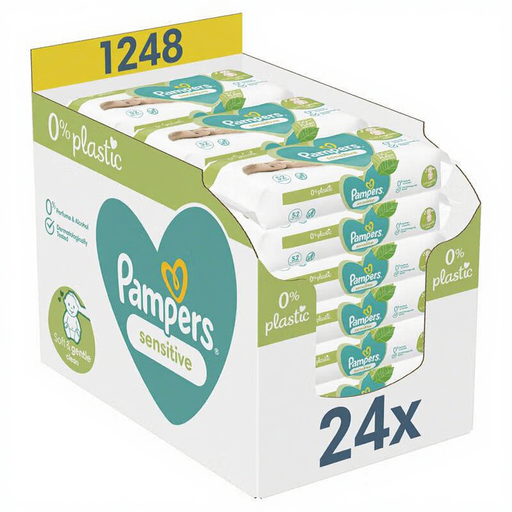
Why This Fits Their Persona: Ideal for parents seeking a gentle and safe clean for their newborn's sensitive skin. The bulk pack is practical and cost-effective.
These wipes bypass the pitfall of harsh ingredients. They are free of alcohol, perfume, and dyes, which minimises the risk of skin irritation.
Made from 100% plant-based fibres (plastic-free). According to Pampers, the unique, dermatologically tested formula protects the skin's natural pH better than cotton and water.
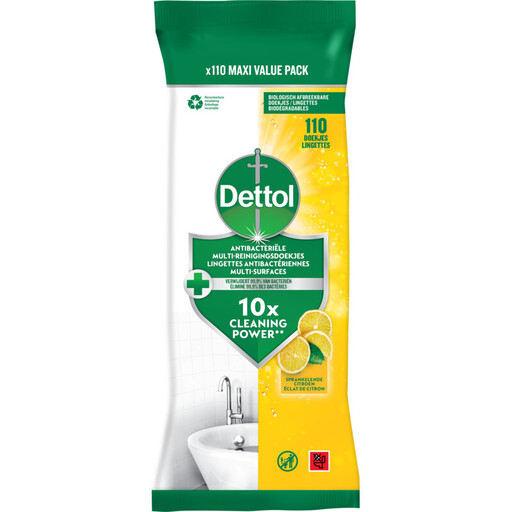
Why This Fits Their Persona: For those who need to clean surfaces quickly and hygienically. Perfect for the countertop, bathroom, or dining table between deep cleans.
This product is clearly a cleaning wipe, not a personal care product. The packaging has a sturdy closure that helps prevent it from drying out.
According to Dettol, these antibacterial wipes remove 99.9% of bacteria. The wipes are biodegradable, and the packaging is recyclable.
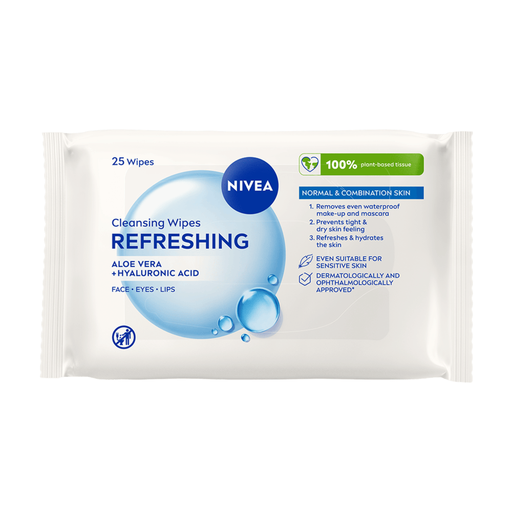
Why This Fits Their Persona: For those looking for a quick and effective way to remove makeup without drying out the skin. Suitable for normal to combination skin.
These wipes tackle the problem of dryness with a formula enriched with aloe vera and hyaluronic acid, which supports the skin's natural moisture balance.
The wipes are of 100% plant-based origin and, according to NIVEA, effectively remove waterproof makeup. Dermatologically and ophthalmologically approved.
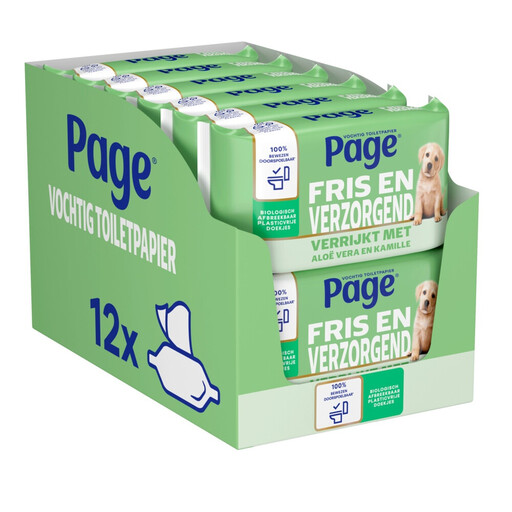
Why This Fits Their Persona: For those who want a clean and fresh feeling after using the toilet, both at home and on the go. The formula with aloe vera is gentle on the skin.
This product tackles the "flushable lie." According to the manufacturer, it meets the INDA/EDANA standards for flushability, which helps prevent blockages.
The wipes are plastic-free, biodegradable, and made from 100% natural fibres. The packaging is recyclable, and the formula is pH-balanced and dermatologically tested.
We've compiled a complete, up-to-date list of products that fully meet these strict selection criteria and local regulations.
Generally, no. Most cleaning wipes, baby wipes, and makeup remover wipes are not designed to break down in the sewer system and can cause severe blockages. Only flush wipes that explicitly have the INDA/EDANA logo on the packaging. These are typically products sold as moist toilet paper. When in doubt, always throw the wipe in the bin.
The key is the packaging. If possible, choose packs with a hard, plastic lid instead of a simple adhesive strip. These seal better and retain moisture longer. Close the package immediately after each use. Another tip is to store the pack upside down, so gravity helps keep the moisture near the top wipes.
Regular cleaning wipes or all-purpose wipes are designed to remove dirt, grease, and dust from surfaces. Disinfectant wipes also contain an active ingredient (like alcohol or lactic acid) intended to kill a high percentage of bacteria and sometimes viruses. Use disinfectant wipes for high-touch surfaces like doorknobs, light switches, and the toilet, especially during flu season. For daily crumb clean-up, a regular cleaning wipe is sufficient.
