
Vandaag of morgen in huis

Kwaliteit gegarandeerd

Welkomstaanbiedingen ontgrendelen: GRATIS bezorging | Tot 80% korting | Gratis 30 dagen JoyPlus-proefperiode
Download de app
Wet food for dogs and cats might seem simple to choose: pick a flavour, check the weight and place your order. Yet many purchases go wrong because of unclear labels, incorrect portions or a product that doesn’t suit the species or life stage. With these checkpoints, you can compare wet dog food and wet cat food in a practical way.
Wet food typically contains a lot of water, but that doesn’t automatically mean it’s suitable as a complete daily meal. So look at the legal designation on the packaging:
A product with high moisture can be practical for cats that don’t drink much, but it doesn’t replace a balanced cat food when the label says complementary.
Words like “premium”, “natural” or “high-quality proteins” don’t mean much on their own. Check the full composition, analytical constituents and species.
For example: CESAR Classic Chicken contains 10% protein, 5% fat, 0.4% crude fibre, 2% inorganic matter and 81% moisture according to the product information. These are verifiable figures. For other products, certain analytical values are not stated in the supplied product information. In that case, it’s wise to consult the packaging before making a comparison.
Claims from a brand about performance or suitability should not be taken as guaranteed results. According to the brand’s own research or product information, a particular composition may be linked to, for example, palatability, but individual dogs and cats can react differently.
A 405g or 1.24kg pack might seem convenient, but once opened, wet food must be refrigerated and used within the recommended period. Common guidelines include:
A multipack of pet food is handy for stock and variety, but only when the portions match the number of pets and their daily needs.
First, check whether the product is intended for a dog or a cat. Wet dog food is not automatically suitable as wet cat food, and vice versa. Also pay attention to the life stage:
The designation “complete wet food” is more important than the flavour name. A chicken, beef or lamb variety may sound appealing, but the nutritional status determines how you use the product.
The texture affects how easily your pet eats the food and how much variety you can offer:
For cats that don’t drink much, hydrating cat food or a complementary broth can be practical. INABA Broth Chicken with Salmon and Tuna consist of chicken broth, chicken and either salmon or tuna, according to the product information. Always provide fresh drinking water as well.
Don’t just compare the price of a tin or pouch, but also the net weight and the number of portions. Examples:
When introducing a new food, transition gradually, for example over several days. Always follow the feeding guide on the packaging and adjust the amount according to weight, age, activity and any combination with dry food.
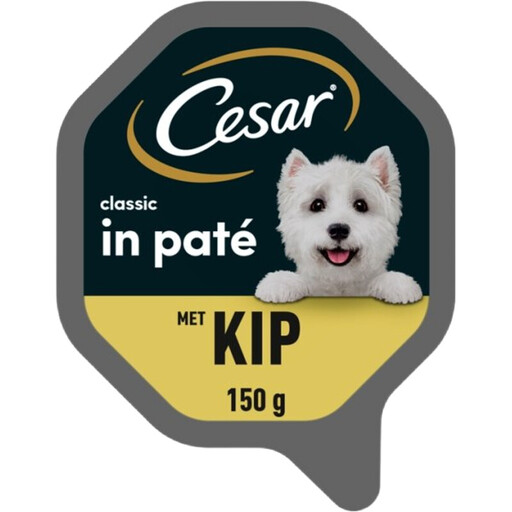
Why this fits the profile: The 150g portion is manageable for a household that wants to try a flavour and texture first.
The product information clearly states the species, portion size and analytical values. This means you don’t buy a large stock straight away without knowing whether it will be accepted.
Complete wet food for adult dogs; 150g per pack; 81% moisture according to the product information.
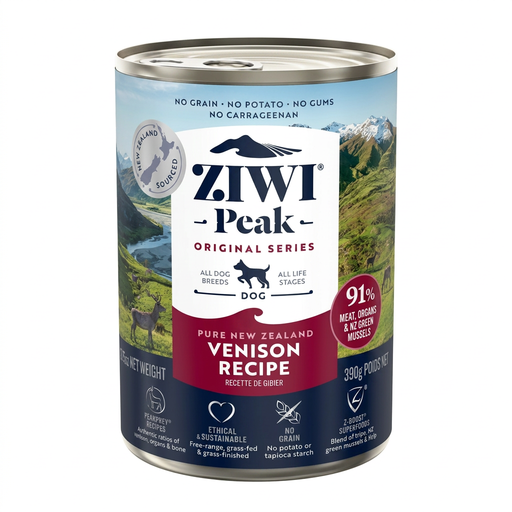
Why this fits the profile: This complete dog food uses venison as a single animal protein source and has a clear composition for those who compare labels carefully.
The packaging lists the ingredients and analytical constituents, including a minimum of 10% protein and a maximum of 78% moisture. Always check the actual packaging though.
390g content; complete food for dogs; venison as the primary protein source; available with a separate feeding guide.
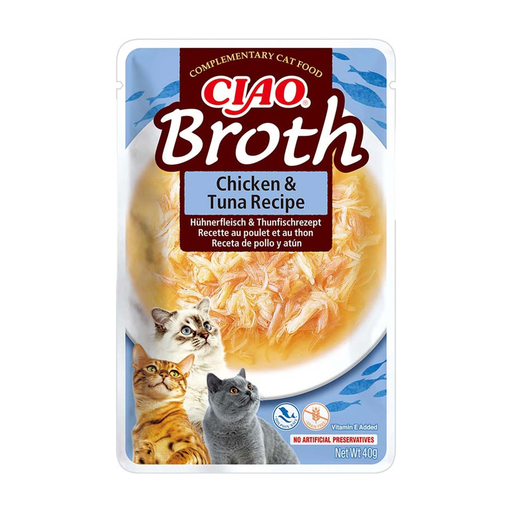
Why this fits the profile: This complementary cat food works well as a broth-like extra, topping or hydration incentive alongside complete cat food.
The label explicitly states complementary food. This makes it clear that you shouldn’t use it as a complete daily meal.
50g per pack; 93% moisture; chicken broth, chicken and tuna as listed ingredients.
We’ve put together a full, up-to-date list of products that fully meet these strict selection criteria and comply with current European safety regulations.
Yes, when the label states that it is complete food and the product matches the age and species. Complementary broths, treats and cat mousse are not automatically suitable as a complete meal. Follow the feeding guide and pay attention to any combination with dry food.
This varies by product. Many packs state a maximum of 48 hours refrigerated. INABA Broth Chicken with Tuna states 24 hours. Store leftovers covered in the fridge and always check the instructions on the packaging.
Compare the cost per kilogram and the daily portion, not just the price per tin. A multipack can be practical, while smaller portions result in less waste. The final cost depends on the energy content, your pet’s weight and the ratio of wet to dry food.
