
Vandaag of morgen in huis

Kwaliteit gegarandeerd

Welkomstaanbiedingen ontgrendelen: GRATIS bezorging | Tot 80% korting | Gratis 30 dagen JoyPlus-proefperiode
Download de app
Wet food may seem easy to choose: pick a flavour your dog or cat enjoys and that’s it. However, differences in animal species, life stage, nutritional value, portion size and texture can make a pack less suitable than expected. This applies to wet dog food, wet cat food, tinned dog food and cat food in gravy or jelly.
As a Joybuy Product Recommendation Officer, I filter the most important product information so you can compare marketing claims with verifiable details on the label.
The front of the pack often features chicken, beef, salmon or turkey prominently. That’s why it’s important to check the ingredients list. A description such as “with chicken” does not automatically mean that the product is mainly made from chicken. In some recipes, for example, the named ingredient may account for 4% of the chunks or 4% of the total recipe.
The same applies to dog food with chicken and beef and cat food with beef and chicken. Check the exact percentages and the full composition, rather than relying on the product name alone.
Soup, treats or a topper may be suitable as an addition, but they are not always intended as a daily staple. The packaging should clearly state whether it is:
Felix Soup Fish Wet Cat Food 6×48g, for example, is described as complementary food for adult cats. This means it is not the same as a complete daily meal. Combine it with complete food according to the feeding instructions.
A 405g tin or a 1.24kg pouch may be practical for several animals, but once opened, wet food should be refrigerated and generally used within 48 hours. In a household with one cat, small meal pouches may therefore help to reduce waste.
Also look out for damaged pouches, swollen tins or leaking packaging. Never feed your pet food from damaged packaging.
First check whether the food is intended for an adult dog, adult cat or kitten. Cat food and dog food are not interchangeable as daily nutrition. Kittens need kitten food with the appropriate nutritional designation. Whiskas Junior Classic Selection In Sauce Pouches Multipack 12×85g, for example, is intended for kittens aged 2 to 12 months.
Also pay attention to the feeding guidelines for weight and activity level. An active dog may need a different amount from a calm dog of the same weight. The guideline on the label remains the starting point; adjust the portion according to your pet’s body condition.
The texture affects how easy the food is to serve and eat:
Small 50g pouches are handy when a cat has several smaller meals throughout the day. Multipacks offer more flavour variety, but check that all varieties are complete food and suitable for the same life stage.
As well as the ingredients, check the analytical constituents, such as:
Compare products within the same product category. A high moisture content means that part of the weight consists of water. This means you cannot compare protein percentages in wet and dry food directly without taking the moisture content into account.
Claims relating to muscle support, vitality, or skin and coat are taken from product information. According to a brand’s own research, such claims may form part of its product communication, but they are not a guarantee for every individual animal. If your pet has allergies, is on a prescribed diet or has persistent symptoms, consulting a vet is wiser than changing its food yourself.
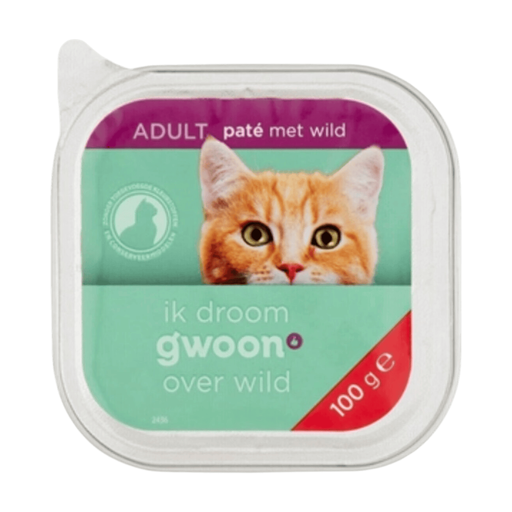
Why it suits this profile: A 100g pack is a manageable option for anyone who wants to try a soft pâté texture without buying a large supply straight away.
The product information states that it is for adult cats, has a pâté texture and that leftovers should be refrigerated for up to 48 hours. Check the current packaging before purchase.
100g, tinned packaging and beef as the stated variety. The soft texture is practical to portion out.
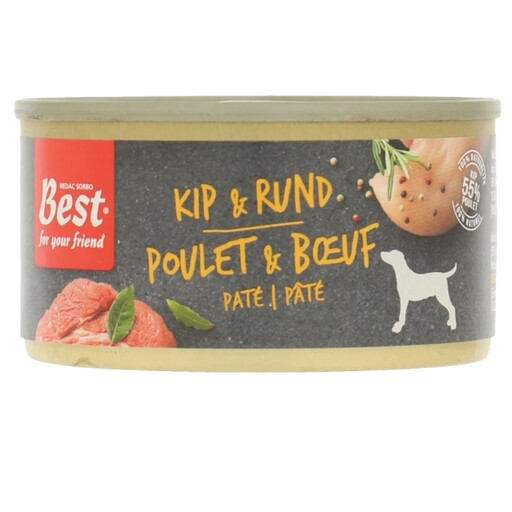
Why it suits this profile: Designed for owners of adult dogs looking for a soft pâté and a combination of chicken and beef.
The description explicitly mentions adult dogs, all sizes and complete food. The daily amount is linked to weight, age and activity level.
Pâté texture, tinned packaging and a nutritional profile with added vitamins and minerals, according to the product information.
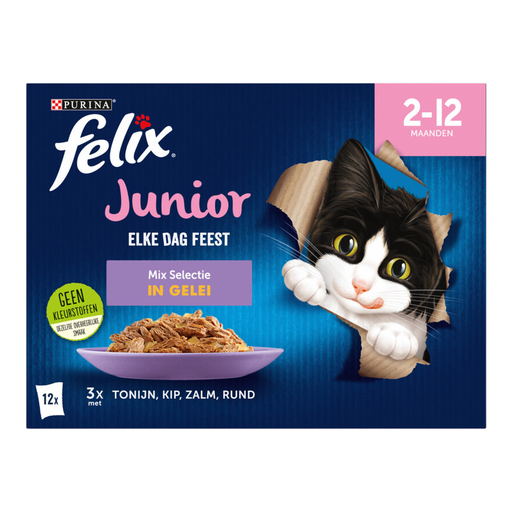
Why it suits this profile: A practical choice for kittens aged 2 to 12 months when portion sizes, variety and a life-stage-specific recipe matter.
The product information identifies it as kitten food and provides different guidelines for kittens under and over six months. This helps avoid confusion with adult cat food.
12 portions of 85g and several varieties, including chicken, beef, lamb and fish according to the composition.
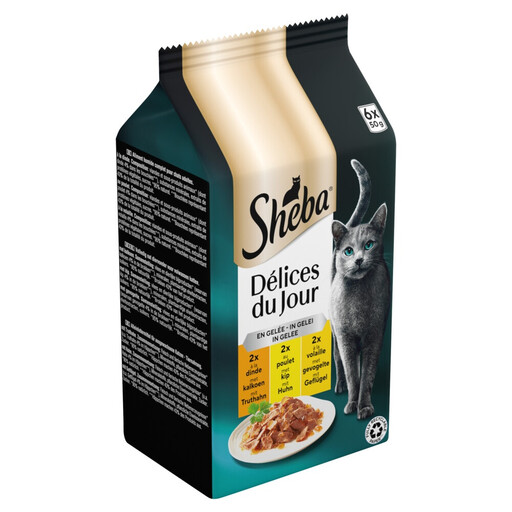
Why it suits this profile: Suitable for adult cats that enjoy cat food in jelly and individually portioned servings.
The multipack and portion packaging reduces the likelihood of having to store an opened large tin for a long time. Once opened, refrigeration and use within 48 hours remain important.
Chicken and turkey in jelly, complete food according to the product description, and portions that can be opened one at a time for each meal.
We’ve put together a complete, up-to-date list of products that fully meet these strict selection criteria and the applicable European safety regulations.
That depends on the wording on the label. If it states that the product is complete food for the correct animal species and life stage, it can be used as daily food according to the feeding guidelines. Complementary food, such as some soups, is intended to be served alongside a complete meal.
Store leftovers covered in the fridge and preferably use them within 48 hours, unless the packaging states otherwise. Serve wet food at room temperature when recommended in the product information. Throw away food that has been left out of the fridge for a long time or smells unusual.
A multipack may reduce the price per portion, but calculate the total quantity against your pet’s daily needs. For one cat, small pouches can help to reduce waste. For several animals or a large eater, a bigger pack may be more practical, provided you use the opened food promptly.
