
Vandaag of morgen in huis

Kwaliteit gegarandeerd

Welkomstaanbiedingen ontgrendelen: GRATIS bezorging | Tot 80% korting | Gratis 30 dagen JoyPlus-proefperiode
Download de app
A cat may prefer mousse, chunks in gravy or cat food with jelly. This does not always make choosing in the supermarket or online straightforward. An appealing package also says little about whether the food is suitable as a daily meal.
The most common pitfalls when choosing wet food for cats are:
For daily meals, look for the terms complete pet food or complete nutrition for cats. This means that, according to the product information, the product is intended to be given as the main food within the recommended quantities.
A product labelled complementary pet food is intended as an extra, topping or supplement. This often applies to:
For example, INABA Churu Cat Tuna is described as complementary food and, according to the product information, contains 91% moisture. It is therefore suitable as a treat or topping, but not as a replacement for complete wet cat food.
Texture plays a major role in whether your cat accepts the food:
Do not look only at the price per pack. Also work out the price per 100 grams. A large tin is only better value if your cat eats the contents in time and you store any leftovers properly in the fridge.
Wet food for adult cats is not automatically suitable for kittens or senior cats. Always check the intended age group on the label:
Also compare the analytical constituents, such as crude protein, fat, moisture and crude ash. These percentages can only be assessed properly alongside the full ingredients list and feeding guidelines. Product claims about muscles, immunity or the gut microbiome, for example, come from the manufacturer. Treat them as brand or product information rather than as a guaranteed effect.
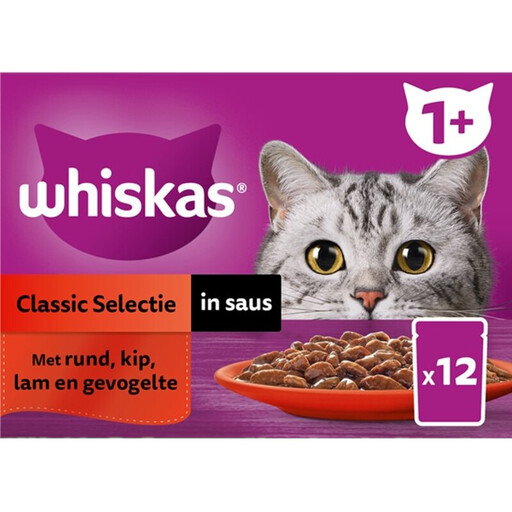
Why it suits this profile: A multipack with 12 portions of 85 grams offers a selection of meaty flavours in gravy and makes it easy to portion out each meal.
The product information states that this is complete wet food for adult cats. The individual pouches help to reduce waste and make storage after opening easier to manage.
12 portions of 85 grams; complete nutrition; mixed selection in gravy.
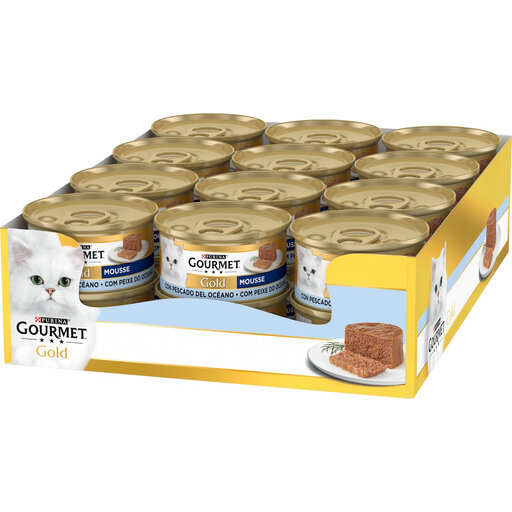
Why it suits this profile: The soft mousse texture and small tins are ideal for cats that prefer a smooth meal and set portions.
According to the product description, this is complete food for adult cats. The 85g tins help prevent a large opened pack from being stored unnecessarily long.
24 tins of 85 grams; mousse texture; according to the product information, complete and balanced for adult cats.
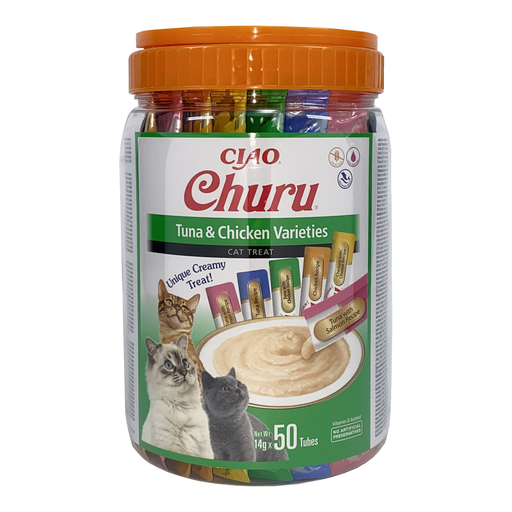
Why it suits this profile: This large multipack is designed for daily treats, interactive feeding or use as a topping alongside the main meal.
The product information explicitly describes it as complementary food. This makes it clear that the tubes are not intended to be used as a complete meal.
50 tubes of 12 grams; according to the product information, 91% moisture; suitable as a treat or topping.
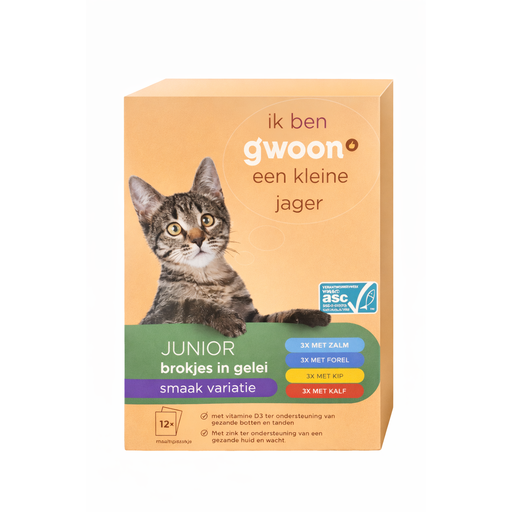
Why it suits this profile: The product information lists kittens as the intended age group and offers 12 portions of 100 grams with fish and meat in jelly.
The life stage is stated in the product information. Before buying, always check the current label and feeding guidelines for your kitten.
Junior designation; 12 portions of 100 grams; fish and meat selection in jelly.
We have put together a complete, up-to-date list of products that fully meet these strict selection criteria and the applicable European safety regulations.
That depends on your cat’s needs and preferences. Wet food generally contains plenty of moisture and can be useful for cats that do not drink much. Dry food lasts longer after opening and is easier to portion. With both types, check that they are complete foods and adjust the total quantity when combining wet and dry food.
Always follow the label. The product information mentioned above states for various products: keep covered in the fridge and use within a maximum of two days. Liquid treats and broths sometimes have a shorter shelf life, for example within 24 hours. Do not leave wet food at room temperature for long periods and discard leftovers if they no longer smell fresh or look different.
Use the feeding guide on the packaging as a starting point. The amount required varies according to weight, age, activity level and whether it is combined with dry food. For example, one product may recommend two to three tins per day for a cat weighing around four kilograms, while another may suggest three to four pouches. Treat these guidelines as a starting point and, if in doubt or if your cat has specific nutritional needs, consult a vet.
