
Vandaag of morgen in huis

Kwaliteit gegarandeerd

Welkomstaanbiedingen ontgrendelen: GRATIS bezorging | Tot 80% korting | Gratis 30 dagen JoyPlus-proefperiode
Download de app
A device that vacuums and mops simultaneously sounds like a dream for any modern household. No more hassle with buckets and mops after vacuuming—just a clean floor in a single pass. However, buying a wet & dry vacuum can sometimes lead to disappointment. Marketing promises don't always match real-world performance. Before you make a choice, it's crucial to understand the common pitfalls to ensure you buy a product that genuinely saves you time.
Many devices look great on paper but have design flaws that cause frustration in practice. Pay attention to the following points to avoid buyer's remorse.
Manufacturers often advertise long runtimes of 45 minutes or more. What they don't always mention is that this is measured in the lowest, least powerful mode. As soon as you tackle dried-on spills or muddy paw prints and switch to turbo mode, the battery can die in as little as 15 minutes. This is not enough time to clean the entire house.
One of the biggest annoyances is a cleaning head where the brush roller doesn't reach the edge. The result: an uncleaned strip of dirt and dust along walls, baseboards, and furniture. This forces you to get on your knees with a cloth to clean the edges, defeating the whole purpose of saving time.
A self-cleaning cycle sounds convenient, but it isn't always effective. If the brush roller remains wet and dirty in the station after rinsing, it becomes a breeding ground for bacteria and can start to smell musty. Emptying and cleaning a poorly designed dirty water tank can also be an unpleasant chore.
To avoid these pitfalls, it's important to look beyond the marketing and focus on a few key specifications.
A good all-in-one vacuum and mop should always have a dual-tank system. This system separates clean water from the dirty water it collects. This ensures you're always mopping the floor with fresh water instead of just spreading dirty water around. This is an absolute must-have for a hygienic result.
Suction power, often expressed in Pascals (Pa), is crucial for picking up heavier debris and is essential for a good vacuum for pet hair. However, higher suction power consumes significantly more energy. Look for a balance: a model with a realistic runtime of 30-40 minutes in standard mode is sufficient for most homes. For larger spaces or for those seeking ultimate convenience, a robot vacuum with mopping function can be an interesting option.
An effective self-cleaning cycle does more than just rinse. Advanced models feature a hot-air drying function in the base station. This completely dries the brush roller after cleaning, preventing the growth of bacteria and unpleasant odours. This makes maintaining your hard floor cleaner significantly easier and more hygienic.
Based on these criteria, we have selected a few models that suit different households and needs.
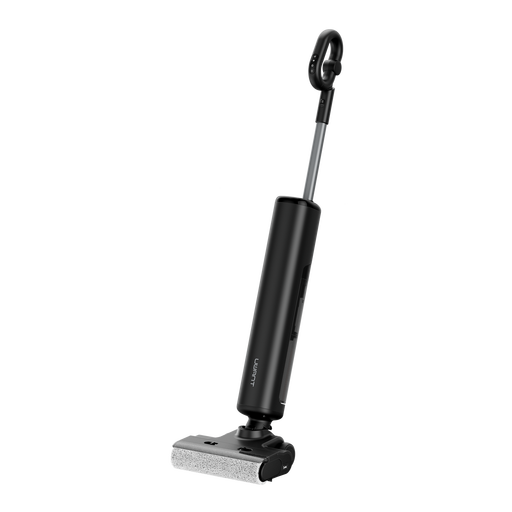
Why This Fits Their Persona: Ideal for a household with daily spills. This machine effortlessly handles sticky food residue, knocked-over cups, and muddy paw prints, thanks to its powerful suction and hot water cleaning capability.
The hot-air drying in the station tackles pitfall #3 (maintenance) by keeping the brush hygienically dry. Its dual edge-to-edge cleaning effectively solves pitfall #2 (dirty edges).
180° lay-flat design to get under low furniture. Self-cleaning station with 100°C hot water and hot-air drying.
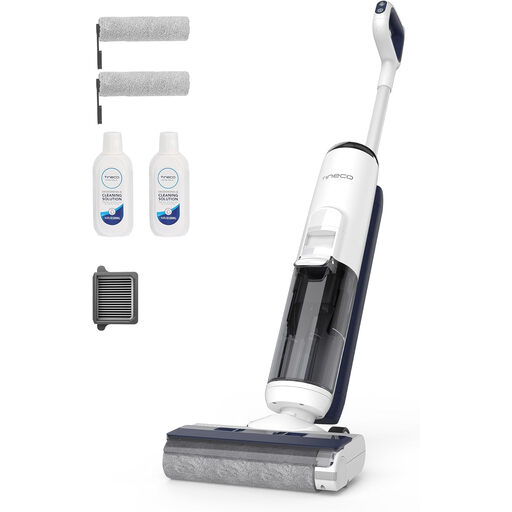
Why This Fits Their Persona: Perfect for apartments or smaller homes. Its lightweight (4.3 kg) and cordless design make it ideal for multi-story homes or those with limited storage space, without compromising on cleaning performance.
This model is specifically designed for edge cleaning (up to 0.5 cm), avoiding pitfall #2. The battery life is balanced for small to medium-sized areas, making pitfall #1 (unrealistic battery life) less of an issue.
Very lightweight and manoeuvrable, making it easy to move around the house and up and down stairs. Effective edge cleaning for a completely clean result.
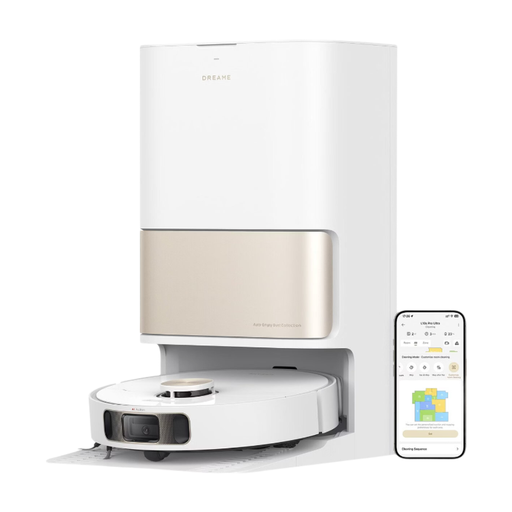
Why This Fits Their Persona: For those who seek maximum convenience and automation. This robot vacuum and mop completely takes over the cleaning work, from navigating and cleaning to self-washing and drying its mops in the base station.
It solves all pitfalls through automation. Battery life is a non-issue as it recharges itself. Edges are handled with MopExtend technology. Maintenance is minimal thanks to the fully automated base station.
Fully automated base station that washes mops, dries them with hot air, and refills the water tank. Powerful 7000Pa suction.
We have compiled a complete, up-to-date list of products that meet these selection criteria and local regulations.
The most important step is to empty and rinse the dirty water tank immediately after each use. Always use the self-cleaning function as well. If your model has a hot-air drying feature, ensure it completes its cycle. Finally, clean the filters regularly according to the manufacturer's instructions to maintain optimal airflow and suction power.
Most cordless vacuum and mop combo models are primarily designed for hard floors like laminate, vinyl, tile, and sealed wood. Some have a separate mode or brush for refreshing low-pile carpets, but they are not a substitute for a dedicated carpet cleaner. For deep cleaning carpets, specific carpet cleaners or more powerful, traditional wet & dry vacuums are a better choice.
Although the terms are often used interchangeably, there is a functional difference. A cordless vacuum and mop combo is typically a slim, wireless device for daily maintenance of hard floors. A traditional wet & dry vacuum (sometimes called a shop-vac) is often a larger, more powerful corded unit designed for heavy-duty jobs in the garage, workshop, or for sucking up large amounts of liquid.
