
Vandaag of morgen in huis

Kwaliteit gegarandeerd

Welkomstaanbiedingen ontgrendelen: GRATIS bezorging | Tot 80% korting | Gratis 30 dagen JoyPlus-proefperiode
Download de app
A wet and dry vacuum cleaner can pick up spills, remove dust and, in some cases, mop floors or wash carpets. That sounds convenient, especially in homes with children or pets. However, you won’t automatically get one appliance that does every cleaning job well. A hard-floor cleaner works differently from a carpet or upholstery cleaner.
So the key question isn’t how many features an appliance lists on the box, but which surfaces you actually want to clean and how much maintenance you’re prepared to do.
A high figure in Pa usually refers to maximum suction pressure. It doesn’t tell you everything about liquid pick-up, brush design or performance on carpet. A vacuum cleaner with powerful suction may be suitable for dry dirt, but less practical for dispensing water evenly.
So also look for:
A self-cleaning vacuum cleaner usually rinses the roller and internal pipes. That doesn’t mean you won’t need to do anything else. The dirty-water tank needs to be emptied after use, and filters should be rinsed and left to dry completely, as instructed in the manual.
Some models also have a drying function. Check whether this actively dries the brush or simply runs a short rinse cycle. Any moisture left behind can cause odours and reduce suction power.
A vacuum cleaner with a mopping function is often designed for sealed wood, tiles, vinyl or laminate. Carpets, sofas and car seats usually need a carpet cleaner with spray extraction. Only use an appliance on the surfaces listed in the product information or manual.
Suction power in Pa is a useful figure for comparing models, but it doesn’t measure performance in full. Motor output in watts mainly indicates how much electrical power the motor uses. A cordless wet and dry vacuum cleaner also has a limited battery life. So look at the combination of:
A model offering 30 to 40 minutes of run time is often suitable for everyday cleaning in one or more rooms. For a large home, a model with a longer stated run time may be more practical, but always check whether that figure applies to a particular mode.
The clean-water tank determines how long you can mop before needing to refill it. The dirty-water tank determines how much dirty water the appliance can collect. A dual-tank system means you won’t keep cleaning with the same water.
Consider both the capacity and how the tank is emptied. A larger tank can mean fewer interruptions, but it also makes the appliance heavier. For example, the UWANT D100 is listed with a 650 ml clean-water tank and a 700 ml dirty-water tank. With more intensive use, empty the dirty-water tank after cleaning, even if it isn’t full yet.
Only use cleaning solution approved by the manufacturer. According to Tineco’s safety information, certain models must not be used with highly foaming solutions, as these can affect the sensors and motor. Also check that the filter is completely dry before putting it back.
Don’t use a wet and dry vacuum cleaner for:
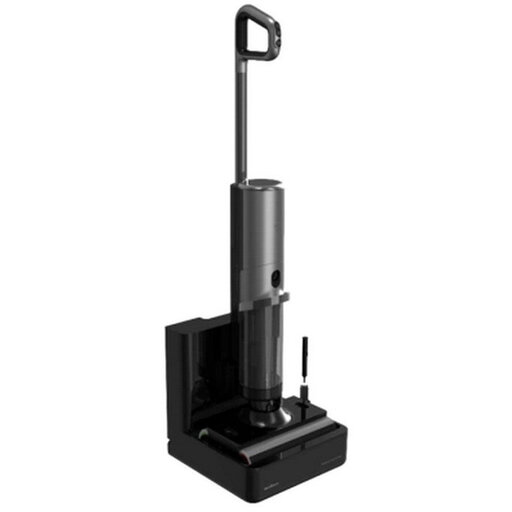
Why it suits this type of user: This cordless model combines vacuuming and mopping for everyday use, with a stated run time of up to 40 minutes.
The product specifications list a separate water function and a 0.6-litre tank. This makes its intended use clearer than that of a standard dry vacuum cleaner.
Cordless design, mopping function and a stated appliance weight of 2.3 kg.
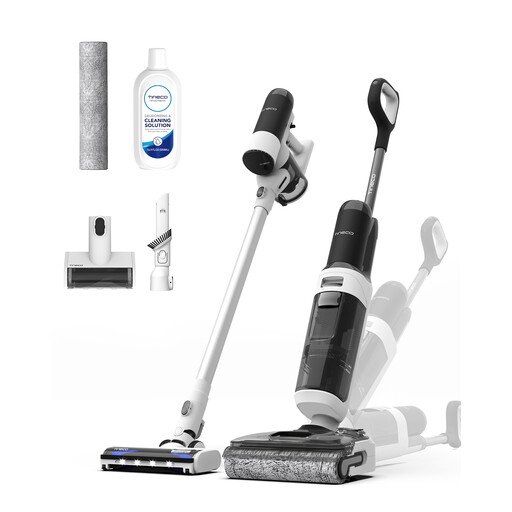
Why it suits this type of user: A good choice if you’re looking for one cordless appliance to handle several cleaning tasks around the home, with a stated run time of 65 minutes.
The product description mentions 180° flat cleaning, self-cleaning and edge cleaning on both sides. When using it, make sure you don’t exceed the MAX line on the dirty-water tank.
Long stated battery life, a flat design and a self-cleaning function.
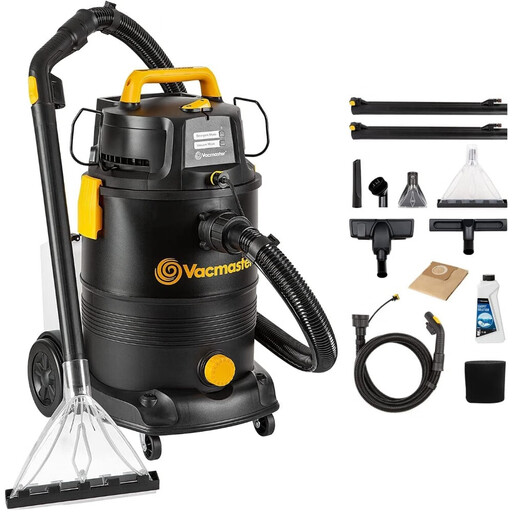
Why it suits this type of user: A good option for larger cleaning jobs involving carpets, upholstery, car interiors and hard floors, when plugging into a mains socket isn’t a problem.
The description lists separate filters for wet and dry use, as well as a dual-tank system for cleaning solution and collection.
30-litre collection capacity, a 6-litre cleaning solution tank and 1300 watts of power, according to the product specifications.

Why it suits this type of user: This compact model is designed to tackle stains on carpets, rugs, sofas, stairs and car seats.
The 1.8-metre hose and dual tanks are designed specifically for spot cleaning, rather than everyday mopping of large hard floors.
500 watts of power, dual water tanks and a compact design for home and car.
We’ve put together a complete, up-to-date list of products that meet these strict selection criteria and the applicable European safety regulations.
A wet and dry vacuum cleaner will stay in good working order for longer if you follow a few simple steps after each use:
An anti-tangle brush is useful for pet hair, but it can’t guarantee that no hair will ever wrap around the roller. Check the brush regularly. When cleaning fabrics, it’s best to vacuum them dry first, then use water or cleaning solution.
It depends on the model. A hard-floor cleaner isn’t automatically suitable for carpets. Choose an appliance whose manufacturer explicitly lists carpet cleaning, spraying and dirty-water pick-up. A compact upholstery cleaner is best suited to spot cleaning.
Costs include electricity, water, filters, rollers and, if needed, a suitable cleaning solution. Cordless models also involve battery life and charging time. A self-cleaning appliance can make maintenance easier, but uses extra water and electricity during the cycle.
Its lifespan depends on how often you use it, how you store it and how well you maintain it. Empty the tanks after each clean, let the filters dry and don’t use the appliance for prohibited liquids or sharp materials. Before buying, also check whether replacement rollers and filters are available.
