
Vandaag of morgen in huis

Kwaliteit gegarandeerd

Welkomstaanbiedingen ontgrendelen: GRATIS bezorging | Tot 80% korting | Gratis 30 dagen JoyPlus-proefperiode
Download de app
A wet and dry vacuum cleaner with a mopping function can tackle crumbs, dust and spilled liquids in one go. However, not every model is suitable for every type of flooring or cleaning task. A cordless floor cleaner for everyday use differs considerably from a carpet cleaner with large water tanks or a robot vacuum with a mopping function.
The right choice therefore starts not with the number of features listed on the packaging, but with how you intend to use the appliance.
Figures such as 13,500 or 22,000 Pa sound impressive, but they do not tell the whole story. The brush, airflow, floor head and filter also affect cleaning performance. What is more, suction power figures from different brands are not always measured under the same conditions.
Use Pa as one point of comparison, but also consider:
A self-cleaning floor cleaner can automatically rinse the brush roller after use. However, you will usually still need to empty the dirty-water tank, allow components to dry and clean the filters. If you do not, odours and blockages may develop.
So check what the self-cleaning function actually does. On some models, it involves rinsing, while on others it also includes warm air or heating during drying.
A cordless vacuum cleaner with a mopping function is often designed for smooth, moisture-resistant floors. Examples include tiles, PVC, vinyl, laminate or sealed wood. Rough flooring, untreated wood or deep-pile carpets may be less suitable.
For sofas, car seats and carpets, you will often need a separate spray-extraction cleaner. A robot vacuum with a mopping function is mainly intended for maintenance cleaning rather than vacuuming up puddles.
A hard-floor cleaner uses a combination of water, a brush roller and suction power. The appliance usually collects dirty water in a separate tank. This is practical for kitchen, hallway and living-room floors.
Pay attention to the wording in the product description. ‘Suitable for hard floors’ does not automatically mean that the appliance is suitable for every type of parquet or laminate flooring. Follow the manufacturer’s instructions and avoid surfaces for which the model is not intended.
For carpets, furniture or car interiors, a wet and dry vacuum cleaner with a spray or extraction function is more suitable. These models often have larger tanks and special nozzles.
A cordless model is easy to manoeuvre, but the operating time determines how much you can clean in one session. Do not only look at the maximum runtime; also check the charging time and the capacity of the tanks.
Practical guidelines:
A corded model has no battery limitation, but it does require a power socket and careful handling of the cable.
An anti-tangle or Anti-Hairwrap function can help reduce hair wrapping around the brush. This is particularly relevant for households with pets or long hair. Also check whether the brush can be removed easily.
A drying function can help the brush dry faster after rinsing. This does not eliminate regular maintenance: empty the dirty-water tank after use and allow removable components to dry according to the instructions.
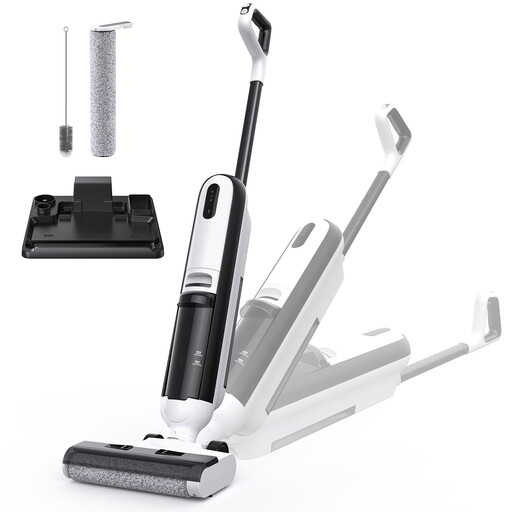
Why it suits this profile: This cordless model is designed for everyday cleaning of hard floors and weighs 4 kg. According to the product specifications, it has a maximum runtime of 30 minutes.
The specifications list separate 540 ml clean-water and 460 ml dirty-water tanks. However, the self-cleaning cycle still requires the tanks to be emptied and cleaned after use.
Advertised maximum suction power of 16,000 Pa, a weight of 4 kg and a self-cleaning function.
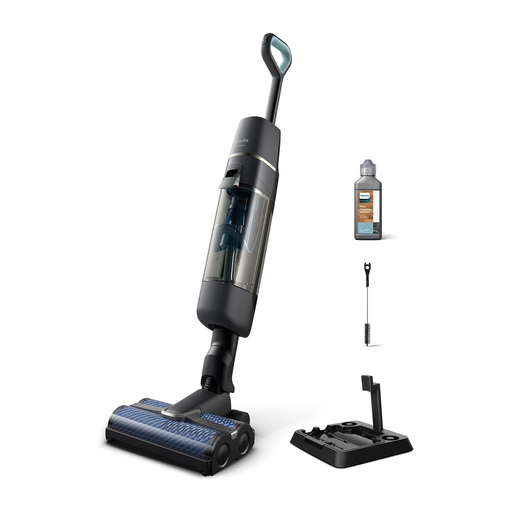
Why it suits this profile: This model combines vacuuming and mopping in one appliance and is suitable for households that value clearly defined modes and automatic cleaning.
The product information lists three cleaning modes, including water pick-up. The maximum runtime is 25 minutes and charging takes approximately 4 hours, so bear this in mind.
AquaSpin technology, automatic brush cleaning, LCD display and a 0.67-litre clean-water tank.
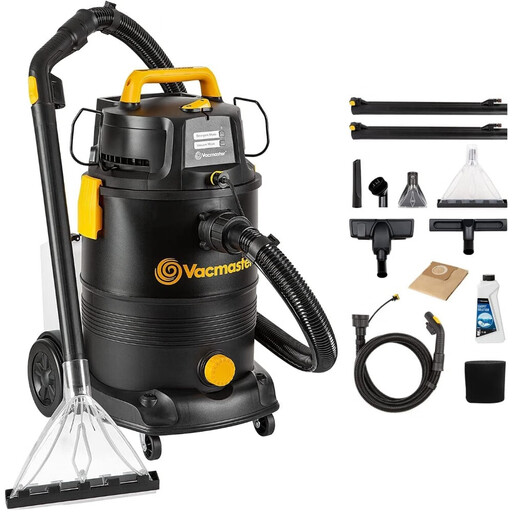
Why it suits this profile: This model is designed for larger or more demanding jobs on carpets, furniture, stairs and car interiors. It is a corded appliance with a large collection capacity.
The product specifications make its intended use clear: a 30-litre collection capacity and a separate 6-litre cleaning-solution tank. This is not a lightweight model for quick everyday cleaning.
1300 watts, a 30-litre tank, dual-tank construction and accessories for carpets, upholstery and car interiors.
We have put together a complete, up-to-date list of products that fully meet these strict selection criteria and the applicable European safety regulations.
A robot is particularly useful for scheduled maintenance cleaning. According to the product information, models such as the Lubluelu L15 Ultra combine laser navigation, app control, vacuuming and mopping. The maximum suction power is listed as 4000 Pa and the runtime as up to 180 minutes. However, you will need to prepare the room first: cables, small objects and liquids can cause problems.
A manual wet and dry floor cleaner gives you more control over stubborn stains and edges. A robot can save time for everyday maintenance, while a handheld model is generally more practical for spilled liquids or sticky dirt.
Before buying, check which components need to be replaced regularly. Consider:
Only use water or cleaning products that are approved in the instruction manual. Do not vacuum up flammable liquids, hot ash, sharp objects or hazardous chemicals. With a wet and dry vacuum cleaner with a mopping function, emptying and drying the dirty-water system is part of normal use.
Only if both the model and the flooring are suitable for laminate. Check whether the manufacturer mentions laminate and do not use more water than recommended. Do not leave the floor wet for prolonged periods.
Battery life varies depending on the model and cleaning mode. In the examples mentioned, the product specifications give runtimes ranging from approximately 25 to 50 minutes. Actual runtime depends on the selected mode, surface and battery condition.
That depends on maintenance and consumable parts. You use one appliance, but still need to account for filters, brushes, cleaning solution and possible battery maintenance. So do not compare only the purchase price; also consider the cost per cleaning session and the availability of replacement parts.
