
Vandaag of morgen in huis

Kwaliteit gegarandeerd

Welkomstaanbiedingen ontgrendelen: GRATIS bezorging | Tot 80% korting | Gratis 30 dagen JoyPlus-proefperiode
Download de app
A wet and dry vacuum cleaner might seem like a practical combination of a vacuum cleaner and a mop. In practice, however, these appliances vary considerably in how they’re used. Some are designed for hard floors, while others are made for carpets, furniture, car interiors or workshops. If you focus only on suction power or a low price, you could end up with a machine that doesn’t suit your everyday cleaning needs.
Common pitfalls include:
A vacuum and mop in one is particularly useful for hard floors where crumbs, spilled drinks or mud are a daily occurrence. Check whether the manufacturer lists vinyl, tiles, laminate or sealed wood as suitable surfaces. Don’t assume that a wet cleaner can be used on untreated wood, delicate floors or surfaces that aren’t water-resistant.
Textiles need a different type of cleaner. A carpet cleaner or upholstery cleaner typically uses water and cleaning solution to treat fibres and fabric. Check the drying time, tank capacity and the nozzles included.
For a cordless vacuum cleaner, three specifications are key:
A compact model weighing around 4 kilograms is easier to lift and manoeuvre around furniture. A workshop model with a 20 to 30 litre tank is heavier, but better suited to larger volumes of liquid and coarser debris.
A self-cleaning vacuum cleaner can automatically rinse the roller brush after use. Some models also dry the brush with warm air. This reduces the number of steps you need to do by hand, but you’ll still need to empty the dirty water tank and check the filters.
Also check:
The selection below is based on the product specifications provided and the stated intended use. Brand claims about drying time, bacteria removal or surface coverage, for example, aren’t independently verified; treat them as information from the product description.
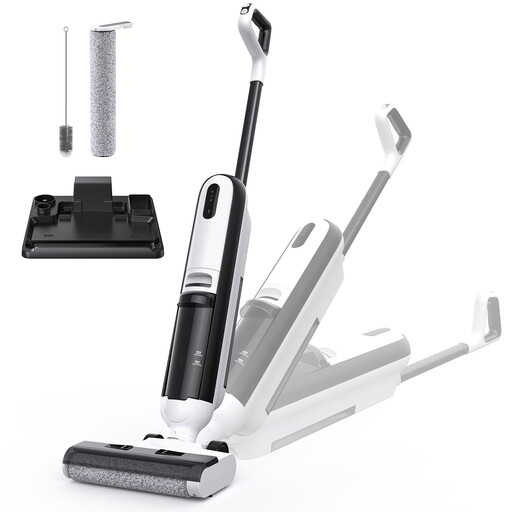
Why it suits this profile: This cordless model is designed for everyday cleaning of hard floors and has a stated run time of 30 minutes. The clean water tank holds 540 ml and the dirty water tank 460 ml.
The product information clearly states the tank capacities, 4-hour charging time and run time. This makes it easier to judge its practical capacity than relying on a suction power figure alone.
Stated suction power of 16,000 Pa, self-cleaning programme, weight of 4 kg and separate clean and dirty water tanks.
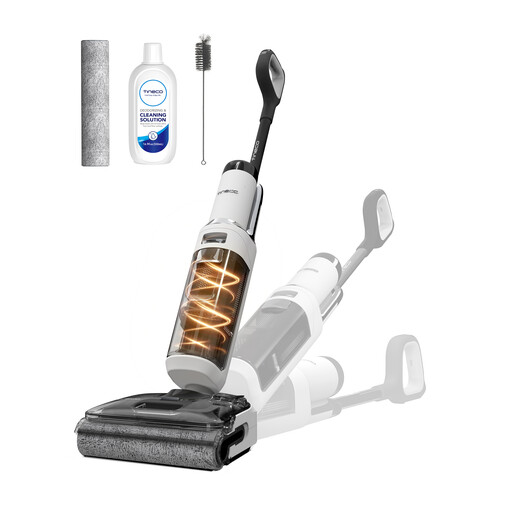
Why it suits this profile: Its 180° lay-flat design is intended to help you clean under low furniture too. The stated run time is 40 minutes.
The product description recommends it for hard floors and warns that rough surfaces may not be as suitable. This makes its limitations clear.
13 cm lay-flat height, 3-sided edge cleaning, 5-minute FlashDry self-cleaning and a weight of 4.5 kg.
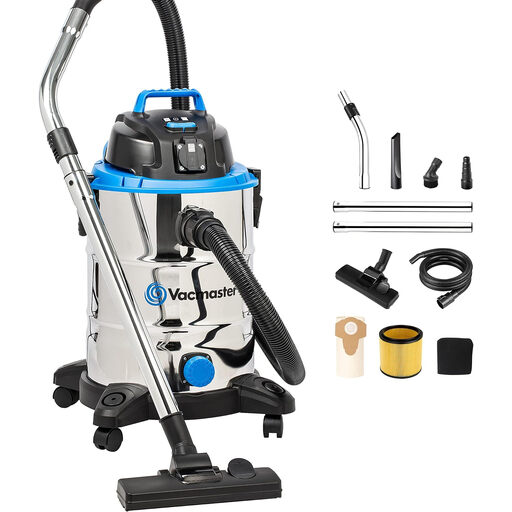
Why it suits this profile: This corded model has a 30-litre stainless steel tank and is designed for garages, workshops and bigger cleaning jobs.
The large tank and separate filters for dry and wet use make its intended applications clear. This isn’t a lightweight floor cleaner for quick everyday jobs, but a model for more intensive tasks.
1,500 W motor, 30-litre tank, blower function and an integrated 240 V EU socket for power tools.
We’ve put together a full, up-to-date list of products that meet these strict selection criteria and the applicable European safety requirements.
Not every model is suitable. A floor cleaner for hard floors is usually designed for tiles, vinyl, laminate or sealed wood. For carpets, choose an appliance that specifically mentions carpet cleaning, shampooing or textile cleaning. A carpet cleaner may be a better choice than a standard vacuum mop.
Empty the dirty water tank after every use and follow the instructions for the roller brush and filters. A self-cleaning programme helps rinse the brush, but components often still need to dry completely. This helps prevent leftover moisture or dirt from affecting your next cleaning session.
As well as the purchase price, remember to factor in electricity, cleaning solution, filters, brushes and, if applicable, battery replacement. A corded model doesn’t need charging, while a cordless floor cleaner offers more flexibility but may have a limited run time and a longer charging time. So compare not only the price, but also the accessories included and the availability of replacement parts.
