
Vandaag of morgen in huis

Kwaliteit gegarandeerd

Welkomstaanbiedingen ontgrendelen: GRATIS bezorging | Tot 80% korting | Gratis 30 dagen JoyPlus-proefperiode
Download de app
A wet and dry vacuum cleaner can tackle dust, crumbs, hair and spilt liquids in one cleaning session. That sounds straightforward, but not every model is right for every home. A machine for everyday cleaning of hard floors works differently from a carpet cleaner for sofas, stairs or car interiors.
The biggest buying mistakes usually stem from three misconceptions:
First, check whether you’re mainly looking for a vacuum cleaner for hard floors, carpets or upholstery. Many stick models with a mopping function are designed for water-resistant floors such as tiles, PVC and certain varnished wooden floors. Don’t use a wet-cleaning function on unfinished or moisture-sensitive surfaces.
For carpets, rugs, sofas and car seats, a separate spray-extraction cleaner is often more practical. These machines apply water and cleaning solution, then suck the dirty water back up. Vacuum loose hair and crumbs first, as instructed for various Vacmaster and Bissell models.
A larger clean-water tank means fewer interruptions, but it also makes the machine heavier. So check both tanks:
On a model with a recline or 180° function, the dirty-water tank must not be filled above the marked maximum line. The Tineco Floor One Switch S6 comes with a specific warning about this, as moisture could otherwise reach the motor.
A cordless vacuum cleaner is handy for quick clean-ups, but check the balance between runtime, charging time and weight. According to the product information, the Philips XW7110/01 has a maximum runtime of 25 minutes, takes around four hours to charge and has a 0.67-litre clean-water tank. That may suit a flat or everyday cleaning, but could be less practical for a large, multi-storey home.
Also check which parts are included and whether filters, rollers and cleaning solution are readily available. Don’t use foaming products unless the manufacturer explicitly states that they’re suitable. Tineco’s safety information warns that heavily foaming liquids can put strain on the sensors or motor.
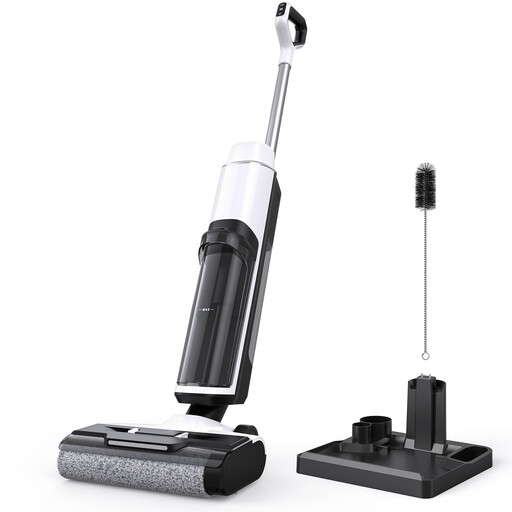
Why it suits this profile: This cordless model combines dry pick-up, wet cleaning and self-cleaning for everyday cleaning on hard floors.
The three cleaning modes let you clean regularly, pick up dry debris or tackle a more intensive clean without having to switch machines.
According to the product specifications: up to 30 minutes of use, maximum suction power of 15,000 Pa, a 910 ml tank and a 600 ml dirty-water tank.
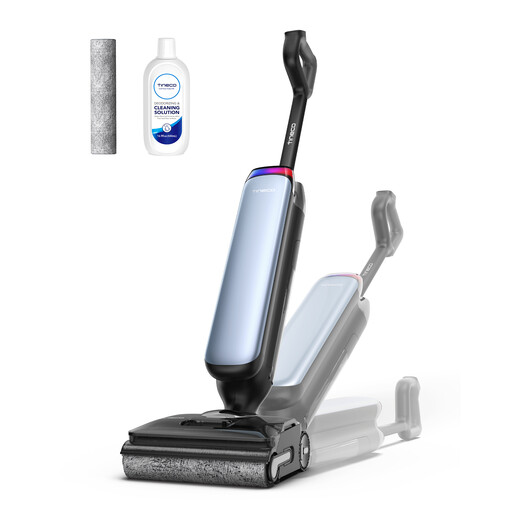
Why it suits this profile: Its stated suction power of 22 kPa, 180° recline function and dual-edge cleaning are aimed at households that value reach and a thorough everyday clean.
The specifications mention anti-tangle technology, self-cleaning and flash drying. Check the current package contents and care instructions before ordering.
The product name states up to 50 minutes of runtime, 85 °C flash drying and the ability to clean under furniture when laid flat at up to 180°.
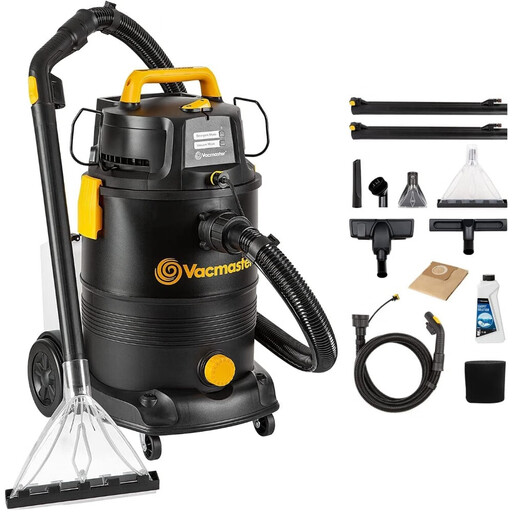
Why it suits this profile: This model is designed for bigger cleaning jobs on carpets, upholstery, stairs and car interiors, with a mains connection for extended use.
Separate filters for dry and wet use make it clear that you need to choose the right set-up, rather than using one filter for every task.
According to the product specifications: 1,300 W, a 30-litre collection tank, a 6-litre detergent tank and HEPA exhaust filtration for dry vacuuming.
We’ve put together a complete, up-to-date list of products that meet these strict selection criteria and the applicable European safety regulations.
A wet and dry vacuum cleaner uses more than just electricity. Remember to factor in cleaning solution, replacement filters, brush rollers and storage space. A self-cleaning model can save time, but check whether the programme also dries the brush. With manual models, you’ll need to empty the tanks after every cleaning session and leave the parts to dry to help prevent odours.
For families with children or pets, anti-tangle technology is useful for dealing with hair, but you’ll still need to remove long hairs from the brush regularly. Also, only use a stain cleaner on materials that can be cleaned with water according to their care label. Test the cleaning solution on an inconspicuous area of a sofa or carpet first.
It depends on the type. A floor cleaner with a mopping function is usually designed for hard floors. For carpets, sofas and car seats, you’ll need a spray-extraction model, such as a carpet or upholstery cleaner with separate clean- and dirty-water tanks.
Its lifespan depends on how you use, store and maintain it. Empty the dirty-water tank after every cleaning session, rinse the brush as instructed in the manual, and only put filters back once they’re completely dry. Also check whether replacement parts are available separately.
Not necessarily. You’ll only need to buy one machine, but you may still need filters, rollers and suitable cleaning solution. A combined model can be practical for everyday cleaning of hard floors. If you only deal with a few stains a month, a compact spot cleaner may make more sense than a full-size cordless floor cleaner.
