
Vandaag of morgen in huis

Kwaliteit gegarandeerd

Welkomstaanbiedingen ontgrendelen: GRATIS bezorging | Tot 80% korting | Gratis 30 dagen JoyPlus-proefperiode
Download de app
A wet and dry vacuum cleaner can tackle spilt drinks, crumbs, pet hair and stubborn dirt in a single clean. But not every model works in the same way. Some are designed mainly for hard floors, while others can also clean carpets, sofas, stairs or car interiors.
The right choice therefore depends on more than just the highest suction figure. Consider maintenance, tank design, power supply and the types of flooring in your home too.
Specifications such as 13,500, 18,000 or 23,000 Pa may sound impressive, but they don’t fully indicate how easy a machine is to use day to day. The brush design, airflow, water drainage and shape of the nozzle all affect the results too.
A wet and dry vacuum for hard floors is also designed differently from a carpet washer. Always check that the manufacturer says the model is suitable for your flooring.
A self-cleaning vacuum cleaner can automatically rinse the brush roller and internal pipes. You’ll usually still need to empty, rinse and dry the dirty water tank afterwards. Otherwise, lingering moisture or dirt can cause unpleasant odours.
Before buying, check:
A cordless floor cleaner is handy for cleaning multiple floors, but battery life varies by mode. The stated runtime often applies only under specific conditions. A model offering 30 to 40 minutes may not be enough for a large home, though it could suit a flat.
A corded model generally provides a constant power supply. However, you’ll need to consider the location of sockets and the length of the cable while cleaning.
Use Pa figures as a guide, not as your only buying criterion. A model with powerful suction can pick up dry dirt and liquids efficiently, but only if the nozzle fits your floor well.
Check whether the appliance is suitable for:
A mop-function stick vacuum is particularly practical for hard floors and everyday spills. For a deeper clean of fabrics, a separate carpet cleaner or upholstery cleaner is often a better choice.
For a vacuum and mop in one, it’s important to have two separate tanks: one for clean water and one for dirty water. This stops dirty water from being spread over the floor again. Larger tanks mean fewer interruptions, but they also make the appliance heavier.
Pay attention to the filtration system too. Some models use a HEPA exhaust filter for dry vacuuming; according to the manufacturer’s product information, the filter must be fitted correctly and completely dry. Never use a wet and dry vacuum for flammable liquids, hot ash, sharp objects or hazardous chemicals.
A floor cleaner is often used in the middle of the living room. A stated noise level of, for example, 50 to 55 dB may sound appealing, but check whether this is the normal or maximum level. Also consider the weight, the brush head’s swivel angle and whether the appliance can lie flat to clean under a sofa.
For furniture and stairs, portability and accessories matter more than simply having a large tank. A model with a long cable can be practical here, while a cordless one offers greater freedom of movement.
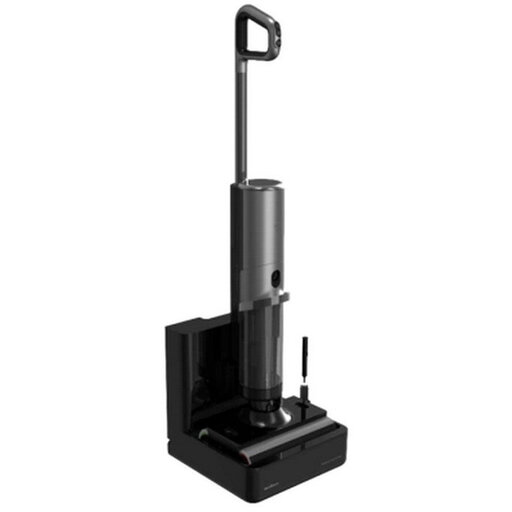
Why it suits this type of user: This cordless model combines vacuuming and mopping for everyday use on hard floors. According to the product information, it offers up to 40 minutes of use and has a 0.6-litre tank.
The clearly stated runtime and tank capacity make it easier to match the appliance’s capacity to a flat or smaller home.
Cordless design, mop function, 0.6-litre tank and a stated runtime of up to 40 minutes.
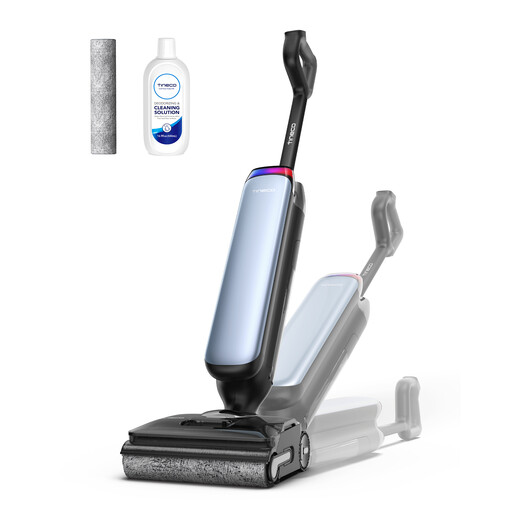
Why it suits this type of user: According to its product name, this model features 22 kPa suction power, 360° SmoothDrive, an anti-tangle function, dual-edge cleaning and a stated runtime of 50 minutes.
The combination of an anti-tangle function and self-cleaning addresses two maintenance tasks that need extra attention in homes with lots of hair.
22 kPa according to the product name, a stated runtime of 50 minutes, a 180° lie-flat design and 85 °C FlashDry self-cleaning according to the product information.
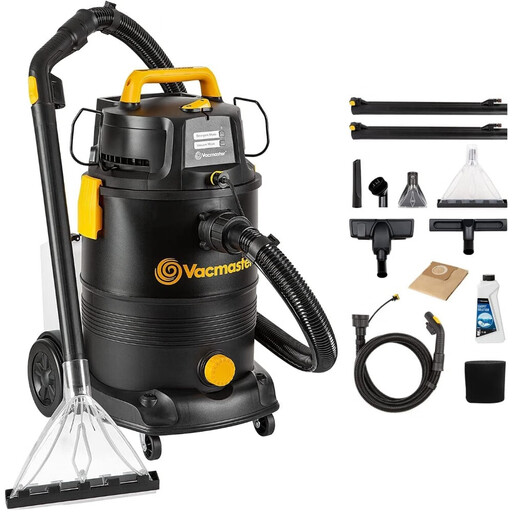
Why it suits this type of user: According to the product information, this wet and dry vacuum is designed for hard floors, carpets, car interiors and upholstery. The collection tank has a capacity of 30 litres, while the detergent tank holds 6 litres.
The large tanks are designed for longer cleaning sessions, so you’ll need to stop less often to top up the water or empty the dirt.
1300 W, 30-litre collection capacity, 6-litre detergent tank and accessories for wet, dry and carpet cleaning.
We’ve put together a complete, up-to-date list of products that meet these strict selection criteria and the applicable European safety regulations.
The purchase price is only part of the overall cost. Check whether you’ll need to replace filters, brush rollers, bags or cleaning solution regularly. A bagless model can help reduce ongoing costs for dust bags, but its filters will still need maintenance.
After each wet cleaning session, it’s a good idea to:
A pet vacuum cleaner needs extra attention to hair wrapped around the brush roller. Only use a carpet or upholstery cleaner on materials that, according to their care labels, are suitable for wet cleaning.
It depends on the finish and the manufacturer’s instructions. Only use a model that’s suitable for sealed hard floors, and use a limited amount of water. Don’t leave puddles behind and, if in doubt, check with your flooring supplier.
Its lifespan depends on how often you use it, how well you maintain it and whether spare parts are available. Regular emptying, rinsing and drying helps reduce wear and unpleasant odours. An appliance that also cleans carpets or furniture may get dirty more quickly than a model used only for hard floors.
It depends on your household. A combination appliance can save time and storage space, especially when dealing with spilt liquids and everyday dirt. However, a separate carpet cleaner may be more practical for large carpets, furniture or heavy-duty cleaning. So don’t compare the price alone: consider maintenance, accessories, battery life and replacement parts too.
