
Vandaag of morgen in huis

Kwaliteit gegarandeerd

Welkomstaanbiedingen ontgrendelen: GRATIS bezorging | Tot 80% korting | Gratis 30 dagen JoyPlus-proefperiode
Download de app
A wet and dry vacuum cleaner can tackle spilled liquids, dry dirt, pet hair and sometimes even carpets. However, not every model is suitable for every task. A compact floor cleaner for everyday use works differently from an industrial wet and dry vacuum for the garage. A robot vacuum with a mopping function is also generally designed for light damp cleaning, not for sucking up puddles.
The biggest purchasing mistakes are often caused by three common misconceptions:
First, decide which function you actually need.
A wet and dry vacuum cleaner is designed for both dry dirt and liquids. That makes it practical for kitchens, cellars, cars and workshops. Models such as the Vacmaster VQ1220SC combine wet and dry vacuuming with a blowing function. According to the product description, this model also has a washing function for carpets, upholstery and car interiors.
A vacuum cleaner with a washing function sprays water and cleaning solution onto fabric, then sucks up the dirty water. Check whether it has a separate cleaning-solution tank and whether the correct filters for wet use are included.
A floor cleaner with a mopping function is mainly designed for hard floors such as tiles, laminate, sealed wood and vinyl. According to the product specifications, the Tineco iFLOOR 5 Breeze Complete is intended for this type of surface. Do not automatically use these appliances on rough floors or carpets; the manufacturer states that they may be less suitable for such surfaces.
For a flat, a clean-water tank holding a few hundred millilitres may be sufficient. In a larger household or when carrying out several cleaning sessions, larger tanks are more practical. Pay attention to the difference between:
According to the listed specifications, the Lubluelu T8A has a 910 ml clean-water tank, a 600 ml dirty-water tank and a maximum operating time of 30 minutes. The Tineco Floor One Stretch S6 lists an operating time of 40 minutes. Longer battery life is useful, but also check the charging time and whether the battery can be replaced.
When vacuuming dry dirt, the filter must be suitable for fine dust. Wet vacuuming often requires a foam filter. Never use a wet filter when the manual specifies a dry filter.
A self-cleaning vacuum cleaner usually rinses the brush roller or internal pipework. You still need to empty the dirty-water tank and leave the components to dry afterwards. For the T8A, the product information lists a self-cleaning cycle and a three-minute drying time according to the manufacturer. This is a product specification, not a guarantee that every floor will dry equally quickly.
Before buying, also check:
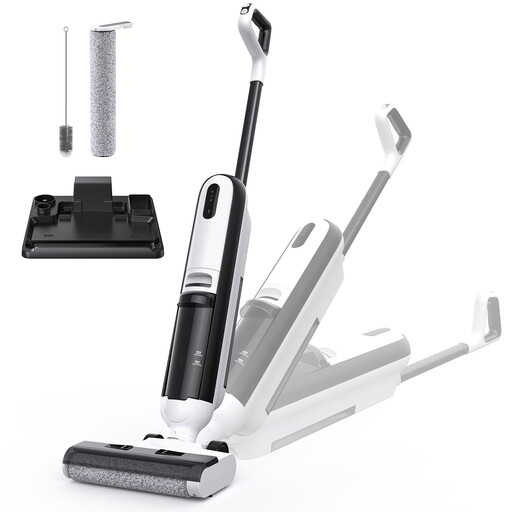
Why it suits this profile: A cordless model for everyday use on hard floors, without the need to move a large machine around.
The specifications list separate clean- and dirty-water tanks along with a self-cleaning function. This makes its capabilities clearer than those of a conventional dry stick vacuum cleaner.
Rated suction power of 16,000 Pa, 30 minutes of operating time and a weight of 4 kg.
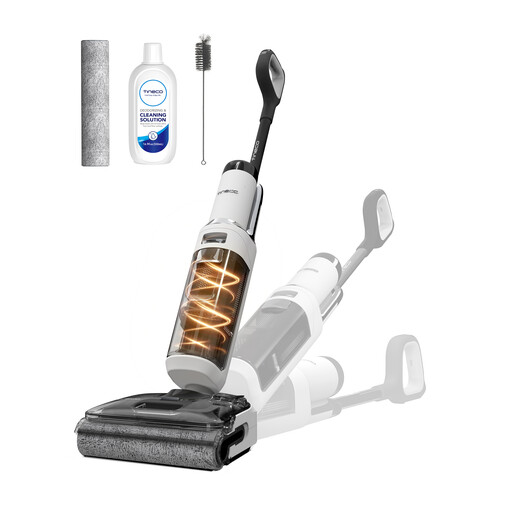
Why it suits this profile: Designed for households with hard floors and furniture that you want to clean underneath as well.
The product information explicitly names hard floors as the recommended surface. This helps prevent you from buying a floor cleaner for tasks it is not designed to perform.
180° flat design, three-sided edge cleaning, self-cleaning and a stated operating time of 40 minutes.
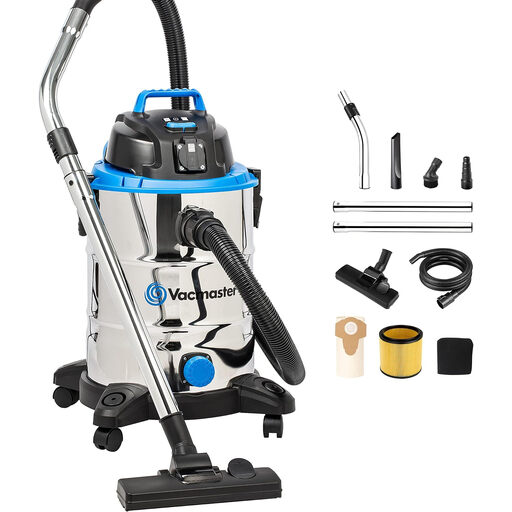
Why it suits this profile: Suitable for garages, workshops, cars and larger cleaning jobs where a mains cable and large tank are practical.
The functions and filters for wet and dry use are described separately. This means the machine does not rely on one universal filter for every application.
1500 W motor, 30-litre stainless-steel tank, blowing function and an integrated EU socket for power tools.
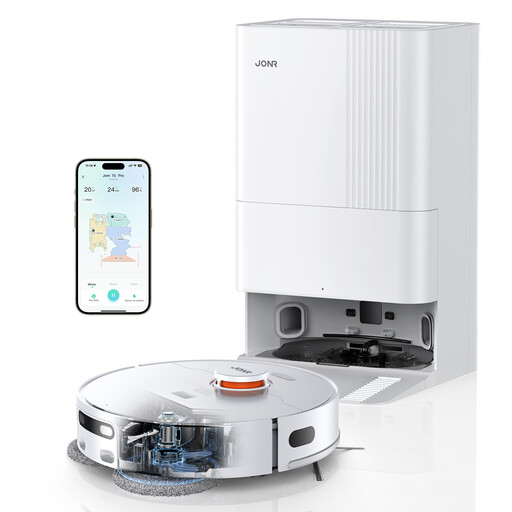
Why it suits this profile: For anyone who wants dust, hair and light stains dealt with every day without having to vacuum themselves each time.
The manufacturer states that the robot only mops with a damp pad and must not pick up standing water. This makes its usage limits clear before purchase.
Rated suction power of 8150 Pa, LiDAR navigation, anti-tangle side brush and a base station with hot-air drying.
We have put together a complete, up-to-date list of products that fully meet these strict selection criteria and the applicable European safety regulations.
That depends on the model. A standard wet and dry vacuum cleaner can suck up liquids, but it does not always have a spray-and-extraction function for carpets. Choose a carpet cleaner or a vacuum cleaner with a washing function if you want to apply cleaning solution and extract dirty water from the fibres. Always check the included nozzle and filter.
In addition to the purchase price, you pay for electricity, cleaning solution and replacement parts such as filters, rollers and batteries. Energy consumption depends on the power rating, charging frequency and operating time. A larger tank can reduce the number of interruptions, but it also requires more cleaning after use.
Its lifespan mainly depends on maintenance and usage. Empty the dirty-water tank after every wet-cleaning session, rinse the brush and allow the filters to dry completely. Use the correct filter for the selected mode, and do not vacuum flammable liquids, hot ash or sharp objects. This helps prevent unnecessary strain on the motor, hoses and battery.
