
Vandaag of morgen in huis

Kwaliteit gegarandeerd

Welkomstaanbiedingen ontgrendelen: GRATIS bezorging | Tot 80% korting | Gratis 30 dagen JoyPlus-proefperiode
Download de app
A device that vacuums and mops simultaneously sounds like the perfect solution for a busy household. The promise is less cleaning time and a cleaner home. Yet, many people end up with an expensive purchase that lands in a closet after a few months. Marketing claims can be misleading, and not all models are equally practical.
As a Joybuy Product Recommendation Officer, I'm here to help you cut through the noise. Let's discuss the most common pitfalls and what you should look for when choosing a wet and dry vacuum.
Before you invest in an all-in-one vacuum and mop, it's important to be aware of some common design flaws that can seriously spoil the user experience.
mop vacuum works with water. If the dirty water tank or the brush roll doesn't dry properly after use, it becomes a breeding ground for bacteria. This quickly leads to a musty, unpleasant smell that returns with every cleaning session.To avoid the problems above, you can focus on a few concrete specifications. These determine whether a hard floor cleaner lives up to its promise.
A fundamental requirement for a good wet and dry vacuum is a system with two separate tanks: one for clean water (and possibly cleaning solution) and one for the vacuumed dirty water. This ensures you are always mopping the floor with clean water instead of spreading dirty water around. Check the capacity of both tanks (expressed in litres or ml). Larger tanks mean less frequent refilling and emptying when cleaning a large area.
A self-cleaning vacuum is not a luxury; it's a necessity. This feature, usually activated when the device is on its charging dock, flushes the brush roll and internal pipes with clean water. Some advanced models even use hot air to dry the brush. This prevents the build-up of mould and bad odours and ensures the device is ready for its next use.
For households with pets, a brush designed to prevent pet hair from tangling is essential. Look for terms like "anti-tangle" or "zero-tangle." For a streak-free result along walls, an "edge-to-edge" or "edge cleaning" brush design is a must. With a cordless wet and dry vacuum, battery life is crucial. A runtime of 30-40 minutes is typically sufficient for an average home. Pay attention to the balance between suction power and battery life; a turbo mode consumes significantly more power.
Below are some models that, based on their specifications, align well with specific needs and help avoid the pitfalls mentioned earlier.
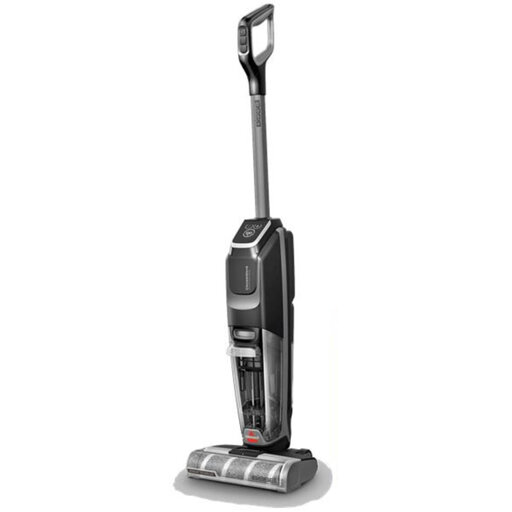
Why This Fits Their Persona: This model is specifically designed for the challenges of a household with pets. It can handle both wet and dry messes and has separate modes for vacuuming only or mopping simultaneously, offering flexibility for daily messes and deep cleans.
The ZeroGap technology tackles the "forgotten edges" trap by allowing the brush to clean right up to the baseboard. The tangle-free brush is designed to effectively pick up pet hair without getting clogged.
Separate Power Mop & Power Vac modes for targeted cleaning. Includes a self-cleaning cycle and an antimicrobial filter to combat odours.
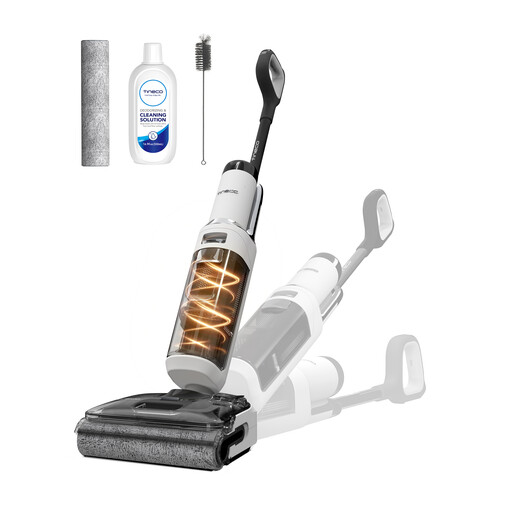
Why This Fits Their Persona: In apartments with limited space and lots of furniture, manoeuvrability is crucial. This model is designed to lay completely flat, allowing it to easily clean under sofas, beds, and cabinets.
The 180° lay-flat design solves the problem of unreachable spots, a common flaw in bulkier models. Its three-sided edge cleaning also effectively tackles dirty edges along baseboards.
Reaches spaces with a clearance of just 13 cm. The FlashDry self-cleaning with hot water and drying prevents the "odour generator" trap.
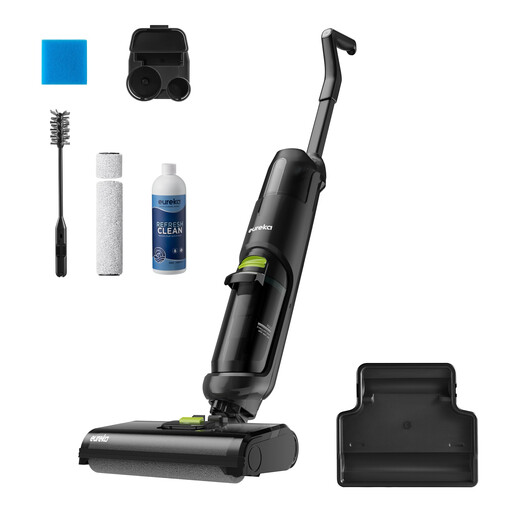
Why This Fits Their Persona: For those who want to experience the benefits of a 2-in-1 cleaner without paying a premium. This model offers the essential features for effectively cleaning hard floors and tackles both wet and dry messes.
The dual-tank system ensures you always clean with fresh water. The hands-free self-cleaning function automatically flushes the brush roll, significantly reducing the chance of bad odours.
The self-propulsion feature makes the device easy to manoeuvre. It offers the core functionality of more expensive models at a more accessible price point.
A wet and dry vacuum is a specific solution. If your focus is primarily on dry messes, we have compiled a complete list of products that meet strict selection criteria and safety regulations.
Here are some answers to common questions about wet and dry vacuums.
For most daily and weekly cleaning tasks, yes. A good stick vacuum with a mopping function cleans more hygienically than a traditional mop because it continuously uses clean water and immediately vacuums up the dirty water. For very stubborn, caked-on stains, you might still need to do some extra scrubbing locally, but for 95% of the work, it's a complete and faster replacement.
The self-cleaning function does most of the work. However, it's good practice to empty and rinse the dirty water tank after every cleaning session. Check the brush roll weekly for any remaining hair or debris. The filters (usually a foam filter and/or HEPA filter) should be rinsed monthly, depending on the model and usage, and allowed to air dry completely before being reinserted.
Most modern wet and dry vacuums are designed for use on sealed hard floors, including parquet, laminate, vinyl, and tile. They use a limited amount of water that is mostly vacuumed up immediately, leaving the floor only slightly damp and allowing it to dry quickly. Always check the manufacturer's specifications. Use on untreated or oiled wood is generally not recommended.
