
Vandaag of morgen in huis

Kwaliteit gegarandeerd

Welkomstaanbiedingen ontgrendelen: GRATIS bezorging | Tot 80% korting | Gratis 30 dagen JoyPlus-proefperiode
Download de app
A wet and dry vacuum cleaner can do more than just pick up dust and crumbs. Depending on the model, it can also remove spills, mop hard floors, clean carpets or help with DIY jobs in the garage. This versatility is exactly what makes it hard to compare models. A compact cordless floor cleaner is handy for everyday use, but it’s not necessarily suitable for a workshop. A large wet and dry vacuum can handle plenty of liquid, but it’s less convenient for a quick clean.
In this guide, you’ll find out what to look for, which marketing claims to treat with caution and what type of appliance suits your needs.
Manufacturers sometimes quote a high figure in Pa or kPa. This tells you something about the maximum suction pressure under certain conditions, but it doesn’t tell you everything about how well the vacuum will clean your floors. The brush, airflow, filter, floor head and collection tank all play a part too.
So look at the combination of:
A wet vacuum for the garage also needs different features from a floor cleaner with a mop function for the kitchen.
A cordless floor cleaner is usually designed for hard, water-resistant floors. The brush applies water and the vacuum sucks up the dirty water. That’s different from a carpet cleaner or upholstery cleaner, which can work cleaning solution deeper into fabric before extracting the moisture from the fibres.
Before you buy, check whether the model is suitable for:
Don’t use a wet appliance on untreated wood or surfaces that are sensitive to water.
A self-cleaning vacuum makes maintenance easier, but a self-cleaning programme doesn’t always replace emptying the dirty water tank. Any moisture left behind can cause unpleasant smells. With a conventional wet and dry vacuum cleaner, you may also need to fit the correct filter when switching between dry and wet use.
Also check whether replacement filters, brushes, dust bags and cleaning solution are available. A low-cost purchase may prove less appealing if essential parts are hard to find.
Pa or kPa is often used to indicate suction pressure, while watts indicate the motor’s electrical power. These figures aren’t directly comparable across different brands. Use them as a guide, not as the whole picture.
For everyday dirt on hard floors, a good floor head and a brush that doesn’t easily trap hair are important. For sawdust, grit and liquids in a garage, a generous tank, a reliable filtration system and a drainage option matter most.
For a wet and dry vacuum with separate tanks, the capacity of the clean and dirty water tanks matters. Smaller tanks are lightweight and suit quick cleaning jobs. Larger tanks mean fewer interruptions when cleaning bigger homes, carpets or workshops.
For cordless models, check the:
The stated runtime usually depends on the setting and the type of surface.
For dry dirt, the filter must be fitted correctly and completely dry. Wet vacuuming may require a special foam filter. Don’t vacuum hot ash, flammable liquids, sharp objects or hazardous materials unless the manual explicitly says it’s safe to do so.
Also look for:
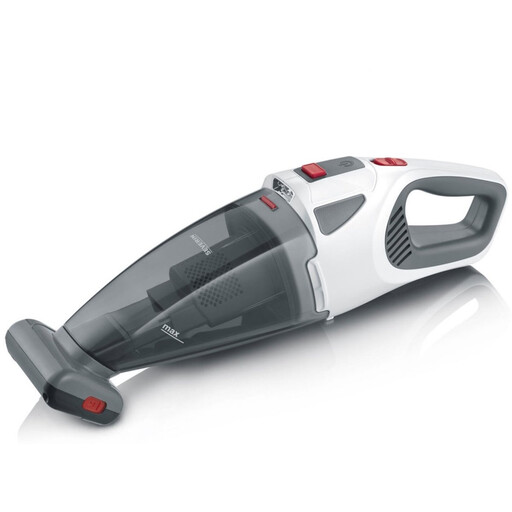
Why it suits this type of user: This compact model is designed for quick clean-ups at home and in the car. Its cordless design and 4-in-1 accessories are handy for crumbs, pet hair and small liquid spills.
The product specifications list a separate wet and dry function and a maximum runtime of 30 minutes. This makes it clearer what the appliance is designed for: small everyday jobs, not cleaning large areas for long periods.
18.5 V lithium-ion battery, rotating turbo brush, LED lighting and wall mount with charger.
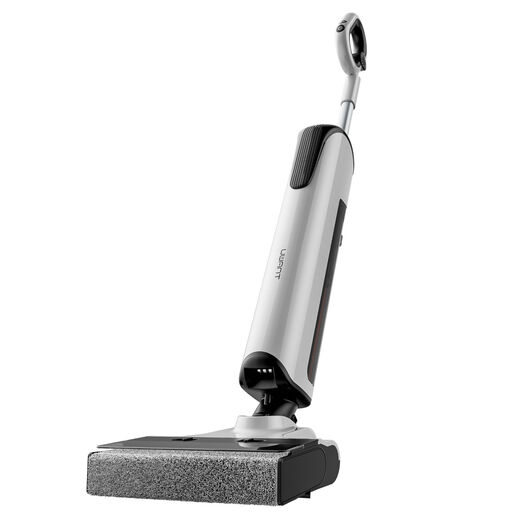
Why it suits this type of user: For households with children or pets, this model offers features for everyday floor cleaning, including a 180° tilting design and edge cleaning, according to the product specifications.
As well as stating a suction power of 20,000 Pa, the product information lists three water settings, a push-in base station, and automatic brush cleaning and drying. Do check which floors are water-resistant.
20,000 Pa according to the product listing, 45 minutes of runtime, 180° recline and edge cleaning to within 2 mm.
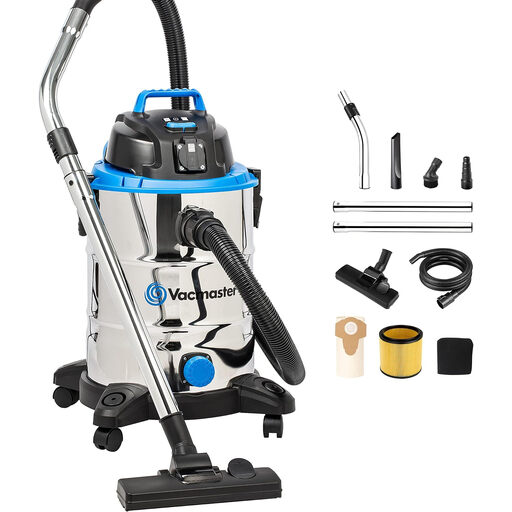
Why it suits this type of user: This model is a good fit for DIY enthusiasts who want to extract dust while drilling or grinding, and also need to handle liquids, dry dirt or workshop waste.
Its intended use is clearly defined: a 30-litre stainless steel tank, separate filters for wet and dry use, a drain plug and an integrated 240 V socket for power tools.
1,500 W motor, 30-litre tank, blow function, floor head for carpets and hard floors.

Why it suits this type of user: This compact spot cleaner is designed for carpets, sofas, stairs, car seats and other fabric surfaces. The long hose makes it easier to reach awkward spots.
The two removable tanks keep clean and dirty water separate. This makes its intended use clearer than that of a general-purpose wet vacuum that isn’t specifically designed for fabrics.
500 W motor, 1.8-metre hose, dual tank and Spot & Pet cleaning solution included.
We’ve put together a complete, up-to-date list of products that meet these strict selection criteria and comply with current European safety regulations.
It depends on the type of laminate and the manufacturer’s instructions. Only use a model that’s suitable for hard, water-resistant floors. Use a low water setting, avoid leaving water standing and check that the floor dries quickly after cleaning.
Its lifespan depends on how often you use it, how well you maintain the filter, whether you empty the tanks promptly and whether replacement parts are available. Empty the dirty water tank after use, rinse any suitable parts and let the filters dry completely. Always follow the maintenance instructions in the manual.
A cordless model draws power from its battery while cleaning and uses additional energy when charging. Overall consumption depends on the battery capacity, runtime and setting you choose. A model with a long charging time may be less practical if you clean several times a day.
