
Vandaag of morgen in huis

Kwaliteit gegarandeerd
Download de app
Categorieën

A wet-dry vacuum promises the ultimate in household efficiency: vacuuming and mopping at the same time. The concept is appealing, but the market is filled with models, each claiming unique features. The wrong choice can lead to frustration: a device that's too heavy, leaves streaks, or has a battery that dies halfway through the living room.
This guide is designed to help you make an informed choice. We focus on technical specifications and practical features, so you can find a model that suits your home and lifestyle, without being swayed by marketing promises.
Before we look at specific models, it's important to understand the key parameters. These criteria will help you compare objectively.
A cordless wet-dry vacuum offers freedom of movement, but its battery life is a decisive factor. Look not only at the runtime in minutes but also at the estimated cleaning area (in m²). A runtime of 20-25 minutes is typically sufficient for an apartment or a smaller single-family home (up to approx. 80 m²). If you have a larger house, a model with a battery life of 30 minutes or more is a better consideration.
A quality wet and dry vacuum always works with two separate tanks: one for clean water (with optional cleaning solution) and one for the vacuumed dirty water. This system guarantees you always mop with clean water, unlike a traditional mop and bucket. The capacity of these tanks (usually between 0.4 L and 0.8 L) determines how often you need to empty or refill them.
A self-cleaning wet-dry vacuum saves a lot of maintenance. After use, you place the device on its base station, and with the push of a button, the system flushes the brush roll and internal pipes. This prevents unpleasant odours and ensures the device is hygienic and ready for the next cleaning session.
Most wet-dry vacuums are designed as hard floor cleaners. This includes sealed floors like laminate, PVC, vinyl, tile, and treated parquet. Do not use them on untreated wood, oiled floors, or carpet. For households with pets, a wet-dry vacuum for pet hair with a powerful suction head and a brush that doesn't clog easily is a must.
Based on the criteria above, we have made a selection of models that serve different needs and situations.
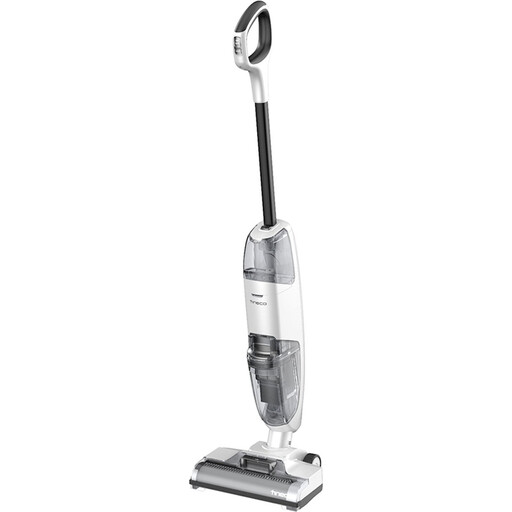
Why We Chose It The TINECO IFLOOR 2 Plus is a compact and lightweight 2-in-1 stick vacuum and mop. The device is designed for ease of use and efficiency in small to medium-sized living spaces. With a battery life of up to 22 minutes and a cleaning area of approx. 80 m², it's a practical choice for daily cleaning.
Pros
Who It's For This model is ideal for residents of apartments or homes up to 80 m². It's a solid entry-level model for those looking to switch from traditional mopping to a combined solution.
Check out the TINECO IFLOOR 2 Plus
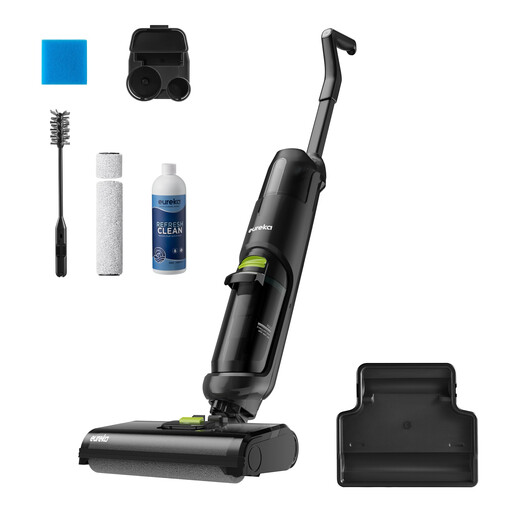
Why We Chose It The Eureka NEW400 stands out with its self-propelled function, which makes cleaning less physically demanding. The device assists with forward motion, allowing you to guide it across the floor with minimal effort. The battery life of up to 30 minutes makes it suitable for slightly larger areas.
Pros
Who It's For Users who value comfort and a smooth cleaning experience. The self-propulsion and longer battery life make it a great choice for medium-sized homes and for people who want to limit physical exertion.
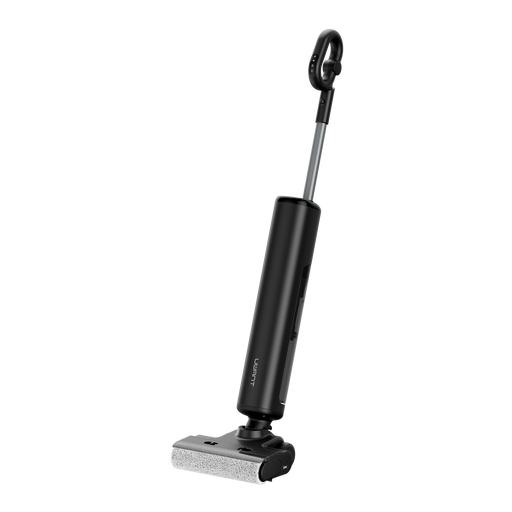
Why We Chose It The UWANT D600 is a technologically advanced model with a focus on thoroughness. The combination of high suction power at 23,000 Pa, a 180° lay-flat design, and edge-to-edge cleaning makes it a powerful machine. The addition of hot air drying after the self-cleaning cycle is a distinctive hygienic feature.
Pros
Who It's For For households that demand the most thorough cleaning and are willing to invest in advanced features. Ideal for homes with lots of furniture, tricky corners, and for users who prioritise maximum hygiene.
The world of floor cleaners is vast, and technology is evolving rapidly. Perhaps you're looking for a model with an even larger water tank, a specific brush for delicate floors, or a different budget suits your needs better. Every living situation is unique and requires its own solution.
For a broader overview of models with different specifications and price ranges, you can browse our full collection.
️ Explore our full range of floor vacuums
1. Can a wet-dry vacuum completely replace a regular vacuum cleaner? For households with only hard floors, a wet-dry vacuum can often replace the traditional vacuum for daily cleaning. However, if you also have carpets or rugs, a separate stick or canister vacuum remains necessary, as wet-dry vacuums are not suitable for soft surfaces.
2. How do I maintain a wet-dry vacuum for a long lifespan? The most important maintenance is to immediately empty and rinse the dirty water tank after each use to prevent odours. Also, consistently use the self-cleaning function. Periodically check the filters and brush roll for trapped dirt or hair and replace them according to the manufacturer's instructions.
3. Do wet-dry vacuums leave streaks on the floor? Modern wet-dry vacuums are designed to efficiently recover water, which minimises the chance of streaks. Streaks can be caused by using too much cleaning solution, a dirty brush roll, or a dirty water tank that hasn't been emptied. Use the recommended amount of cleaning solution and ensure the device is clean before you start.