
Vandaag of morgen in huis

Kwaliteit gegarandeerd

Welkomstaanbiedingen ontgrendelen: GRATIS bezorging | Tot 80% korting | Gratis 30 dagen JoyPlus-proefperiode
Download de app
A wet and dry vacuum cleaner combines vacuuming and mopping in one appliance. This is useful for crumbs, mud, pet hair and spilt liquids on hard floors. However, not every model is suitable for every home. For example, a high suction power figure on the packaging says little about battery life, maintenance or how much water is left behind on the floor.
Use this buying guide to compare the most important features and avoid common purchasing mistakes.
Manufacturers often list a figure in Pa, such as 16,000, 20,000 or 23,000 Pa. This is a technical indication of suction power, but it does not fully predict cleaning performance. The brush, water flow, airflow and floor surface also play a part.
For everyday use on tiles, laminate or sealed wood, a well-balanced combination of suction power and water control is more important than one high number. Also check whether there are different cleaning modes for dry dirt, everyday mess and stubborn stains.
A self-cleaning vacuum cleaner usually rinses the brush roller and internal pipes. Some models then dry the brush with warm air. This reduces the amount of manual cleaning required, but the dirty-water tank, filters and brush still need to be emptied or checked regularly.
Do not leave dirty water in the appliance for extended periods. This can cause unpleasant odours and may reduce the lifespan of its components. So do not just look for the words “self-cleaning”; also check how the appliance dries itself and how accessible the filters and tanks are.
A wide brush can sometimes leave a strip of dirt along the skirting board. Check the stated edge-cleaning distance, for example 2 mm or less than 0.5 cm. For homes with lots of furniture, a 180° lie-flat design is useful. It allows you to clean under sofas and beds, provided there is enough clearance underneath the furniture.
A hard-floor cleaner must be able to handle both dry dirt and moisture without leaving streaks behind. Separate clean-water and dirty-water tanks prevent the same water from being spread across the floor again. Check the tank capacity if you have a large household; smaller tanks mean more frequent refilling and emptying.
A wet and dry vacuum cleaner is generally designed for water and ordinary household dirt. Do not use the appliance for flammable liquids, hot ash, sharp objects, building dust or chemical substances unless the instructions expressly allow it.
A cordless wet and dry vacuum cleaner gives you greater freedom of movement, but the operating time varies depending on the mode. The maximum battery life is often measured in an energy-saving setting. Turbo or intensive cleaning can reduce the run time.
Compare the following:
For an apartment, 25 to 30 minutes may be enough. In a large house or a home with several pets, a model offering around 40 to 50 minutes is more practical.
A stick vacuum cleaner with a mopping function should not only be powerful but also easy and comfortable to manoeuvre. A weight of around 4 to 4.5 kg may be manageable for many users, while a larger professional corded model is clearly heavier.
Also look for:
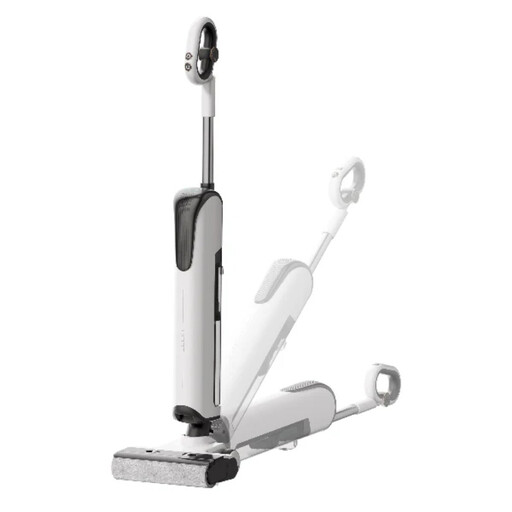
Why it suits this profile: This model offers three modes and three water levels, allowing beginners to start with a simple setting and adjust the level of control over time.
The stated 17,000 Pa suction power is complemented by adjustable water flow and a dry mode. This means you do not have to use the same amount of water on every floor.
180° lie-flat design, edge cleaning at 2–4 mm, up to 35 minutes of operating time, and a charging and cleaning station.
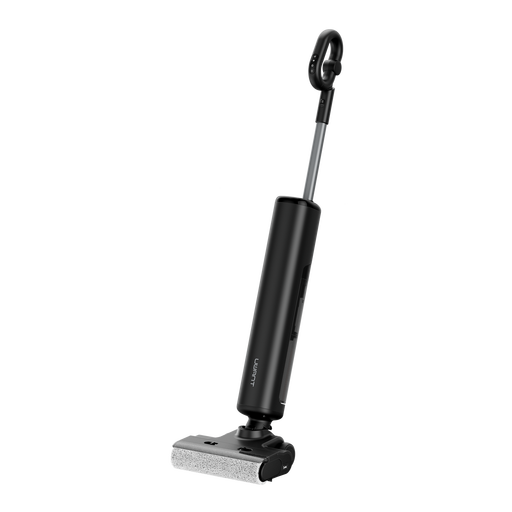
Why it suits this profile: Ideal for anyone who places a high value on edge cleaning, ease of use and automatic maintenance on hard floors.
The 23,000 Pa figure is not the whole story: the model also features three water levels, double-sided edge cleaning and a self-cleaning and warm-air drying system.
180° lie-flat design, stated suction power of 23,000 Pa, and a push-in base station with 100°C hot water and warm air according to the product description.
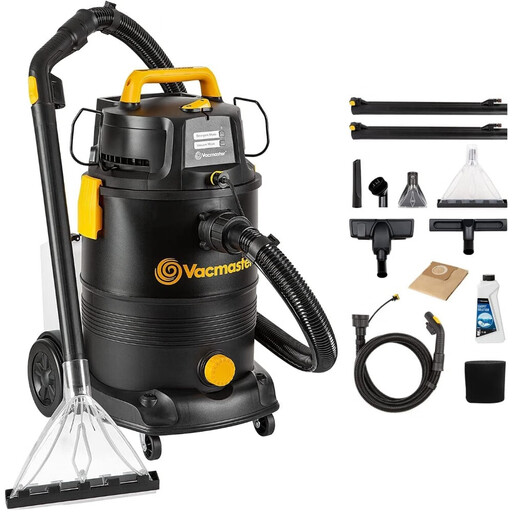
Why it suits this profile: Combining wet cleaning, dry vacuuming and carpet cleaning, this model is suited to larger cleaning jobs, car interiors and upholstery.
Rather than offering only a cordless mopping function, this corded model has separate filters and accessories for wet vacuuming, dry vacuuming and shampoo cleaning.
1300 W motor, 30-litre collection tank, 6-litre cleaning-solution tank and HEPA exhaust filter according to the product specifications.
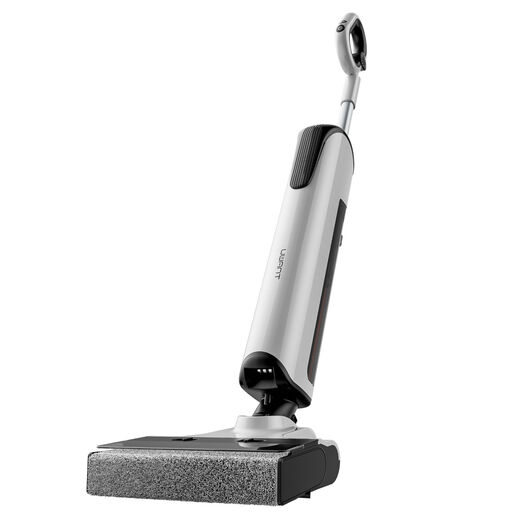
Why it suits this profile: The combination of dry and wet cleaning, automatic dirt detection and a stated operating time of 45 minutes is well suited to busy families with pets.
According to the product information, the D-shaped triple brush is designed for corners and edges. The base also runs an automatic cleaning and drying cycle.
Stated suction power of 20,000 Pa, edge cleaning down to 2 mm, 180° recline function and a maximum run time of 45 minutes according to the product description.
An electric mop with a suction function is primarily designed for hard floors. For deep-pile carpet, untreated wood or other water-sensitive surfaces, a traditional vacuum cleaner or a suitable specialist cleaner is often more appropriate.
We have put together a complete, up-to-date list of products that fully meet these strict selection criteria and the applicable European safety regulations.
That depends on your floors and cleaning tasks. For hard floors and spilt liquids, a vacuum cleaner and mop in one can save you a lot of work. For carpets, furniture, stairs and hard-to-reach areas, you may still need a separate vacuum cleaner or additional accessories.
Its lifespan depends on usage, battery condition and maintenance. Empty the tanks after use, keep the filters free from dirt and allow the brush to dry thoroughly. Before buying, check whether replacement brushes, filters and cleaning fluid are available. The stated battery life is a maximum figure; intensive modes generally use more energy.
In addition to the purchase price, you should allow for electricity, cleaning solution and replacement parts. A model with larger tanks may be more efficient in a large house, while a more economical appliance may be sufficient for an apartment. So do not compare the price alone; also consider tank capacity, charging time, maintenance and the accessories included.
