
Vandaag of morgen in huis

Kwaliteit gegarandeerd

Welkomstaanbiedingen ontgrendelen: GRATIS bezorging | Tot 80% korting | Gratis 30 dagen JoyPlus-proefperiode
Download de app
A bowl of wet dog food may seem simple to choose: chicken, beef, pâté or a multipack. Yet dog owners regularly pay for a product that is not suitable for their dog’s age, size or nutritional needs. Attractive packaging does not always tell the whole story.
The most common pitfalls are:
For everyday use, look for a statement such as complete pet food or complete wet dog food. This means that the product is intended to be given as a complete food in accordance with the feeding guidelines on the packaging.
Not every tin of dog food is automatically a complete meal. Some products are complementary food, snacks or toppings. So first check:
An adult dog has different nutritional needs from a puppy or senior dog. Products for adult dog food are therefore not automatically suitable for every age.
The order of the ingredients provides a useful initial indication. A recipe with beef may contain beef, liver, meat and animal derivatives, but it may also contain cereals, vegetable derivatives and vegetable protein extracts.
You can see this difference with CESAR Classic, for example. The product information states that the chicken variety contains 60% meat and animal derivatives, of which 4% is chicken. For the beef variety, 4% beef is specified within that proportion. This is more informative than simply relying on the flavour name on the front.
If you deliberately choose chicken dog food or beef dog food, it is worth checking:
A soft pâté is easy to eat, but its texture says nothing about its complete nutritional value. Always compare the composition and analytical information.
A 150 g cup or meal is convenient when your dog is given small portions. A 300 or 400 g tin is better suited to larger dogs or households with several animals. A 1.24 kg pouch can be practical if used regularly, but once opened it will need to be properly sealed and refrigerated.
Serving tips that apply to many products:
This helps you avoid buying a large pack that does not match your dog’s daily consumption.
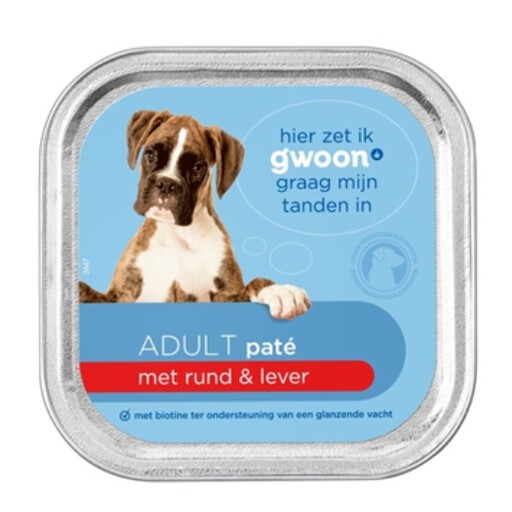
Why it suits this profile: The 150 g cup is easy to manage for small portions and makes a practical introduction to wet food. Its pâté-style texture is convenient to serve.
The product description lists beef and liver among the ingredients and states that it contains no artificial colourings, flavourings or preservatives. Check the current label for complete information.
150 g per cup; beef and liver listed as ingredients; suitable for adult dogs according to the product information.
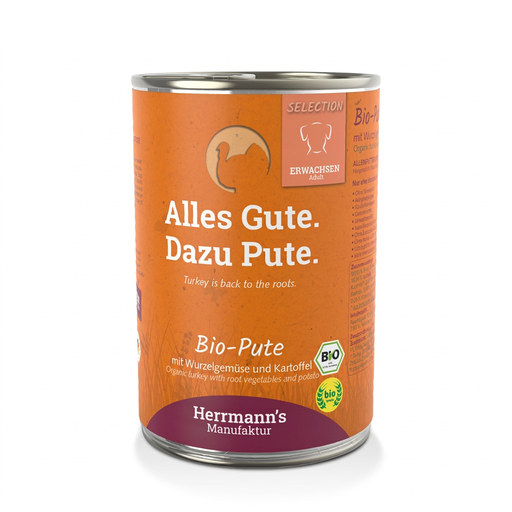
Why it suits this profile: This recipe is intended for owners who value organic ingredients and a clearly defined composition featuring turkey and vegetables.
The composition specifies, among other ingredients, 50% turkey, 18.95% cooking stock and individual vegetable ingredients. The organic claim refers to the product information provided; check the certification mark and label when purchasing.
400 g pack; 50% turkey in the stated composition; analytical values provided.
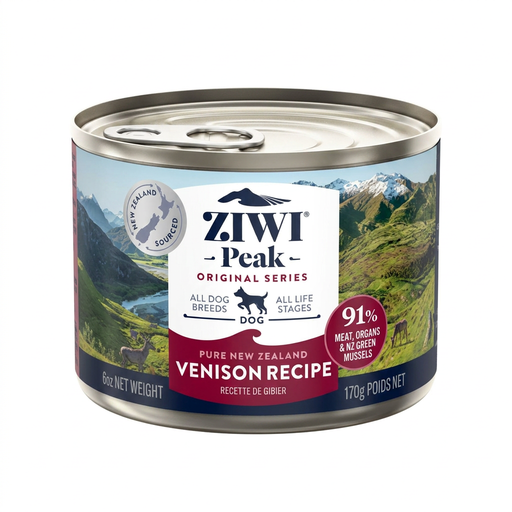
Why it suits this profile: This variety uses venison as its primary animal protein source and is grain-free according to the product information. It may appeal to owners looking for a recipe with one named protein source.
The composition lists venison meat, organs and bones separately and states that venison meat, organs and bones make up 92% of the recipe. For a sensitive diet, always check all ingredients and consult a vet if your dog experiences symptoms.
170 g tin; grain-free recipe according to the product description; stated values of at least 10% protein and at least 4% fat.
For a dog that mainly needs a soft texture, dog pâté can be a good choice. Pâté is also easy to mix with dry food. However, make sure that it is complete food if you are serving it daily as the main meal.
For dogs with sensitive digestion, changing food gradually is more important than eye-catching packaging. Choose a recipe with clearly listed ingredients and monitor your dog’s portion size and reaction throughout the transition. Products described as food for sensitive dogs or hypoallergenic dog food should not be viewed as a medical solution. If symptoms keep returning, it is sensible to seek advice from a vet.
A recipe with chicken or beef is often easy to find. If you specifically want organic dog food, check that its organic origin is genuinely supported on the label and by an appropriate certification mark. With grain-free dog food, check which ingredients have been used instead.
We have put together a complete, up-to-date list of products that fully meet these strict selection criteria and the applicable European safety regulations.
It can be, provided the packaging states that it is complete pet food for the appropriate life stage. Follow the feeding guideline, but adjust the quantity according to your dog’s weight, activity level and any combination with dry food.
For the products mentioned, the usual advice is to store them covered in the fridge and use them within a maximum of 48 hours. Always check the label. Do not leave food at room temperature for extended periods.
The price per pack tells you very little. Compare the price per 100 g and calculate how much your dog needs each day. Small cups can be convenient for small portions, while larger packs may work out cheaper per gram for larger dogs or households with several animals.
